
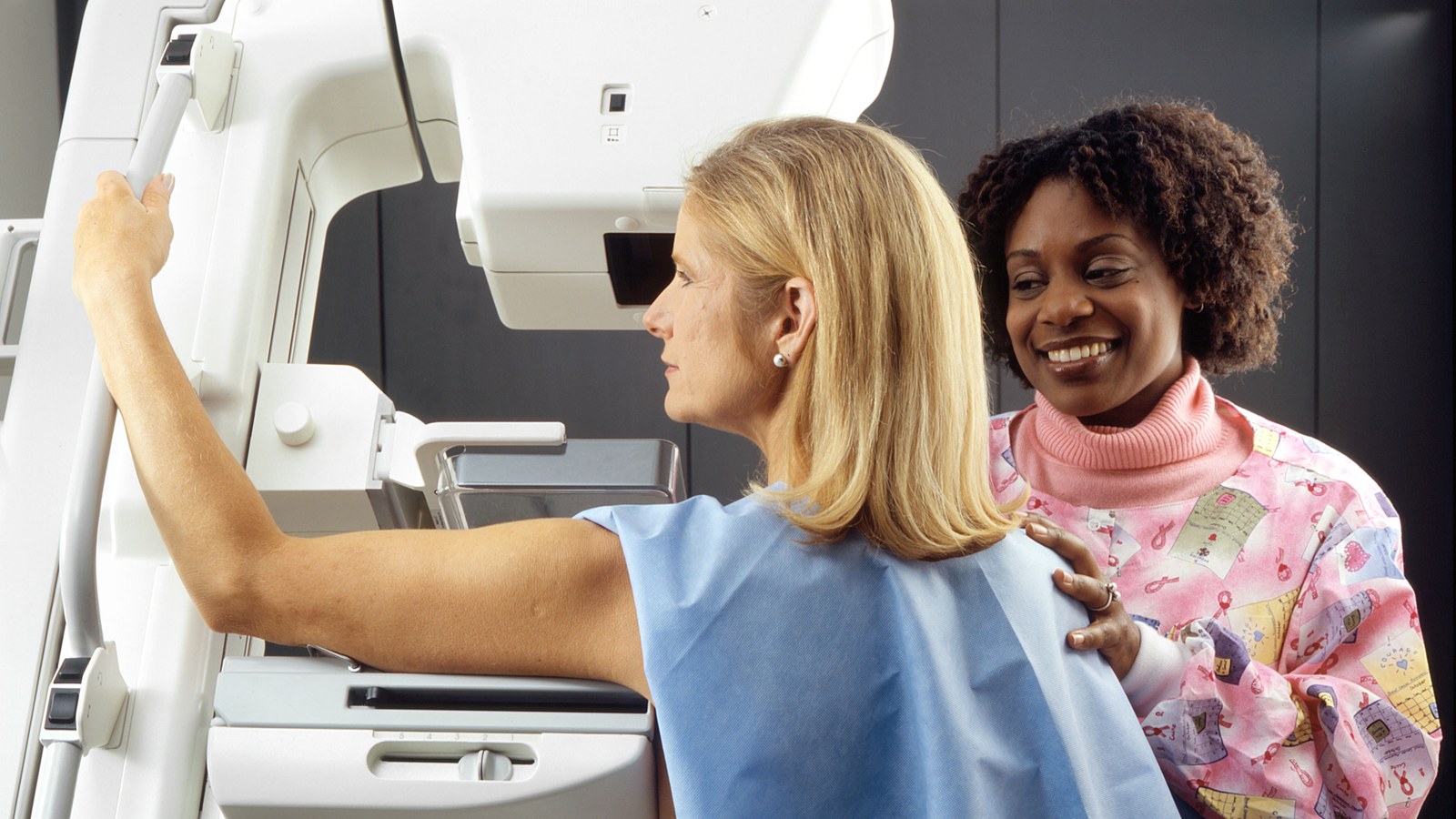
Britain's National Health Service has started testing artificial intelligence on breast screening mammograms. The trial, called EDITH, will invite nearly 700,000 women over three years. It opened at Addenbrooke's Hospital in Cambridge, the first of 30 planned sites across the UK, according to the University of Warwick, which runs it with the University of Cambridge and NHS England.
The question is whether AI can let one specialist read many of the mammograms that two specialists read today, without missing more cancers. The appointment itself does not change, and any woman who does not want AI to see her images can say so when booking. Two specialists then read them, as usual.
How mammograms are read now, and where AI fits
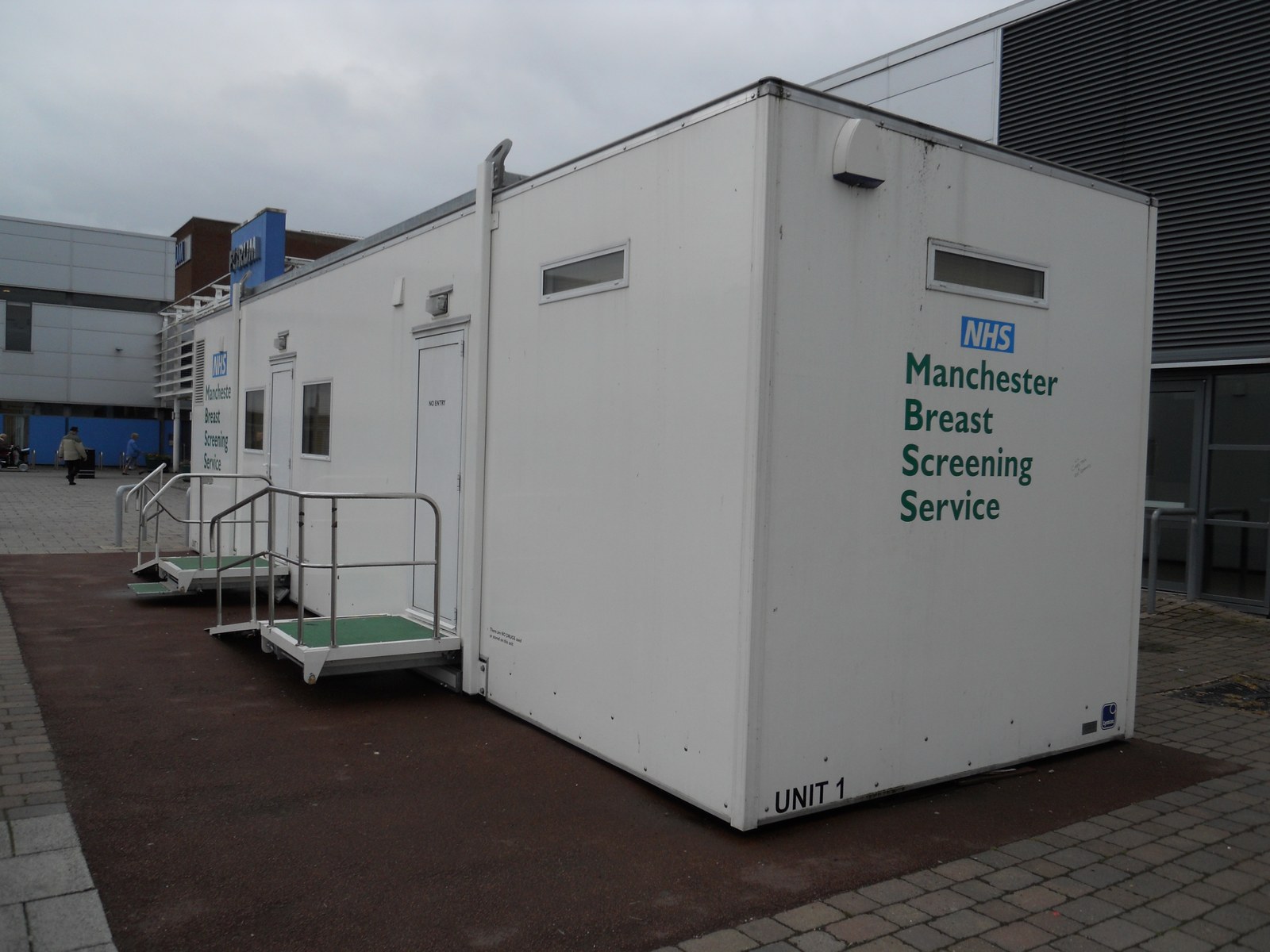
The UK program invites women aged 50 to 71 every three years. Two specialists review each mammogram independently, and if they disagree, an arbitration step decides whether the woman is called back for more tests. Double reading catches more tumors, but it uses a lot of expert time, because fewer than 1% of images show signs of cancer.
EDITH is testing four AI systems whose makers have not been named. Software like this learns from thousands of mammograms with known outcomes until it recognizes the image patterns that tend to come with a tumor. It is the same idea behind tools that predict disease from medical records, which Alfonso Valencia discussed with us. Given a new mammogram, the AI returns a risk score and highlights the suspicious areas.
Women are randomly assigned to one of three groups, according to the trial's information for participants:
- No AI. Two specialists, as now. - AI after. A specialist reads the mammogram, then the AI flags possible cancers the reader may have missed. - AI first. The AI labels each mammogram high or low risk. One specialist checks the low-risk ones, two check the high-risk ones.
In every group at least one person looks at every image, and NHS staff make all clinical decisions.
What the trial will measure, and what could go wrong
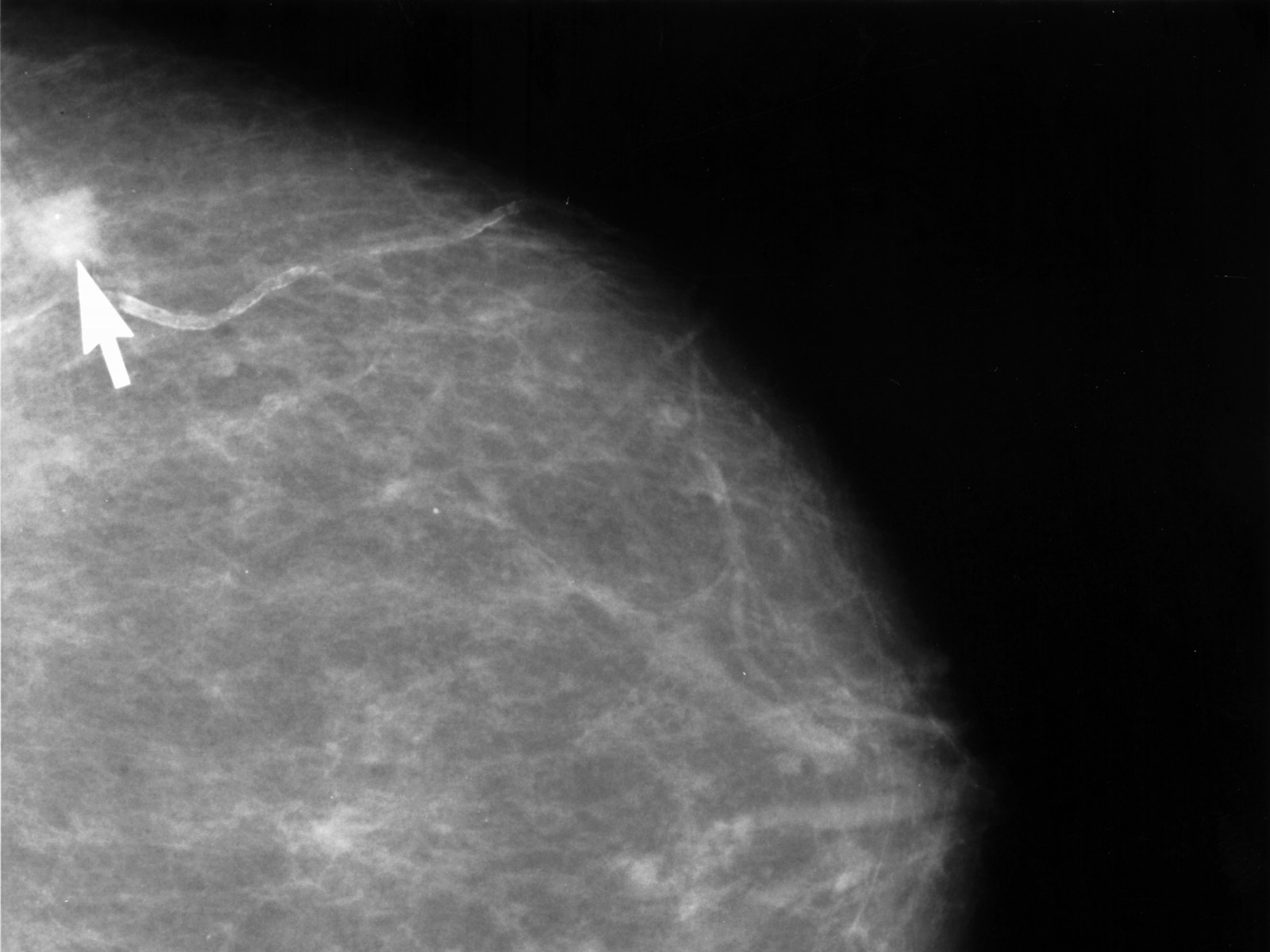
Researchers will count how many cancers are found and of what type, how many women are called back, and how much time and money is saved. Those counts track the two mistakes any screening program can make, the same two a smoke alarm can make. A false positive is the alarm that goes off when you burn toast. In screening, it is a woman without cancer who gets called back, with the worry and sometimes the biopsy that follows. A false negative is the alarm that stays quiet during a real fire. In screening, it is a missed tumor, which may surface later as an interval cancer, one diagnosed between two screening rounds. An overcautious AI would push up the first number, while one that labeled a real tumor low risk would push up the second.
Results will take years. Each of the 660,000 planned participants will be followed for four more years after her screening, according to the summary approved by the UK's Health Research Authority, and the NHS says it will only change screening if the new approach proves at least as safe and effective.
What Sweden already found
The strongest evidence so far comes from Sweden's MASAI trial, which randomly split 105,934 women between traditional double reading and a workflow where AI decided whether one radiologist was enough and marked suspicious findings. An early analysis in The Lancet Oncology in 2023 found it cut the reading workload by 44%.
Final results, published in The Lancet02464-X/fulltext) in January 2026, followed the women for two years. AI-supported screening caught 80.5% of the cancers that appeared in that time, against 73.8% without it, and it raised no extra false alarms, since both groups called back about 15 of every 1,000 women who did not have cancer. Interval cancers fell from 1.76 to 1.55 per 1,000 women, a gap the study does not treat as proven.
EDITH will test whether that holds with four different systems at 30 sites, a very different scale from early medical AI trials with a handful of patients, such as Paradromics' brain implant study.
How screening works in the US
The US has no national screening service like the NHS. The U.S. Preventive Services Task Force recommends a mammogram every two years for women aged 40 to 74, guidance it finalized in April 2024.
The conversation starts here
Sign in with a supporter account to comment. Sign in
Nobody has commented yet. Want to go first?