

Meta’s Muse Wonder family adds two models for agents that work with tools and applications. Wonder launched on October 12 through the Meta Model API and Muse Code. Muse Wonder Full is available to Muse Code subscribers. Wonder’s rollout to the Muse app is planned separately, starting with subscribers.
The announcement arrives alongside Gemini 4 Argon’s expanded availability. In both launches, the model and the product around it need separate consideration. API access for developers does not establish that every announced capability is already available in a consumer chat.
Memory and the ability to keep working
Active Memory is Meta’s name for retrieving relevant details from earlier conversations. Active Focus describes an agent trying alternative approaches and recovering when a task becomes difficult. These are Meta’s stated capabilities, rather than results from our own testing.
Meta’s research explanation applies those ideas to work such as changing software and checking it or handling documents. Remembered preferences could reduce repeated instructions, while still requiring updates when a person changes their mind.
The model card lists text, image, video and audio input, text output and a one-million-token context window. The window holds material for a request. Recall across conversations is a separate feature, a distinction covered in our context-window explainer.
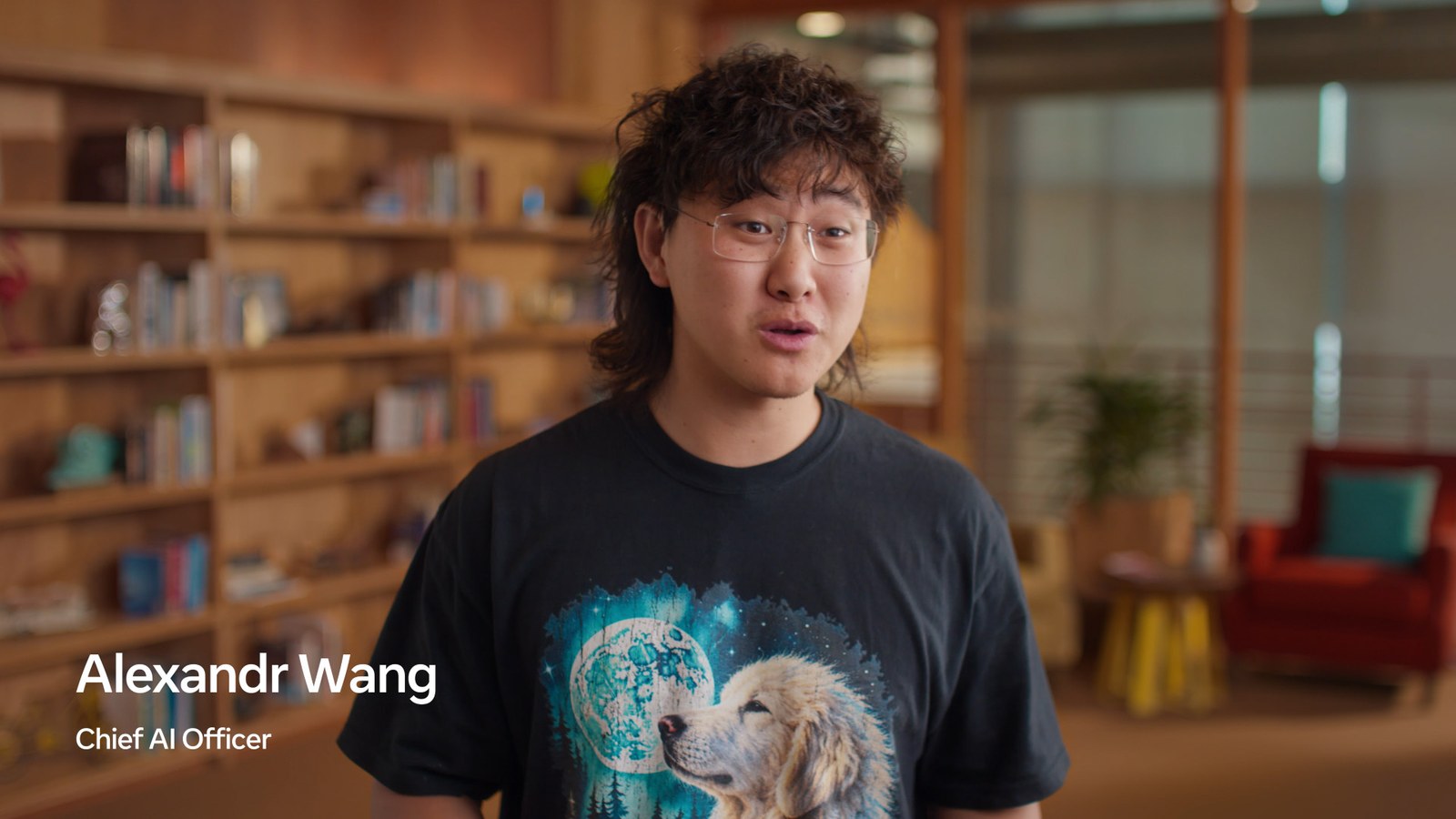
Published evaluations have a defined scope
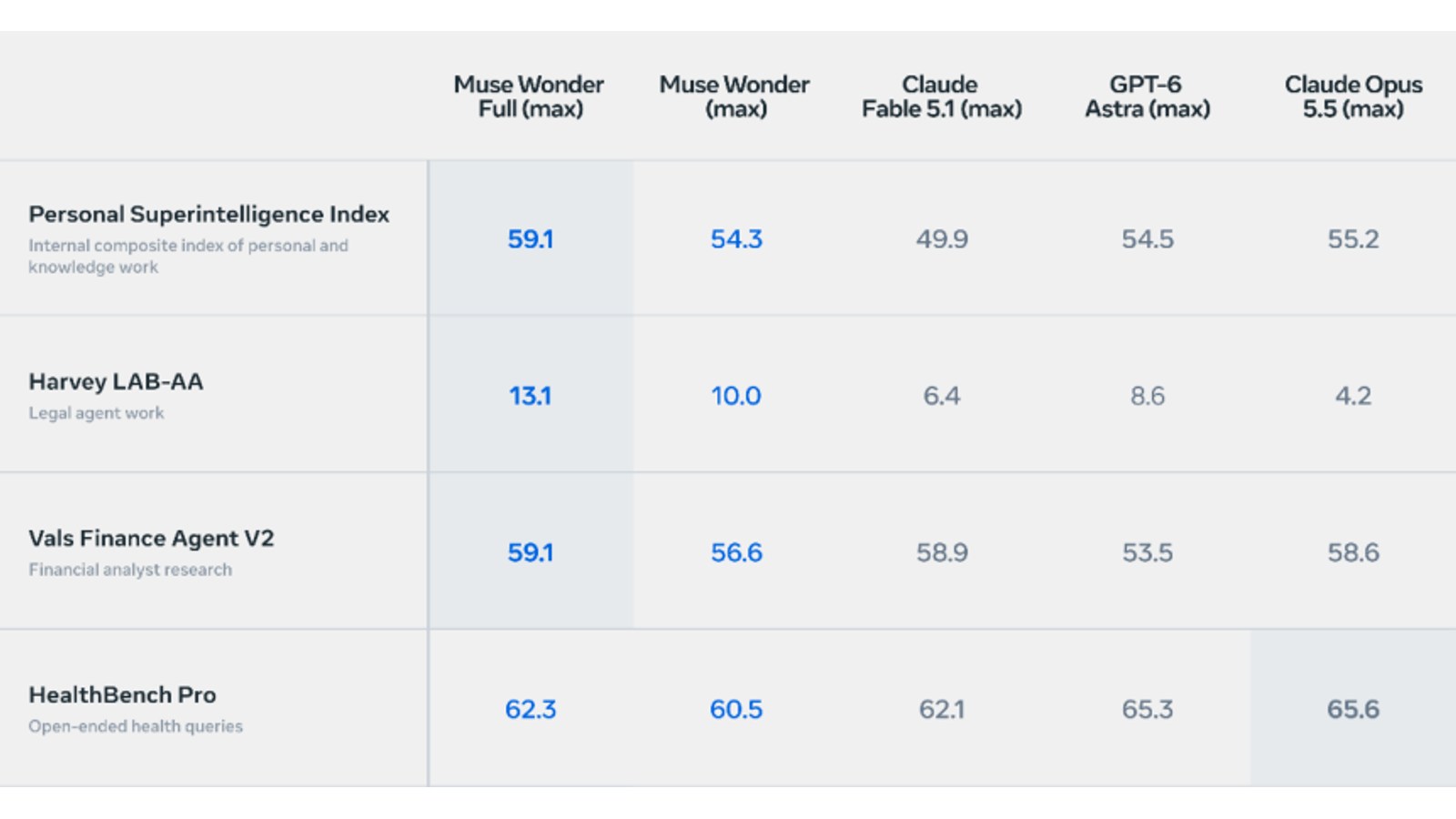
Meta’s comparisons combine internal evaluations with results from external evaluators or other providers. Its model card notes that some coding comparisons use different surrounding tools. Those tools can affect performance alongside the model.
Scores on selected tasks help describe a capability. They do not establish the cost of completing a particular project or how many revisions it will require. An agent needs to be judged on its deliverable, recorded actions and permitted spending as well as a leaderboard position.
The conversation starts here
Sign in with a supporter account to comment. Sign in

Nobody has commented yet. Want to go first?