
Google is opening Gemini 4 Argon beyond the selected cybersecurity teams that received it first. On October 13, Pro and Ultra subscribers get access in the Gemini app, while the Gemini API lists Argon as generally available. This expands the restricted launch announced on September 30.
Developers can use the paid API, and Google also announces Ultra access in AI Studio and Antigravity, its agent-based coding environment. AI Studio is a place to test models and build applications. The API lets software send work to a model and receive its output. Those access routes have different terms from a Gemini chat subscription. Google does not give a country-by-country rollout for these features.
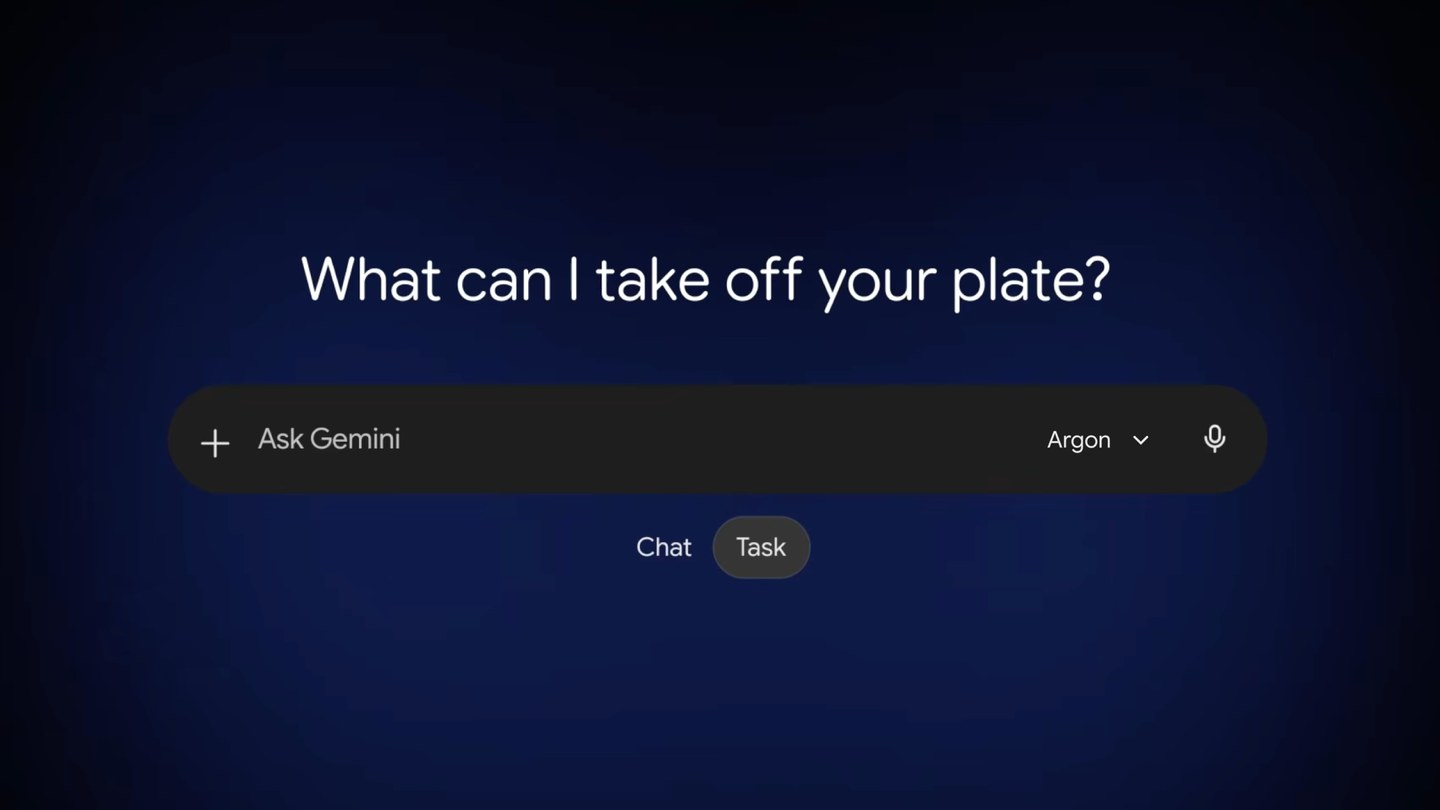
Handing off a task from the chat window
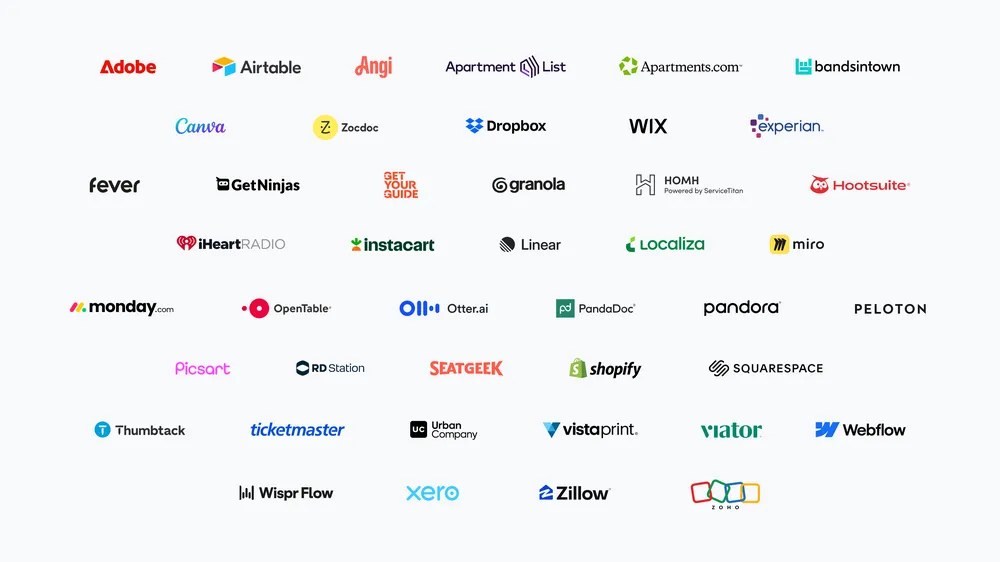
Gemini adds a switch from chat to tasks that Google says can keep running while you’re away. The macOS app also incorporates Antigravity’s coding interface. Google announces connections with more than 40 apps, including Adobe and Shopify.
The appeal is letting an assignment move across applications, with each connection determining which information and actions are available. That distinction between answering and acting also matters in Google’s new Gemini work agent for businesses. A stronger model still leaves users with a result to check.
A larger allowance for difficult work
Google positions Argon for complex coding, research and assignments that involve several steps. Its model specification supports text, images, video, audio and PDFs as inputs, with text output. Image analysis is supported, but this model does not generate images or audio.
Input, internal reasoning and the final response share a context window of roughly one million tokens, the units used to measure what an AI processes. A bigger input leaves less room for the model’s reasoning and answer.
Google’s long decode feature extends generation across requests by continuing where the previous one stopped. Developers need current Google tooling configured for long decode, or their own continuation handling. Selecting Argon alone does not make every request return a million-token answer.
Three reasoning levels let developers choose how much effort the model puts into a problem. Google recommends the middle setting for most tasks. The high setting allows more work on difficult problems, with a longer wait and greater token use.
Introductory API rates end on November 30
At the standard API tier, Argon costs $2 per million input tokens and $10 per million output tokens, including reasoning. These introductory rates last through November 30, 2026. On December 1, they become $4 and $20, doubling both charges.
Argon is unavailable on the API’s free tier and is not included through Google AI Pro there. Pro subscribers do get app access, according to the consumer announcement. Building Argon into another application requires the API’s access and billing terms, rather than assuming a chat subscription covers the work.
The conversation starts here
Sign in with a supporter account to comment. Sign in
Nobody has commented yet. Want to go first?