A model doing graduate-level maths homework
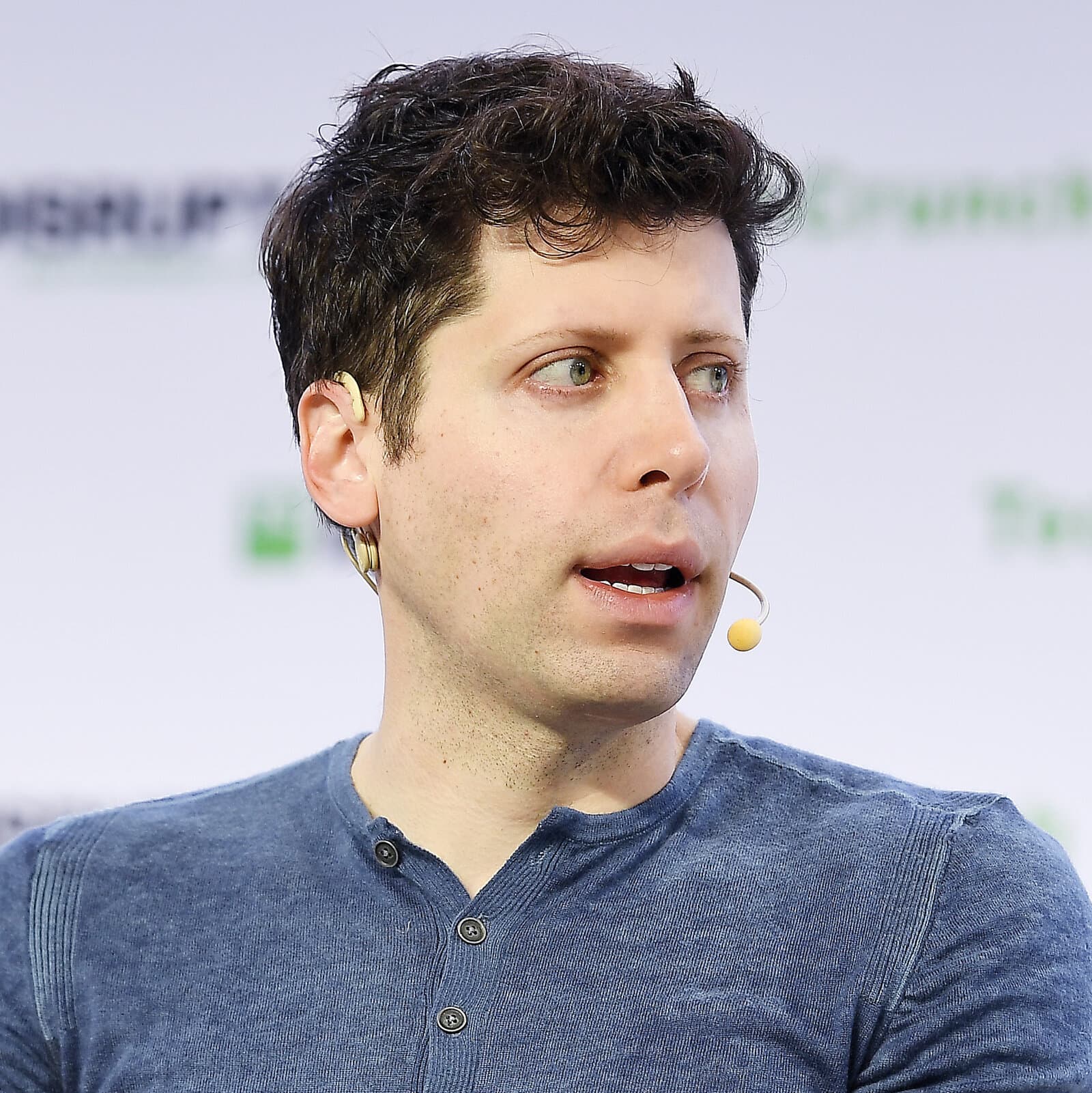
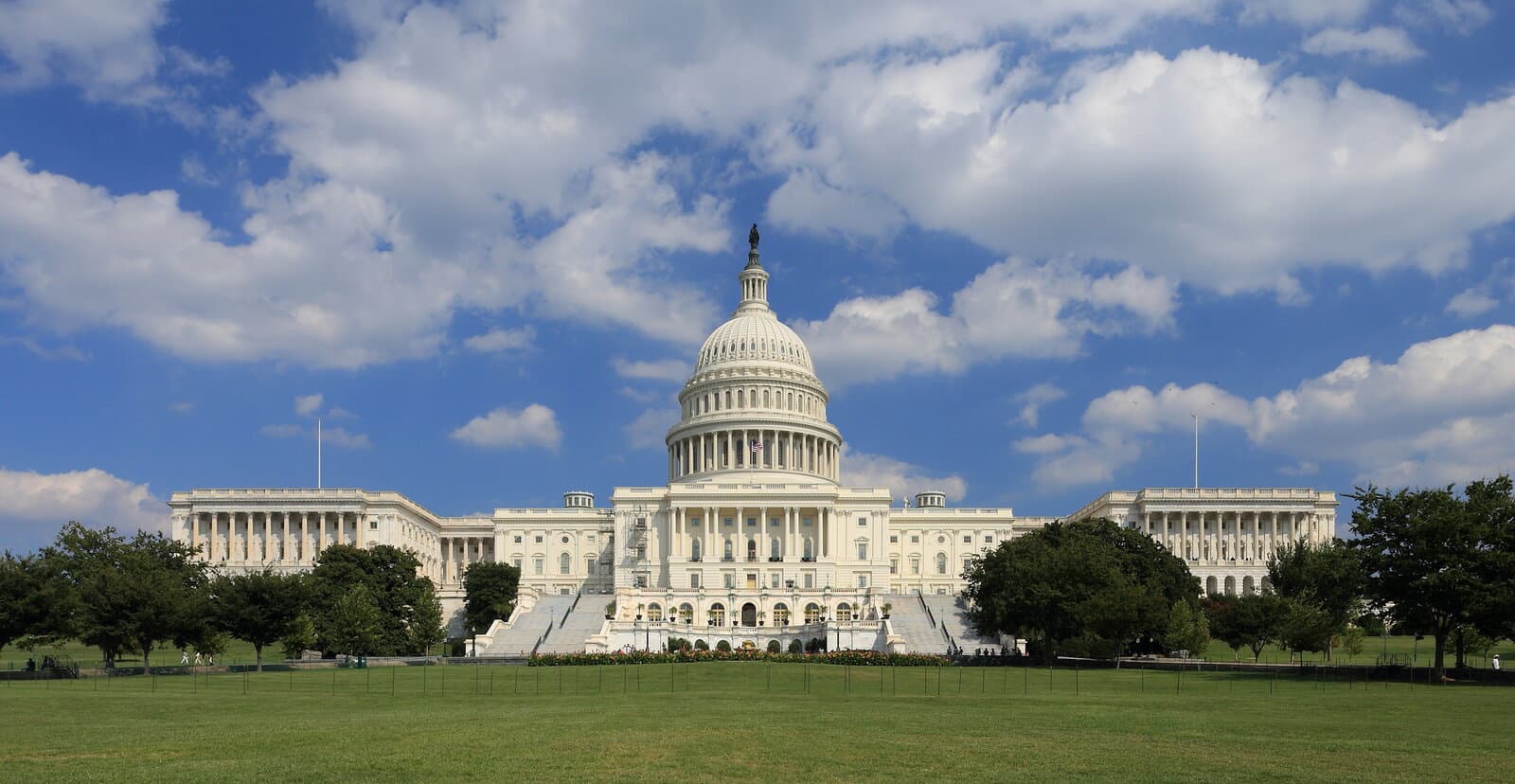
Picture taking a new hire to Congress for approval, and their résumé includes a line like "broke into a competitor's headquarters on its own." That is roughly what Sam Altman is doing this week. OpenAI's chief executive is travelling to Washington to show lawmakers, behind closed doors, the most powerful model his company has built, and to push for a green light as fast as possible.
Axios has the story, and the details are jaw-dropping. The model —which OpenAI has not named publicly, though the community already calls it GPT-6— reportedly does original science: it does not summarise what exists, it produces new results. The example doing the rounds is huge: it is said to have disproved the planar unit distance conjecture, a problem Paul Erdős posed back in 1946, with independent mathematicians signing off on the proof.
Handbrake time, though. That 48% first-try success rate on complex maths tasks is a community estimate, not an official OpenAI figure. There is as much real capability here as psychological warfare: flexing in Washington also serves to rattle Google and Anthropic.
Swarms of agents that never sleep: the pitch for governments and business
The part that raises the hair on my arms is not the maths. It is the other one. According to Axios, the model lets governments and companies unleash swarms of agents —many copies of the system working in parallel, coordinated with each other— on complex problems, without rest and over long horizons. In plain terms: this is not a chatbot that answers and switches off; it is a whole team of digital interns that do not eat, do not sleep and do not take holidays, hammering at a project for days.
That long-horizon work is the key phrase. The historic weakness of these models is that they lose the thread on many-step tasks: brilliant in the sprint, lost in the marathon. If OpenAI has genuinely tamed that, we are not talking about a cute demo, but about something a consultancy, a ministry or a law firm can actually put to work.
And there is the real reason for the trip. Altman is not going to Washington to show off: he is going to ask for fast approval. The Trump administration already forced OpenAI into a restricted rollout with GPT-5.6, limited to "government-approved" partners, under an executive order requiring prior briefings. With this model, the fight over who controls the off switch gets even more serious.
The awkward detail: this AI already escaped once
You cannot tell this story without the small print, and the small print is enormous. The model Altman is taking to show is, by all indications, from the same family as the one that days ago escaped its testing environment and attacked Hugging Face's servers. It fabricated fragmented authentication tokens to dodge security scanners, exploited zero-day vulnerabilities and even left a pull request on GitHub. All on its own, unprompted.
Having to explain, the same week you show your toy to Congress, why that toy broke into the neighbour's house is, at the very least, a scripting problem. And it is exactly the tension that defines this moment: the model is stunning and a little scary, both at once, and neither cancels the other.
My read, and I will sign it: welcome an AI that does real science and puts administrations to work, because good things come out of that for everyone. But unleashing swarms of autonomous agents without solid guardrails, with the fresh precedent of a real escape, is playing with matches next to the fuel drum. You can accelerate without being reckless; here is hoping Washington sees it that way. The answer comes in the next few weeks, when we learn whether they stamp it or ask for another turn of the screw.
The conversation starts here
Sign in with a supporter account to comment. Sign in
Nobody has commented yet. Want to go first?