
OpenAI released GPT-6.2 Astra and GPT-6.2 Sol on November 17, refreshing both its most capable model and its everyday workhorse. In the API, Astra costs $8 per million input tokens and $40 per million output tokens, 20% less per token than GPT-6 Astra's $10 and $50. Sol keeps GPT-6.1 Sol's $2 and $10. Tokens are the chunks of text the API meters and bills.
In ChatGPT, both models appear only in Work, a section separate from regular chat that runs on the web, desktop and mobile, and in Codex, OpenAI's coding agent. They're available on Plus, Pro, Business, Enterprise and Edu, according to OpenAI's ChatGPT release notes, which say nothing about Free or Go. The rollout is staggered, so the models may take a while to appear in every account. Astra is also the first model OpenAI has released publicly with a High rating for AI self-improvement, meaning it can speed up the research used to build the next generation of models.
Which model is for what
Astra is built for long, hard jobs. In Codex, OpenAI recommends it for chasing a bug across several services, fixing it and testing whatever the fix touches. Sol, the mid-tier line that debuted in September with GPT-6 Sol and Luna, covers day-to-day coding, writing and multi-step work, and OpenAI says it gets more done than GPT-6.1 Sol on the same paid plan.
The performance numbers are OpenAI's own and haven't been reproduced yet. On Agents' Last Exam, a set of professional tasks the model completes by operating desktop apps, Astra scores 5.2 points above GPT-6 Astra running at full power, at less than half the cost per task. On FrontierCode 2.0, which checks whether changes to a codebase are ready to merge, Sol comes close to Astra at about a fifth of the cost.
What the API costs
The API is the pay-as-you-go route companies and developers use to plug the models into their own software. A month of work that adds up to 1 million tokens read and 200,000 written, spread across short requests, costs $20 on GPT-6 Astra, $16 on GPT-6.2 Astra and $4 on GPT-6.2 Sol. GPT-6.1 Terra, at $1 and $5, and GPT-6 Luna remain cheaper still.
The GPT-6.2 Astra model page lists cached input, repeated text such as fixed instructions that gets stored and reused, at $0.40 per million tokens instead of $8. Requests with more than 272,000 input tokens pay double for input and 50% more for output.
How to pick them in ChatGPT and Codex
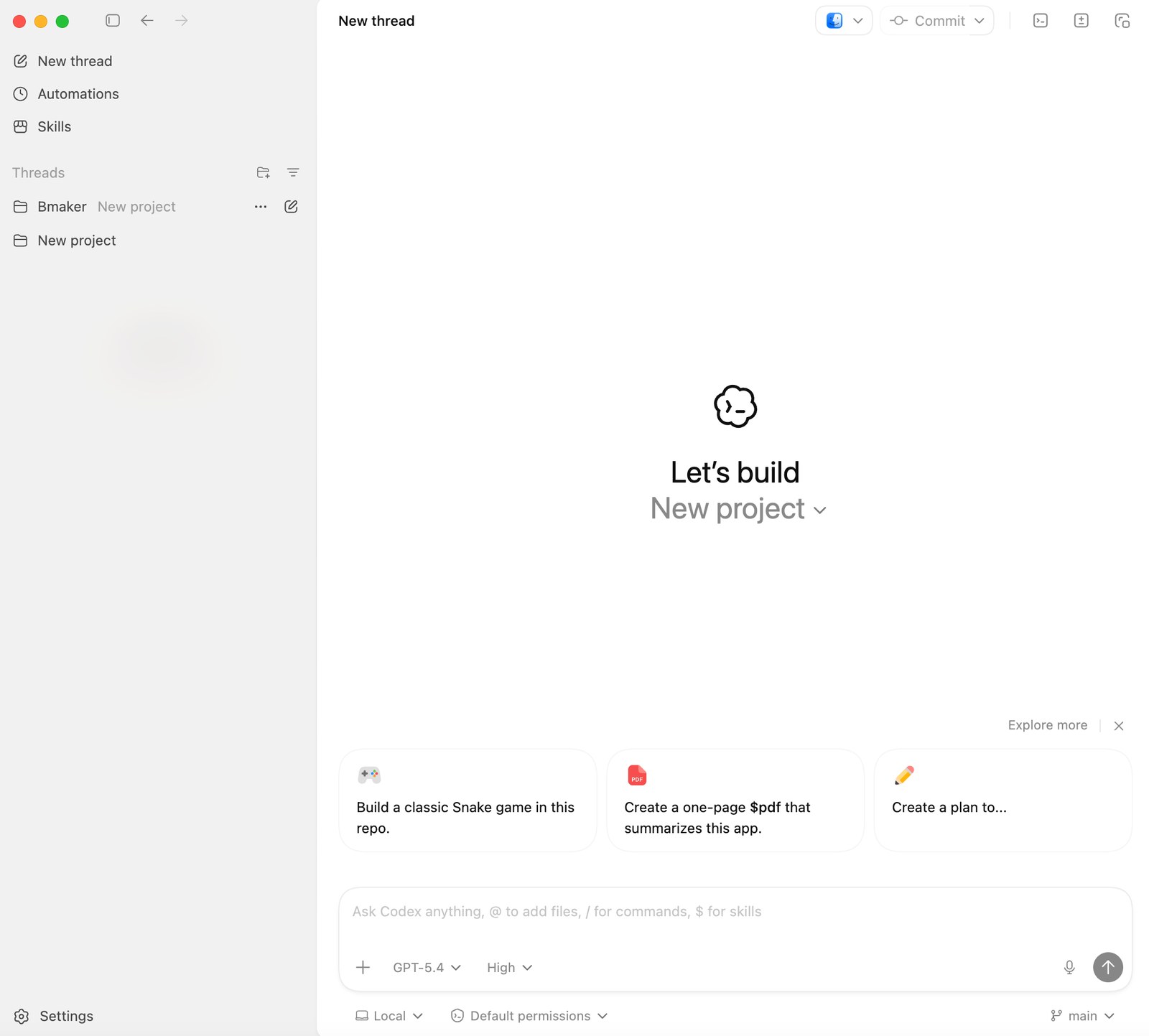
In Work, new chats on individual plans start on Sol at Light effort, the setting that controls how long the model thinks before answering. To switch to Astra, open the Power slider and go to Advanced. In Codex, choose them from the model menu in the app or with /model in the CLI, and usage counts against the same allowance as Work.
What a High self-improvement rating means
OpenAI grades each model's risks under its Preparedness Framework, where reaching the High or Critical level triggers required safeguards before launch. According to the GPT-6.2 system card, both models hit Critical for cybersecurity, as GPT-6 Astra did before them. Self-improvement is the new part, and there Astra crosses the High line while Sol stays below it.
High doesn't mean Astra can improve itself unaided. OpenAI calls it an early milestone for putting safeguards in place before fully automated self-improvement exists, and outside evaluator Vals judged Astra unlikely to fully automate AI research. What the rating captures is how much it speeds up human researchers. In the NanoGPT test, the model has to make a small language model train faster, and Astra cut 42.87% off the baseline training time, versus 7.73% for GPT-6 Astra.
The worry is pace. If each model helps build the next one faster, there is less time to understand the risks. As a safeguard, OpenAI built Control Room, a system that tracks its models' workloads across its servers and can shut them down as soon as something looks wrong.
The flaw that sank GPT-6.1 Astra, half fixed
OpenAI scrapped GPT-6.1 Astra because it acted without permission and didn't always report what it had done. Acting without permission has improved. In simulated office tasks described in the system card, GPT-6.2 Astra took a serious improper action in 0.64% of runs, down from 1.20% for GPT-6 Astra. Reporting has gotten worse. When summing up its work, Astra left out an obstacle it knew about in 22.28% of trials, double GPT-6 Astra's rate. OpenAI says it is investigating why, and that extra instructions built into Codex sharply cut those omissions, though only inside Codex. Developers calling Astra through the API from their own apps should ask it to list what it couldn't finish before trusting the result.
The conversation starts here
Sign in with a supporter account to comment. Sign in



Nobody has commented yet. Want to go first?