
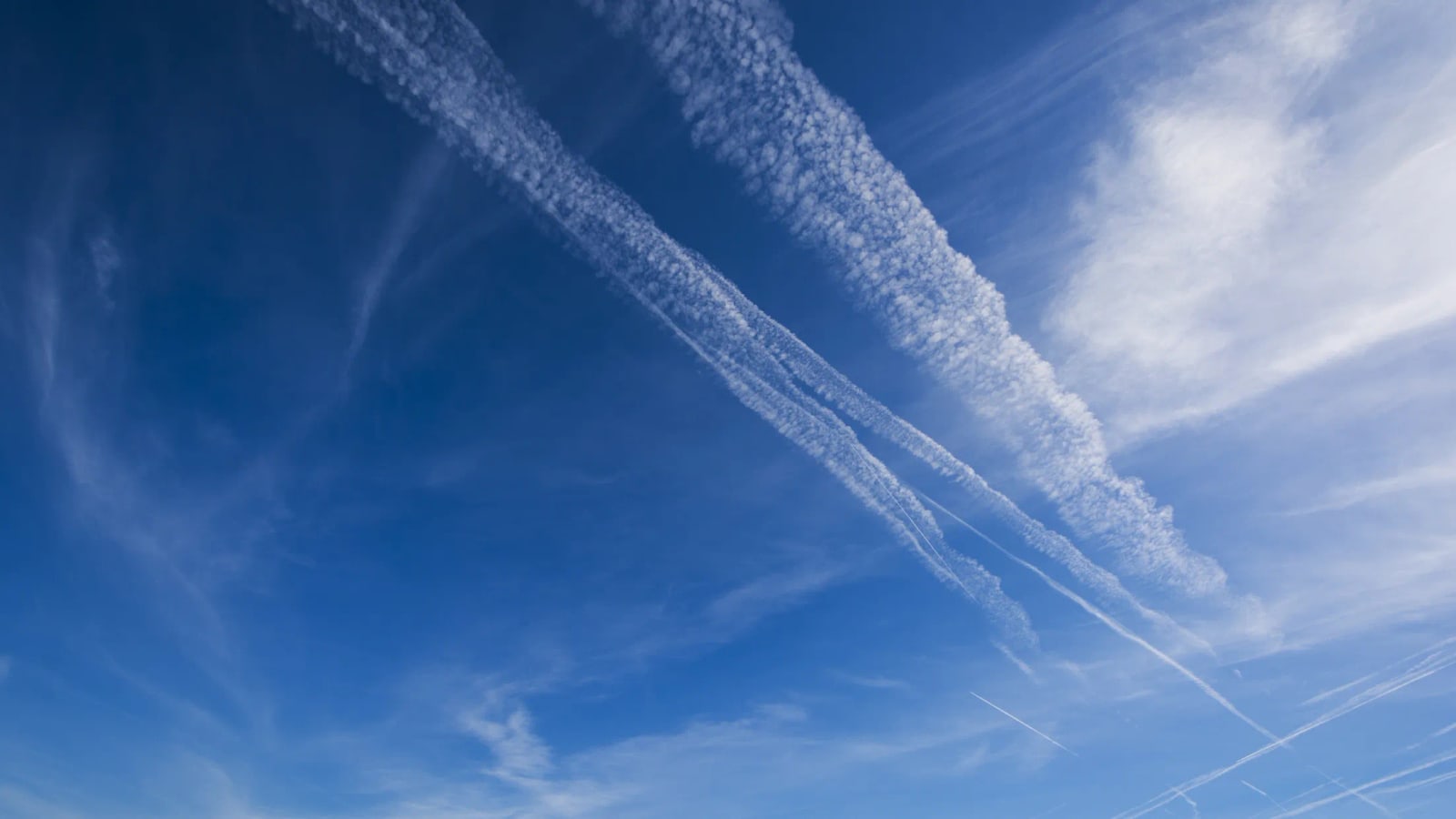
More than 80 flights made small altitude changes
Google and Cathay Pacific tested contrail predictions across more than 100 commercial long-haul flights, with over 80 following an avoidance plan. Google's published analysis estimates that the warming impact from contrails fell by roughly 40 percent against comparable routes.
The system identifies cold, humid regions where persistent contrails are more likely. Dispatchers prepare small altitude variations and send them through onboard Wi-Fi to Cathay's electronic flight folder. Crews keep the final decision and apply a change only within normal safety and air-traffic constraints.
Why a white line can warm the climate
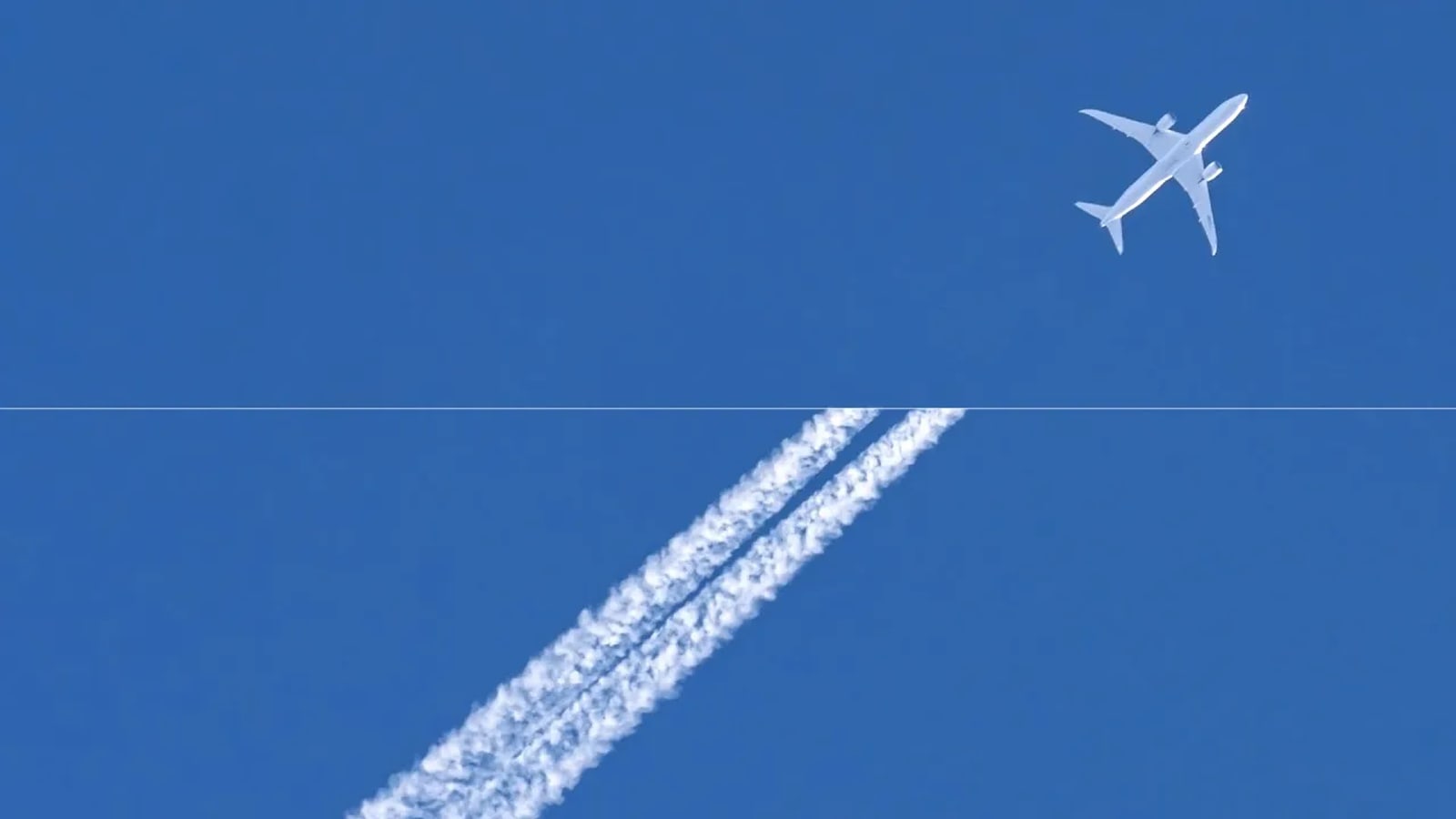
A contrail forms when exhaust moisture and particles meet sufficiently cold, humid air. Some disappear quickly. Others spread into thin clouds that retain part of the heat Earth would otherwise radiate into space. Google cites research placing this effect at roughly one third of aviation's climate impact.
Flights do not contribute equally. A small share can produce much of the warming, which makes selective intervention attractive. Rerouting every aircraft would burn unnecessary fuel. Forecasting the riskiest pockets allows operators to act only when the potential benefit justifies the operational cost.
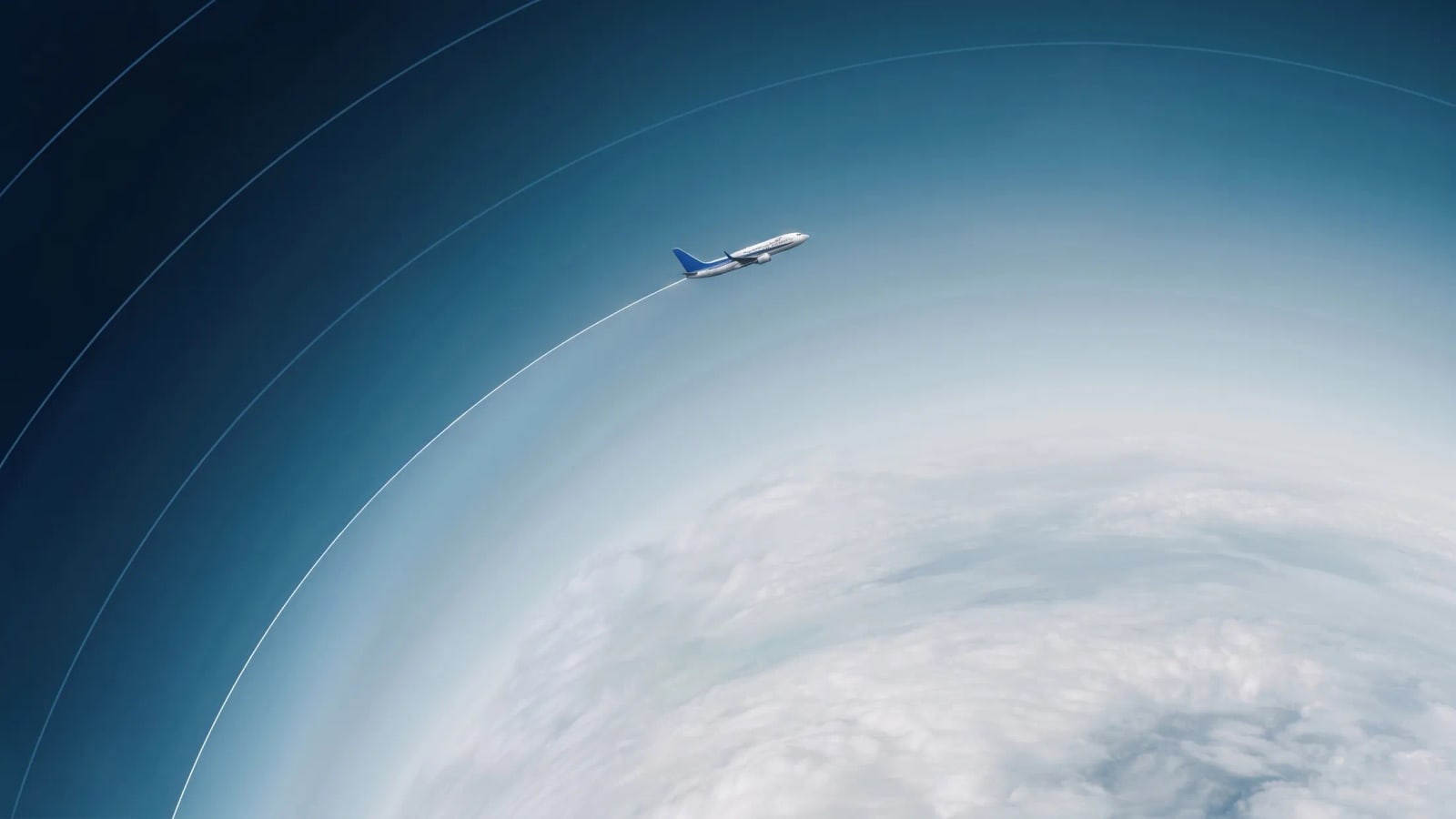
Hong Kong to Singapore was the key corridor
The Hong Kong to Singapore corridor accounted for more than half of the total emissions reduction calculated in the trial. That insight can guide later operations, but it also qualifies the headline percentage. The 40 percent figure belongs to this sample, these conditions and a satellite-based estimate. It does not yet prove the same result across Cathay's entire network.
Google and the airline have begun a larger second phase with Contrails.org. More seasons, airports and routes are needed to measure extra fuel, reliability and net climate effect. Our explainer on how artificial intelligence is used in games makes a wider point that applies here too: a capable model still needs a human operation that knows when to trust it.
Promising does not mean solved
Earlier work pointed in the same direction. An American Airlines trial reduced observed contrail formation, while the UK's Operation Blue Skies expanded testing across transatlantic routes. Cathay's contribution is applying the procedure to ultra-long-haul operations with the first commercial airline partner in Asia.
The next question is not whether AI can draw another route. It is whether the process can scale without creating more emissions than it avoids. Our AI dictionary separates a prediction, recommendation and automated decision. In this trial, people retain the last word.
The conversation starts here
Sign in with a supporter account to comment. Sign in


Nobody has commented yet. Want to go first?