
What OpenAI claims to have proved
OpenAI has published a 166-page proof that proposes to settle one of the seven Millennium Prize Problems. The result does not say that every fluid stays regular forever. It constructs the opposite case: smooth initial conditions and a smooth external force for which the velocity of a three-dimensional fluid becomes unbounded in finite time.
In other words, the proposal says the Navier-Stokes equations can develop a singularity even when motion starts smoothly. According to OpenAI's presentation, the proof covers both the whole space and periodic settings, alternatives C and D in the Clay Mathematics Institute statement. Kinetic energy remains finite while velocity blows up.
The vortex that concentrates velocity
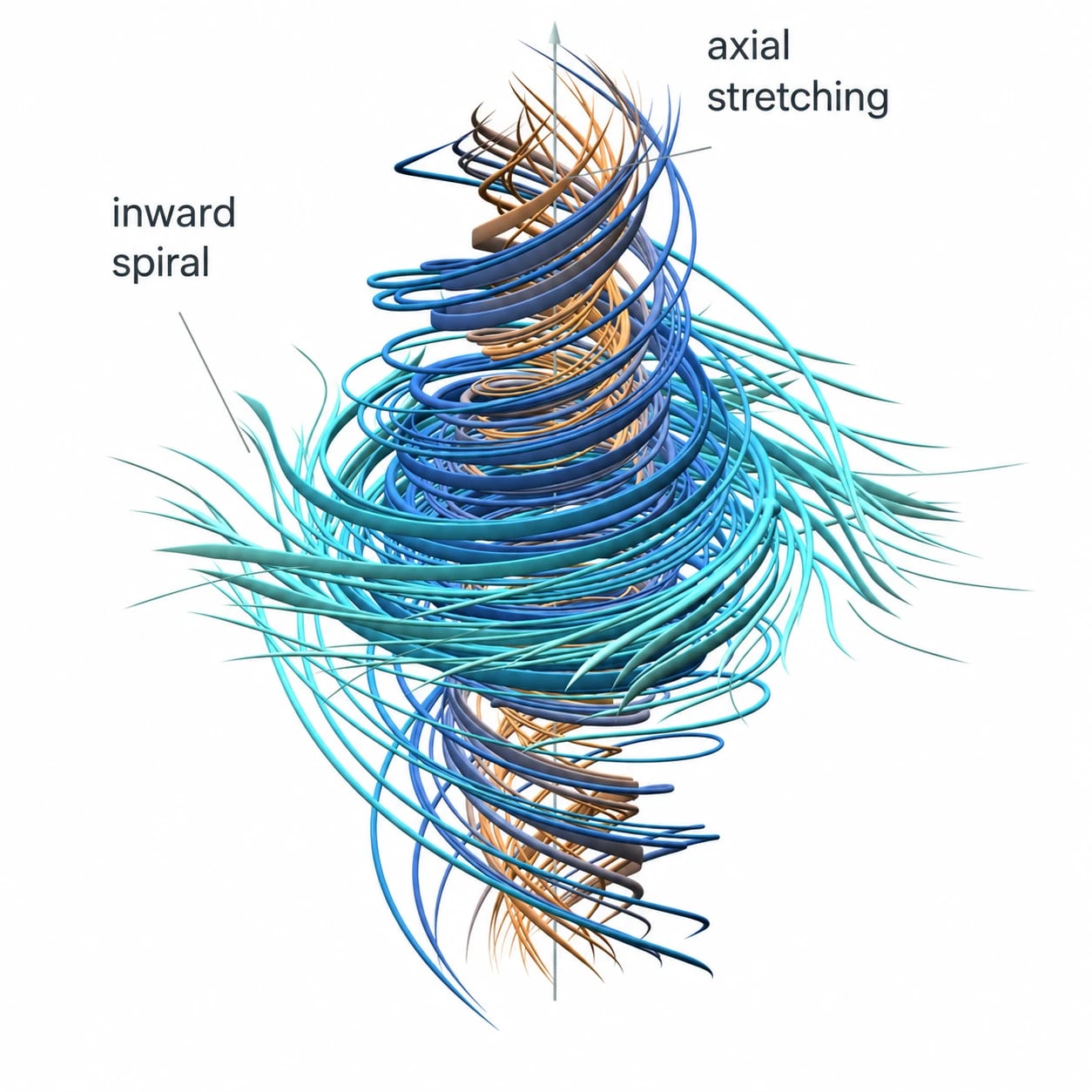
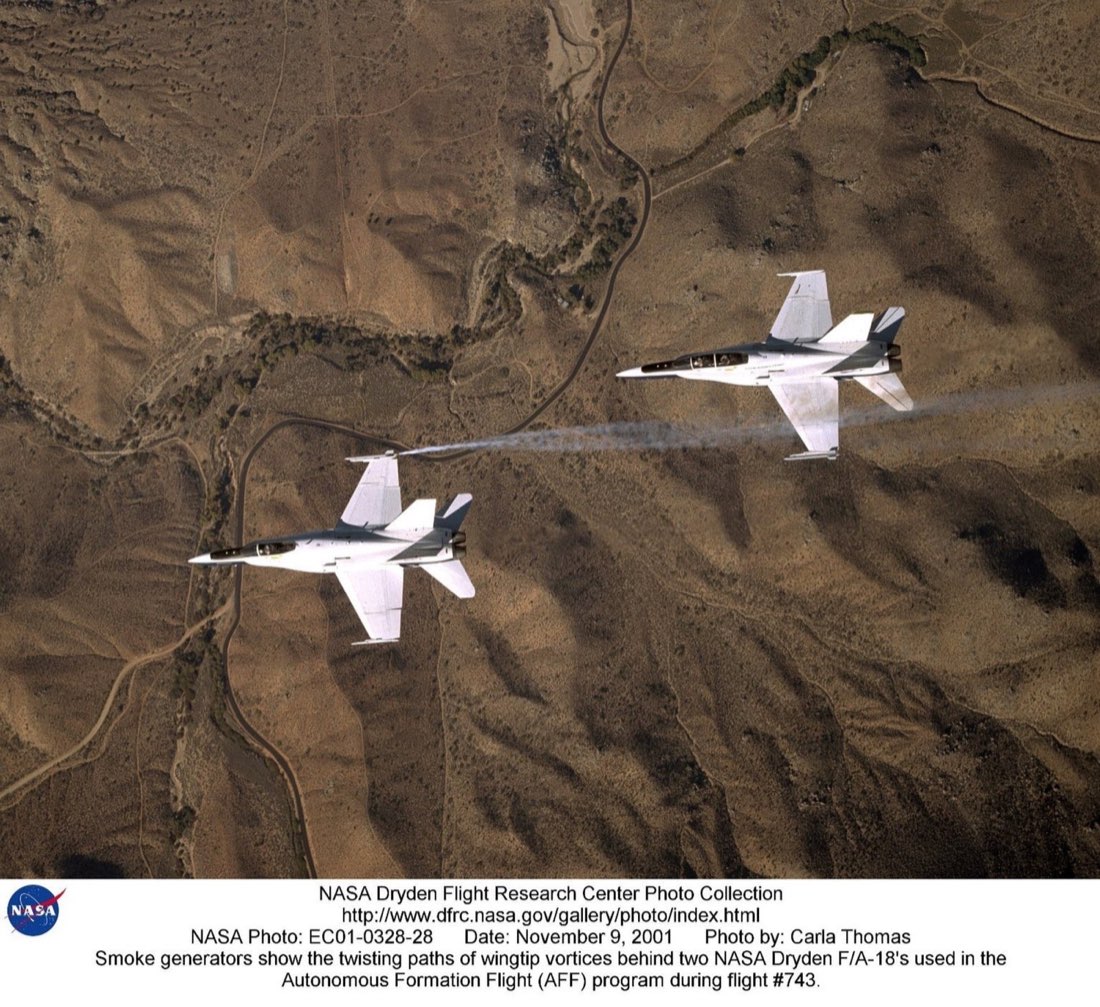
The construction starts with a fluid at rest and adds a precisely designed force. It produces a vortex that spirals inward while stretching along its axis. As the structure concentrates, velocity rises until it becomes unbounded. Potentially troublesome terms are meant to cancel, leaving the applied force smooth.
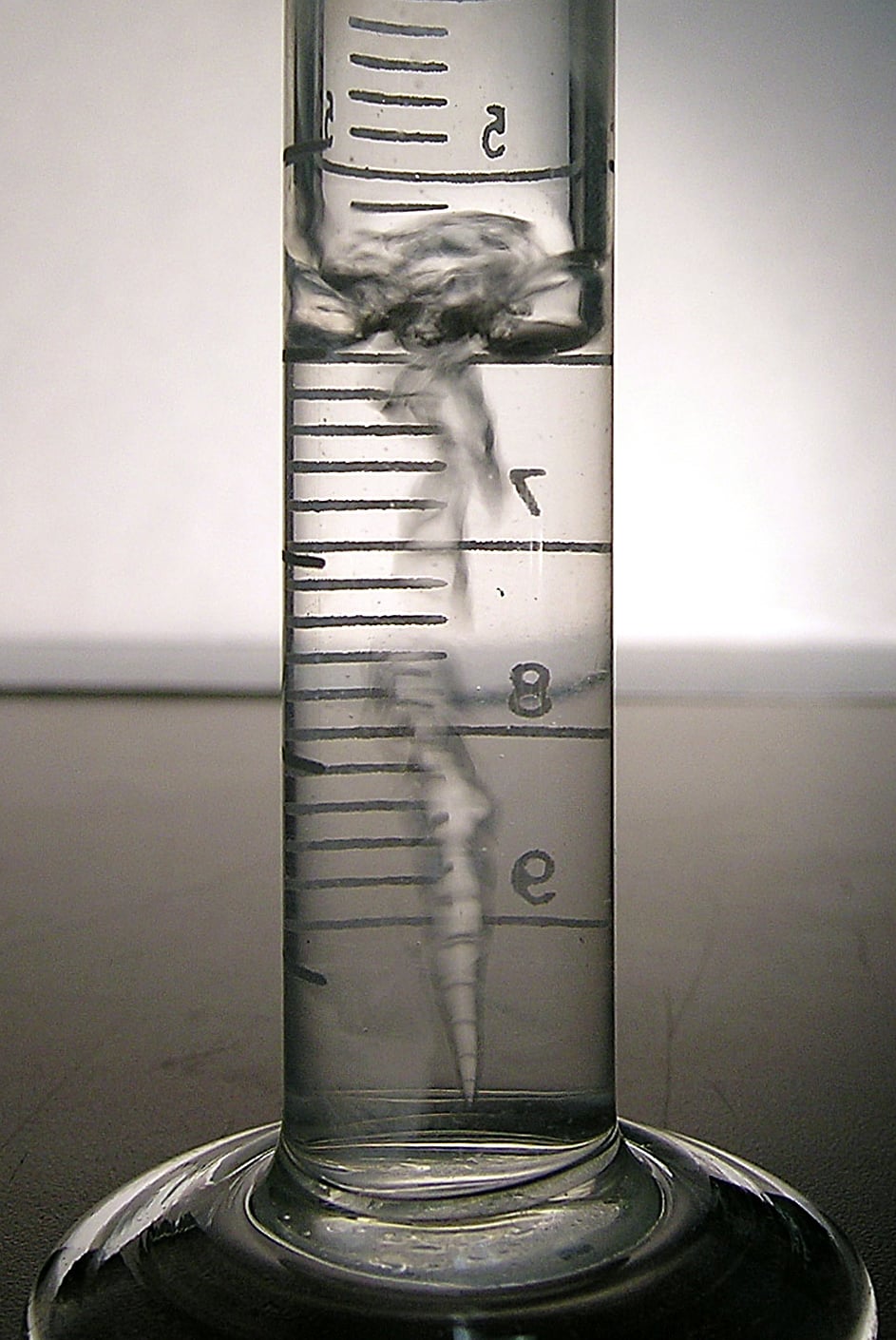
This is not merely an abstract curiosity. The equations describe air around aircraft, water, weather prediction and blood flow. The proof asks whether that continuous model can break from a perfectly regular beginning. It does not predict that a glass of liquid or a storm will literally produce infinite speed.
10,000 agents and a system beyond Astra
The technology story is almost as striking as the mathematics. OpenAI says it began the effort on September 1 with roughly 10,000 concurrent agents. A candidate emerged four days later, after about 88 hours. Formalizing and checking it in Lean with GPT-6 Astra took another 17 hours. This search alone produced 2.7 million messages and roughly 130 billion output tokens.
The system that found the construction is still training, and OpenAI describes it as significantly more capable than GPT-6 Astra. An agent here is not an independent mathematician. These are coordinated runs that explore, criticize and refine paths. Our artificial-intelligence dictionary explains the difference between a model, agent and verifier.
Why the problem is not officially solved yet
OpenAI has released the paper and formalization code for scrutiny. Lean checks that the encoded steps follow from the stated definitions and axioms. That can eliminate classes of logical error, but it does not replace expert review or by itself guarantee that every formal definition captures all conditions of the original problem.
The Clay Mathematics Institute rules require publication in a qualifying outlet, at least two years and general acceptance by the mathematical community before a solution can be considered for the prize. OpenAI says it does not intend to claim it. For now, the extraordinary news is a public, reproducible and formalized proposal. Calling the problem solved will be justified only if it survives the examination that has just begun.
The conversation starts here
Sign in with a supporter account to comment. Sign in

Nobody has commented yet. Want to go first?