
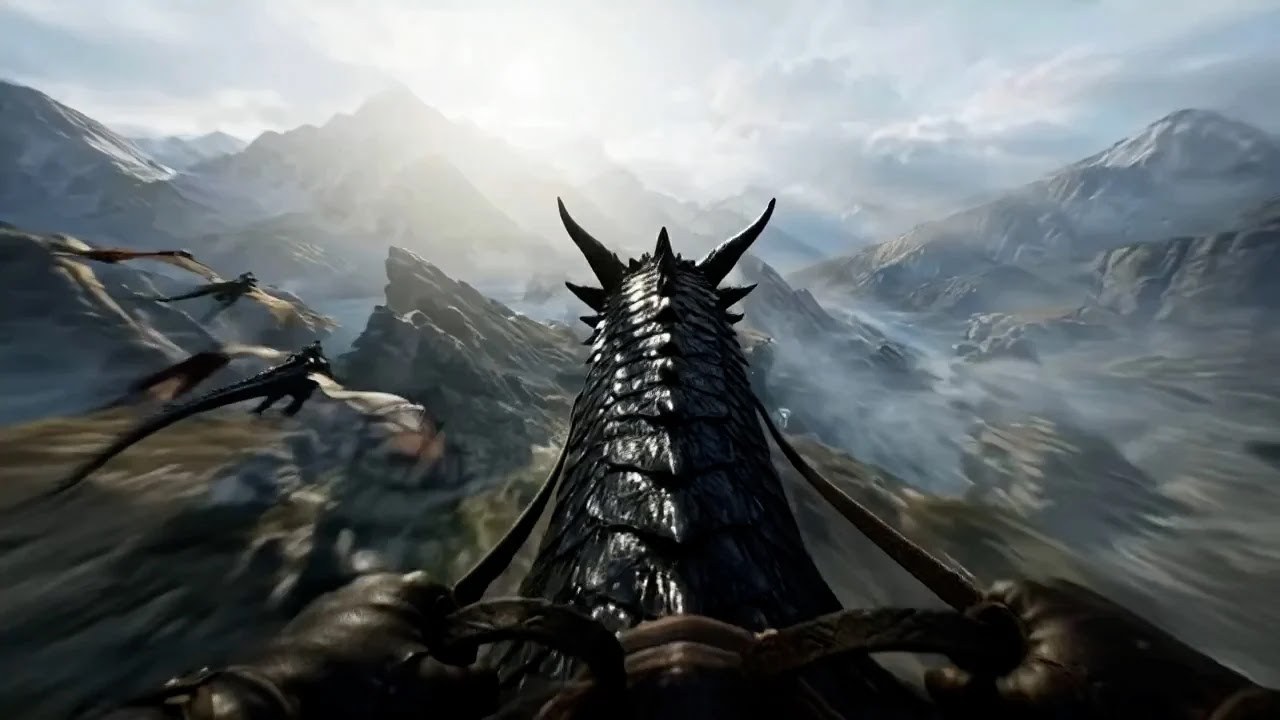
Google on Wednesday, November 18, opened Genie 4, its new model for generating virtual worlds, in Project Genie, the experimental web app where those worlds are built and explored with a keyboard. Access goes to Google AI Ultra subscribers, Google's most expensive consumer plan, which starts at $99.99 a month in the U.S. People on the $19.99 AI Pro plan can only join a waitlist.
The new model lets you rewrite a world while you are inside it. Type a prompt and it can start raining, a character can walk in or the action can head somewhere else. Genie 4 is also the first Genie model to generate sound alongside the picture, from wind in the background to characters talking.
What a world model actually does
A video game keeps its world in files: maps, 3D models and rules that an engine turns into pictures. Genie has none of that. It is a world model, an AI that, as DeepMind explained with Genie 3, draws each frame from the prompt, from what it has already drawn and from the key you just pressed. Walk toward a corner and the model makes up whatever should be around it. Because every frame builds on the ones before it, small mistakes pile up, which is why these worlds last minutes rather than hours.

What you can do in Project Genie
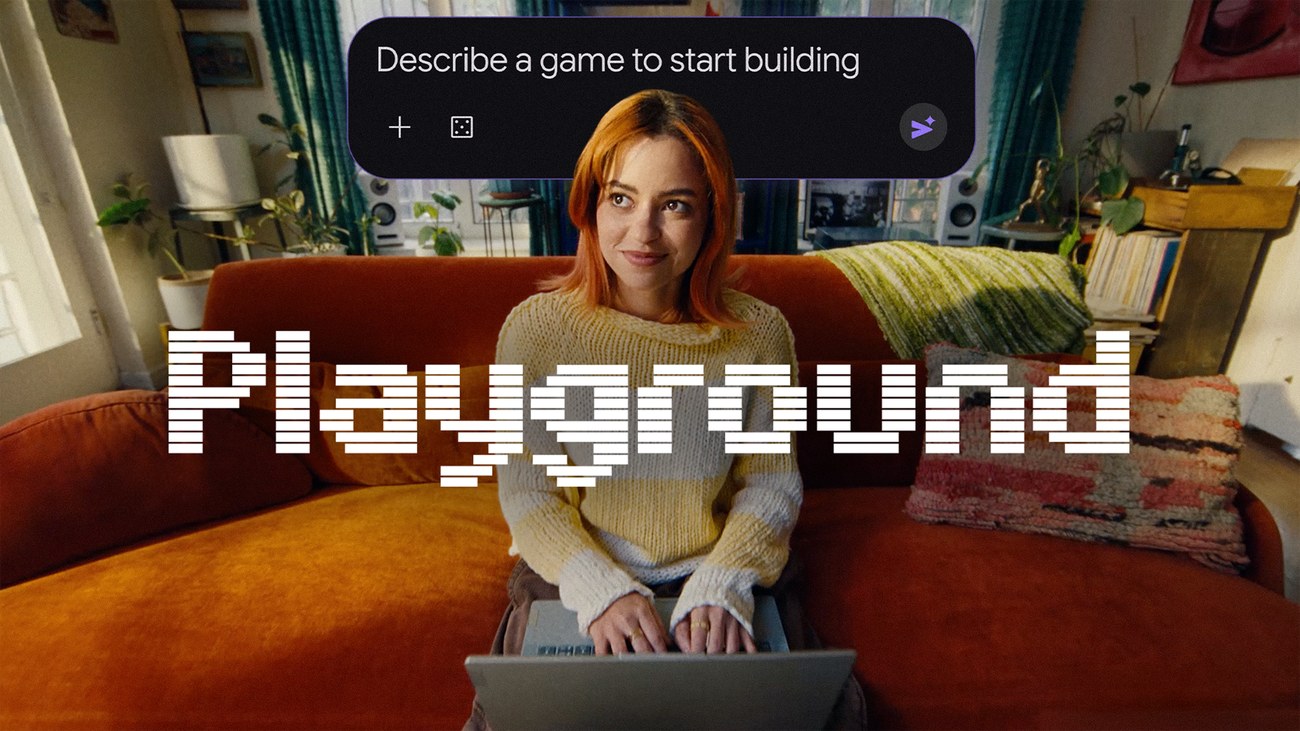
You can start a world from a sentence, an image or a chat with an AI assistant that also generates background music. Inside, WASD moves you and the arrow keys turn the camera, per Google's Project Genie help page, while Gemini can suggest where to go next or trigger events.
Finished worlds can go into a public gallery, where others explore them and remix the structure, soundtrack or rules. You can download a video of each run, and it carries SynthID, Google's invisible watermark for AI-generated images and audio.

Who can get in and what it costs
The help page limits Project Genie to users 18 and older in countries where AI Ultra is sold, and Google's U.S. plans page says it is available in more than 140 countries, though it still describes the feature with Genie 3. For Genie 4, Google refers only to "eligible" subscribers without spelling out what that means.
AI Ultra costs $99.99 a month, or $199.99 for the higher-usage tier, so moving up from AI Pro costs at least $80 more a month, the same jump Google already asks for Gemini 4 Carbon. Daily limits vary by plan and demand, but while early access lasts, building worlds does not use up the AI credits included in the plan.
About a minute per session, and details that drift
Genie 4 sessions currently last around a minute, according to the model's page. Genie 3 stays in the model picker and now runs up to three minutes per world, up from 60 seconds, so the newer model trades session length for realism and sound. Google has not given a resolution or frame rate for Genie 4.
DeepMind's technical overview also warns that visual details and object permanence can drift, meaning something you saw may look different when you turn back to it. That is more likely in longer simulations or after several complex prompt edits, and DeepMind has yet to solve complex physics or legible text inside its worlds.
What it means for games
On January 30, the day after Project Genie first opened in the U.S. with Genie 3, shares of Unity fell as much as 21%, Roblox dropped more than 12% and Take-Two, the publisher behind GTA, lost 10% during the session, Reuters reported, on fears that tools like this could make games faster and cheaper to build. Genie 4 is still far from a finished game. Google describes no saved progress between sessions, and a game has to behave consistently for dozens of hours, not one minute.
DeepMind pitches a different job for it. The company says studios and creative technologists are using Genie 4 to turn an idea into an explorable prototype in seconds and to try out styles and mechanics before writing any engine code. That makes it a way to see how a game might look and move before anyone builds it, alongside other uses covered in our explainer on how AI is already used in video games. Google is not alone, either: AMD agreed to buy World Labs, a startup working on AI-generated 3D worlds, for $8.2 billion.
The conversation starts here
Sign in with a supporter account to comment. Sign in

Nobody has commented yet. Want to go first?