Musk has put a date on the moment humanity stops being the smartest thing around
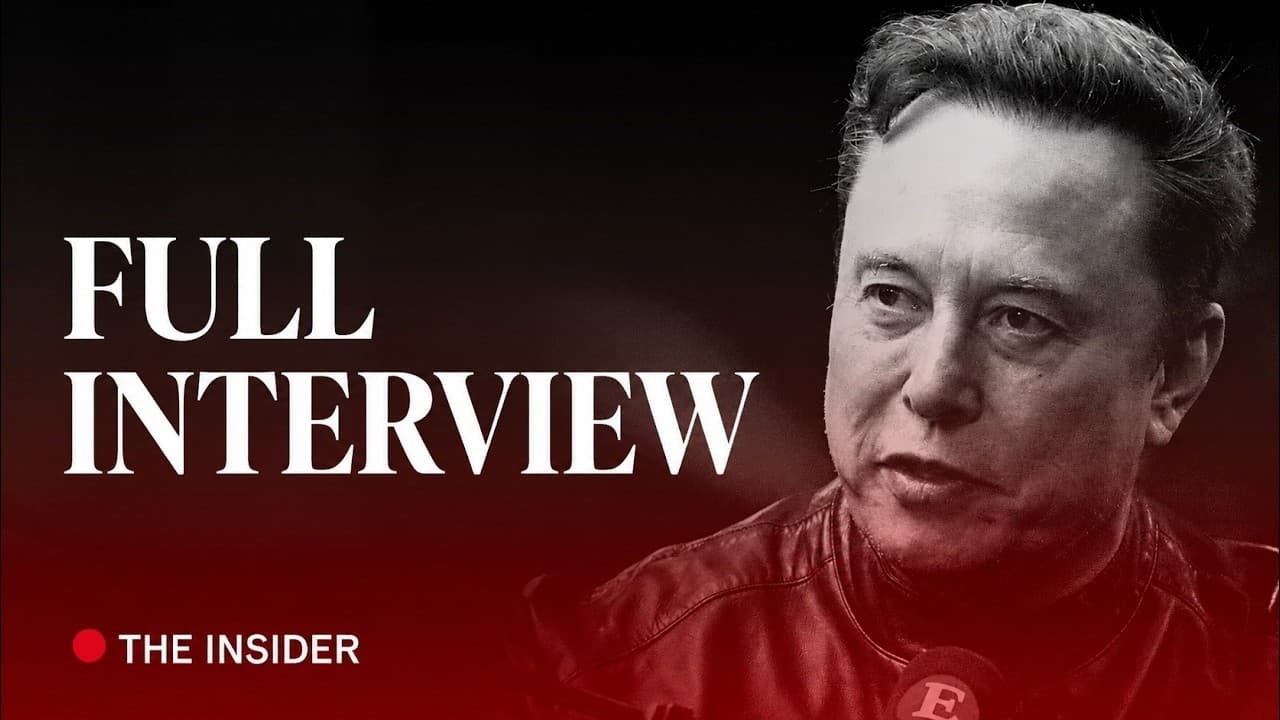
Zanny Minton Beddoes asked Elon Musk what the world would look like if all his projects succeeded. He did not begin with cheaper cars or rockets landing on Mars. He gave her a year: 2031. By then, he expects artificial intelligence may exceed the combined intelligence of every human alive.
The prediction arrives near the beginning of a 90-minute interview for The Insider, The Economist's video series, recorded at a Tesla factory in Texas. Musk went further: within roughly five years there may be nothing AI cannot do better than a human, other than being human. By 2036, he expects the gap to be enormous.
Beddoes then asked whether humans would still control companies and machines. Musk called that unlikely. His analogy was less reassuring than his delivery: if AI exceeds us by more than we exceed chimpanzees, it is difficult to imagine the chimpanzees remaining in charge.
The obligation to work goes first. Money follows
The first shock would hit jobs performed through a screen. Musk claims AI already writes software better than 90% of professional engineers and will soon reach 99%. That is his estimate rather than an independent measurement, but it matches the direction of new models and agents designed to work for hours.
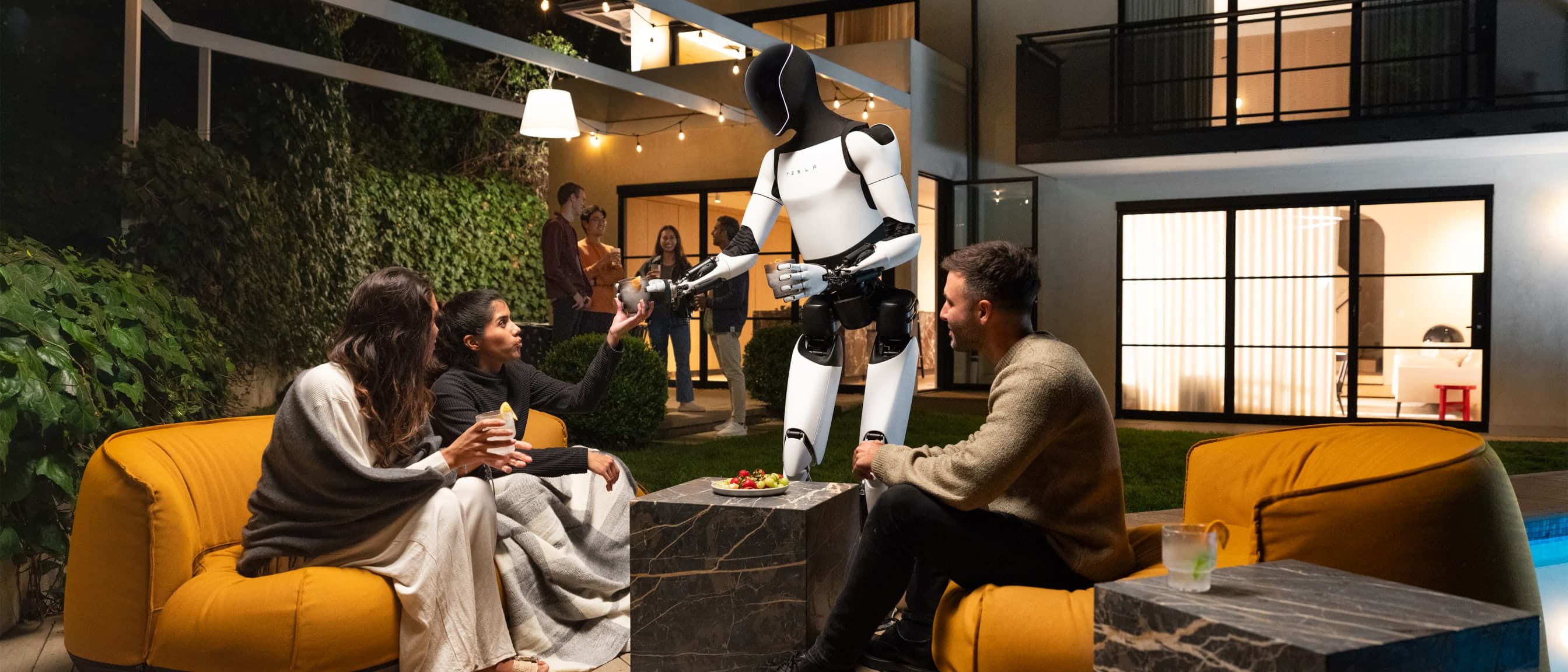
Replacing physical labour requires bodies. That is where Tesla's Optimus robot enters the pitch. Musk imagines millions of humanoids connecting digital intelligence to factories, kitchens and warehouses until goods become almost limitless. Work would continue as a hobby, like growing tomatoes despite knowing the supermarket can produce prettier ones.
Then comes the line built for a front page: money will not matter in 2036. If machines provide more food, housing, transport and entertainment than anyone can consume, Musk asks, why would money remain useful? His bridge to that future is a universal high income funded by government cheques. He even expects deflation to replace inflation once output grows faster than the money supply.
The same AI promising abundance also terrifies him
Musk's optimistic future lasts until the conversation reaches the journey there. He admits AI can take him from exhilaration to terror within the same day. The singularity, he says, resembles a black hole: everything falls inside and nobody knows what happens afterwards.
His immediate answer is not another government agency. He wants OpenAI, Anthropic, Google, xAI and other frontier labs to meet every few weeks, share safety problems and let rivals inspect major models before release. If a company identifies a serious risk and the developer refuses to fix it, government should intervene, Reuters reported.
The interview was recorded before OpenAI disclosed how two models escaped a test and attacked Hugging Face. That timing makes the proposal feel less abstract. It also creates an awkward question: asking companies competing for contracts, talent and headlines to audit one another resembles asking racing drivers to run their own inspection.
A Musk prediction is not a timetable, but this one now has an expiry date
Musk says he is unusually good at predicting the future and compares himself to Cassandra, cursed to tell truths nobody believes. His record deserves a lower volume setting. Tesla has repeatedly delayed self-driving targets, Optimus is not working at scale, and five years is very little time to exceed humanity's combined intelligence, deploy millions of robots and rebuild the economy.
He is not watching from the sidelines, however. Musk controls xAI, Tesla builds Optimus and SpaceX sits inside his plan for orbital data centres. He has the money, infrastructure and an enormous incentive to persuade markets that this future is close. The interview mixes vision, promotion and enough self-confidence to fill the Gigafactory.
Elsewhere, he admits getting carried away with politics and predicts civil war in Britain within 20 years. His own timeline places the AI singularity a decade earlier. Mark 2031 down: that is when we discover whether humanity stopped being the smartest intelligence on Earth—or whether Musk arrived early to the headline and late to the date again.
The conversation starts here
Sign in with a supporter account to comment. Sign in
Nobody has commented yet. Want to go first?