
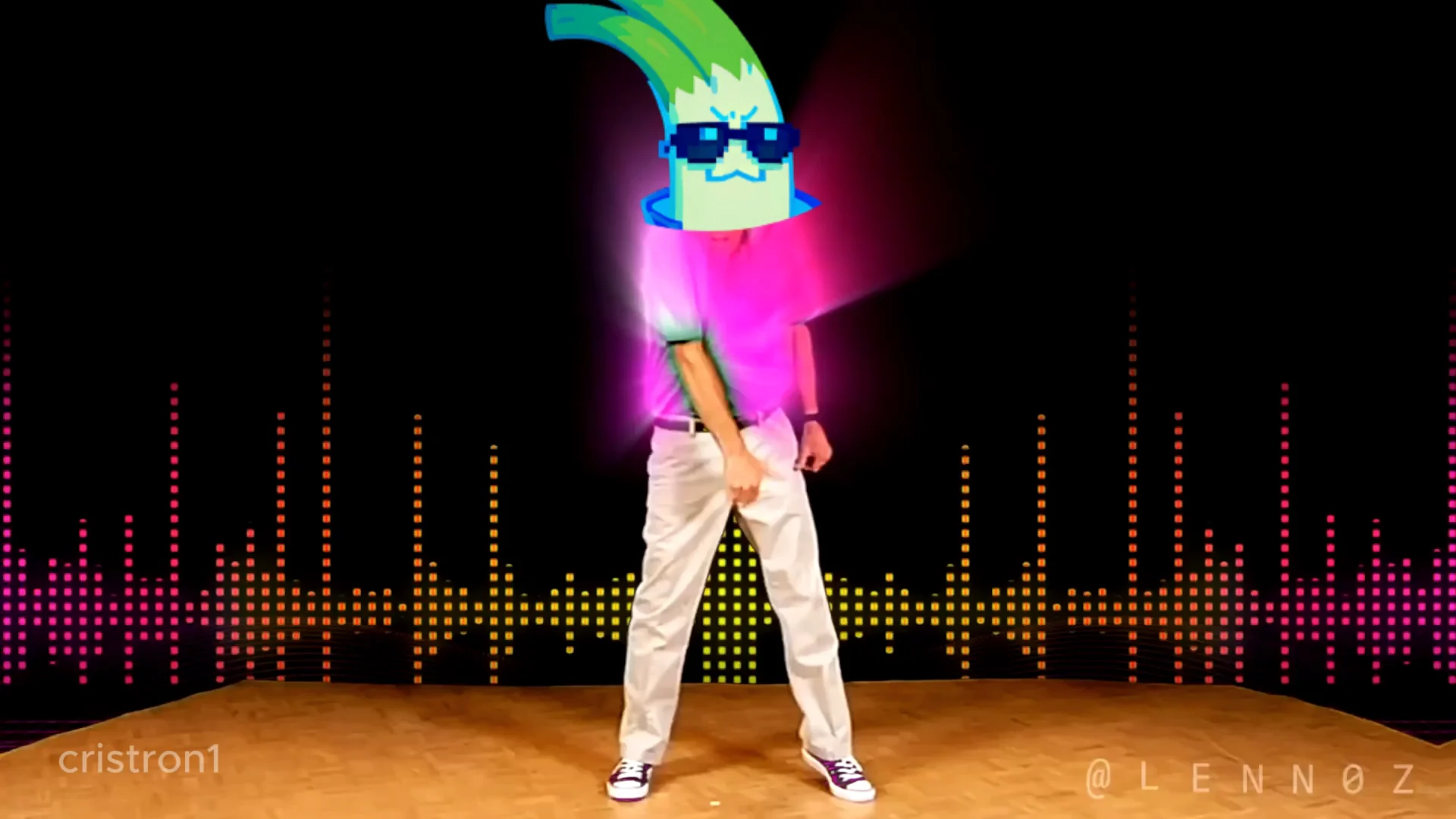
Cyberleek held 270 million units of its own cryptocurrency and, on August 22, pressed the button that makes them impossible to sell forever. The Solana transaction records a burn, an instruction that took the wallet from 270 million CYBERLEEK to zero and removed those coins from the supply. They were not sent elsewhere. They ceased to exist.
At the quoted market price, the position was worth roughly $1 million. That was a sizeable asset Cyberleek could have tried to monetise, and the option is now gone. The surprising part of the story is real.
It also needs one enormous asterisk. Cyberleek did not have $1 million in a bank account waiting to be withdrawn. The wallet held 27% of a small memecoin whose price would have collapsed during any attempted sale of that size. Burning it proves that wallet can no longer execute a dump, a mass sale that crushes everyone below it. It does not prove its owner has given up making money.
The million existed, but it could not leave whole
The headline number comes from multiplying 270 million tokens by the last traded price. Market capitalisation uses the same arithmetic, although it does not mean that amount of cash is sitting inside the market. Imagine the last concert ticket sold for $100. That does not guarantee another 270 million tickets can all find a buyer at $100.
A CYBERLEEK sale of that size would have eaten through the available buy orders and pushed the price lower at every step. Even when the coin briefly carried a market cap above $13 million, its dominant market showed only about $31,000 of buy-side depth within 2% of the price. Cyberleek could have extracted meaningful money by selling gradually. Nobody can honestly claim the full $1 million was available without destroying the market that supplied the valuation.
The accurate wording is that Cyberleek destroyed tokens with a nominal value around $1 million and permanently surrendered the option to sell any of them. Saying somebody burned a suitcase containing $1 million turns market arithmetic into a scene that never happened.

The burn removes one risk and preserves another revenue stream
The blockchain trail goes further. Supply began at one billion CYBERLEEK. The creator wallet sent 730 million to a Raydium liquidity pool, the market that lets people exchange the coin, and separated the other 270 million before burning them. Live supply fell to roughly 729.99 million. Mint and freeze authorities are also revoked, meaning the creator cannot print another mountain of tokens or prevent an ordinary wallet from selling through those standard controls.
About 98.43% of the original pool position sits inside Burn & Earn, Raydium's permanent liquidity lock. Its creator can no longer suddenly withdraw the CYBERLEEK and SOL supporting that market. The wallet does retain a Fee Key, a digital key entitled to claim fees generated by its share of locked liquidity. Raydium's documentation explains that the key controls fee harvesting without unlocking the underlying capital.
With about $62.3 million in accumulated volume by the afternoon of August 23, one estimate based on the pool fee placed those fee rights near $128,800. We found no harvest transaction in the snapshot examined, so that is not proven realised income. It is further evidence that burning the token wallet is different from walking away from the business.
A legitimate protest turned into fuel for a memecoin
We understand some of the anger Cyberleek is exploiting. GTA 6's Ultimate Edition costs $20 more and reserves vehicles, weapons, businesses and single-player activities for that tier. Standard contains the complete base campaign, but Ultimate is the version containing everything. We also understand why a six-hour Netflix exclusive frustrates people after a thirteen-year wait. It is an unfriendly commercial choice and a global event executives want to turn into the largest possible launch moment.
The box without a disc is much harder to defend. Physical games may be a minority, but buyers paying to preserve, lend or resell a copy should not receive a download code inside a box. Rockstar is moving in the same direction as Sony. Cheaper distribution does not stop the result from being anti-consumer.
That criticism does not justify publishing thousands of people's unfinished work. Our complete Cyberleek case file already connects the leaks, a legal hunt, advertising and a coin whose market cap unlocks new videos. Cyberleek's own site insisted, 'This is not a cash grab', while also asking for 400 XMR, worth roughly $165,000 at the time, merely to open an advertising conversation. The ad was not included in that fee.

Burning the million may be Cyberleek's best business decision
The burn removes the most obvious threat facing CYBERLEEK buyers, shrinks supply, generates headlines and lets the leaker look like somebody who sacrificed a fortune for a principle. Each effect can attract more trades, and those trades feed the fees attached to the Fee Key. The sacrifice is real. It also works as marketing.
Our moral position has not moved: Rockstar deserves criticism for a disc-free box, the Ultimate tier and a paid exclusive that treats advertising as premium content, while Cyberleek deserves it for using somebody else's material and thousands of people's work to create demand for a self-issued coin. My reading is less comfortable than either side's preferred story: the burn can be a genuine sacrifice and Cyberleek's most profitable marketing campaign at the same time. What is $1 million that could not be withdrawn worth if destroying it makes everything Cyberleek retains more valuable?
The conversation starts here
Sign in with a supporter account to comment. Sign in

Nobody has commented yet. Want to go first?