
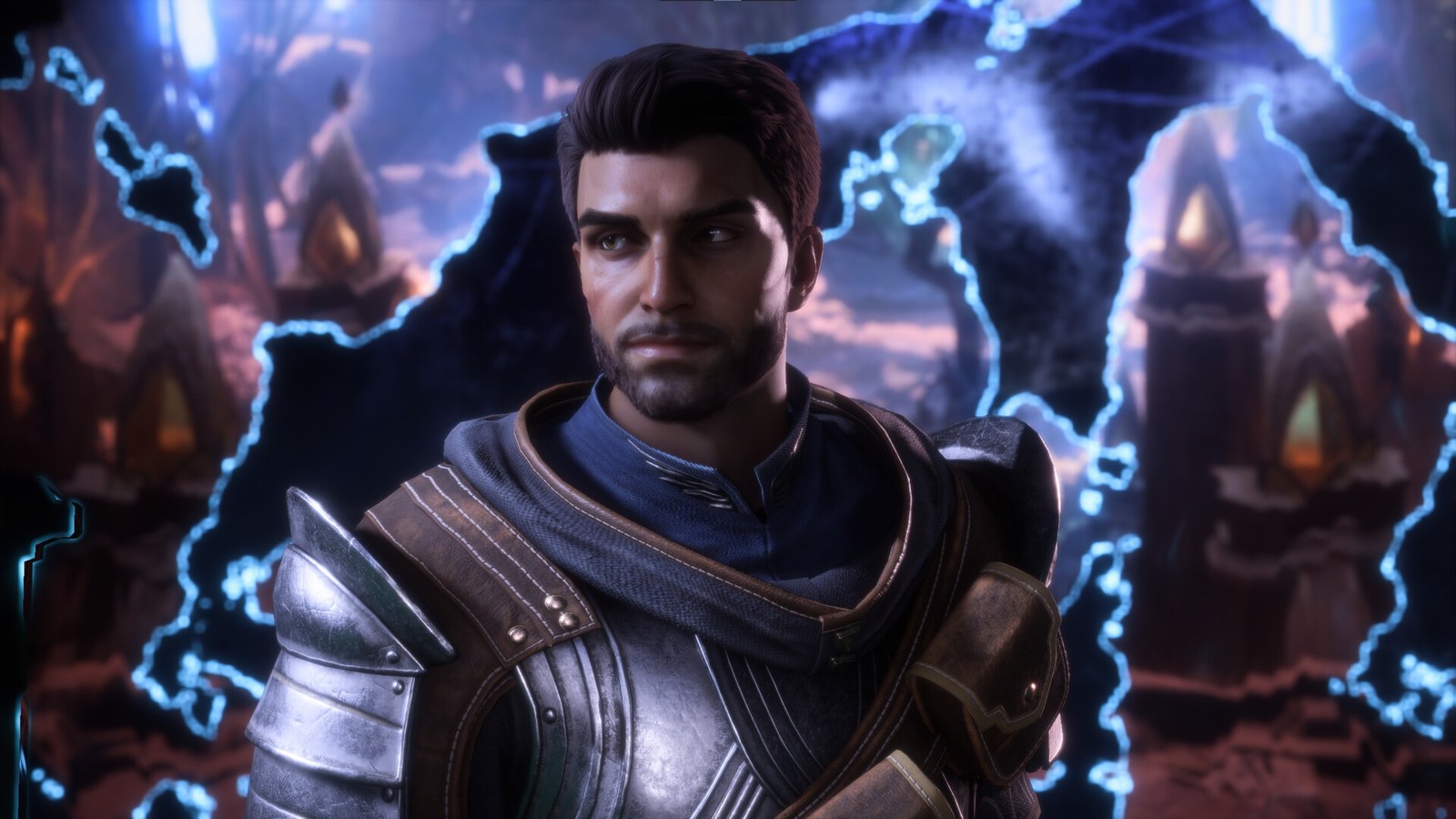
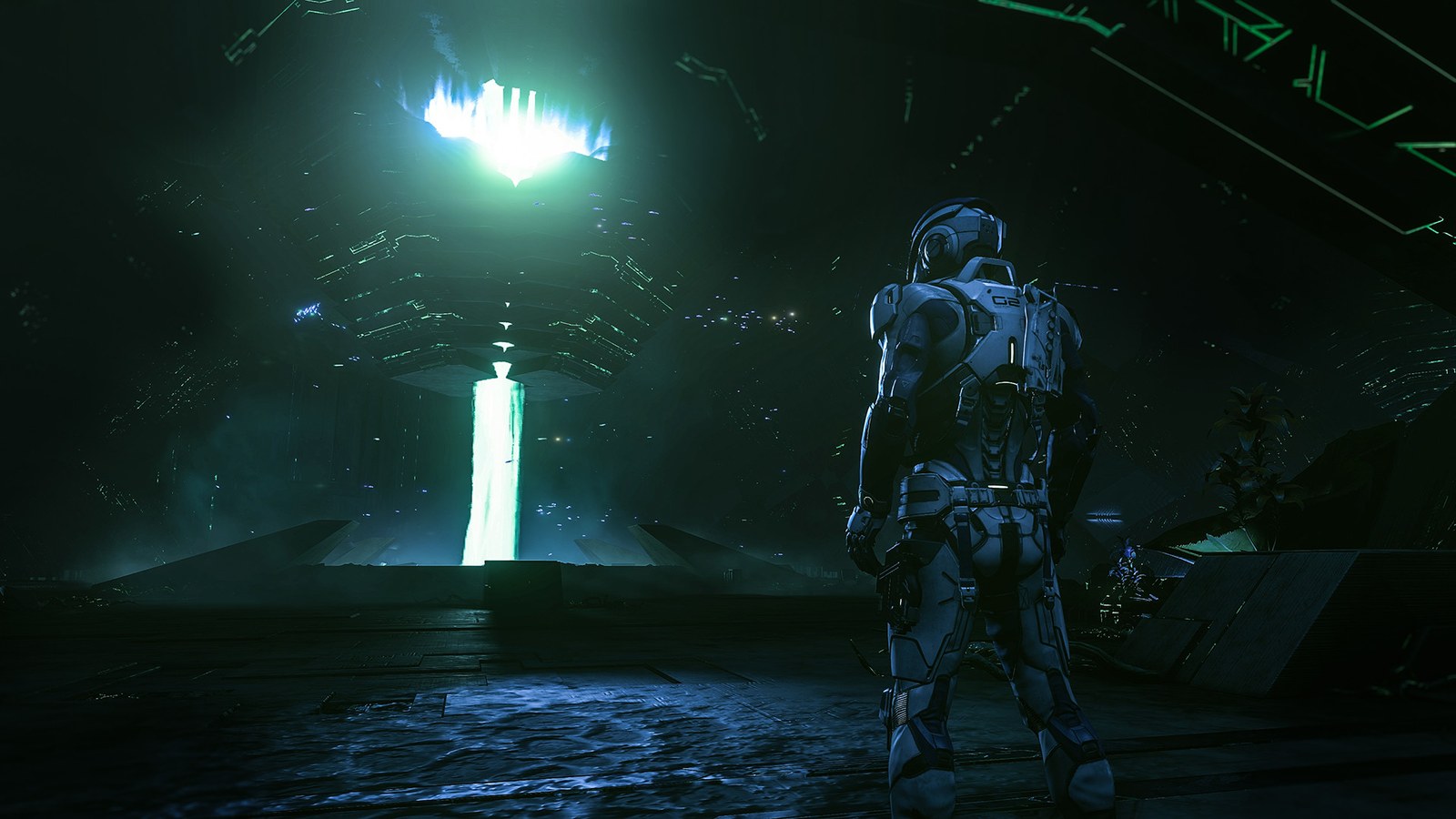
EA confirmed on October 21 that it is closing BioWare and that the next Mass Effect, in early development since it was teased in 2020, will not ship, as we reported when the closure was announced. Bloomberg's numbers, as reported by Video Games Chronicle, put the day's layoffs at roughly 400 people across EA, about 50 of them at BioWare.
That headcount tells you the real loss happened before the closure. The studio behind Baldur's Gate, Knights of the Old Republic and Mass Effect had already been taken apart between 2017 and 2025, first when EA steered it toward live-service games, built to keep people playing and paying for years, and then when EA judged its last RPG by that business's numbers. Closing it means EA no longer funds the kind of game BioWare brought to a mass audience, the long RPG built on choices and companions. That is what players lose.
When BioWare started slipping away
EA bought BioWare, together with Pandemic, in October 2007 in a deal worth $860 million, according to Shacknews. Under EA, the studio shipped Mass Effect 2 and 3 and launched Dragon Age with Origins in 2009. In September 2012 its founders, Ray Muzyka and Greg Zeschuk, retired and left the games business altogether, as Engadget reported.
The turn came in 2017. With Overwatch and Destiny riding high, EA decided the next Dragon Age, codenamed Joplin, should become a live-service game, according to Bloomberg's account as summarized by Gamereactor. That same year Mass Effect: Andromeda launched to a cooler reception than the trilogy, while the Edmonton team was building Anthem, an online shooter meant to run for years.
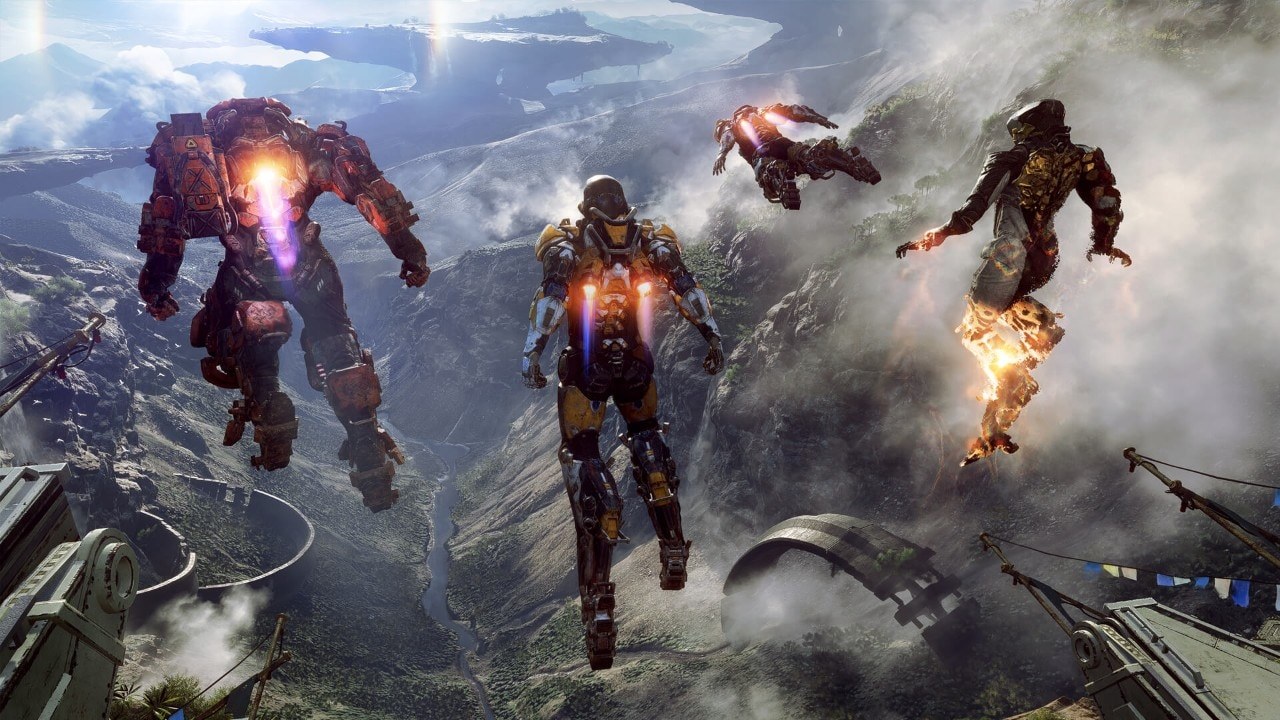
Anthem arrived in February 2019 and showed what the shift cost. Jason Schreier reported at Kotaku that the game spent nearly seven years in development but only entered real production in its final 18 months, on Frostbite, EA's in-house engine (the underlying toolset a game is built with), which developers described as full of razor blades. EA switched off Anthem's servers on January 12, 2026, a date it had announced in July 2025, as Gamereactor noted.
In December 2020, studio head Casey Hudson and Dragon Age executive producer Mark Darrah both left, per Game Informer. The same year, according to Bloomberg's account, the live-service Dragon Age was turned back into a single-player game, built on top of the multiplayer project's foundations.
The yardstick EA used on Veilguard
Dragon Age: The Veilguard came out in October 2024 to good reviews. In January 2025, EA said it had engaged about 1.5 million players in its launch quarter, nearly half of what the company expected, as RPG Site reported. On the February earnings call, CEO Andrew Wilson granted that the game was well reviewed and blamed the miss on what players want now: "shared-world features and deeper engagement" alongside a strong story, as GamesBeat quoted him.
Wilson's answer foreshadowed the closure. He faulted a single-player RPG for lacking the very features EA had stripped out after Anthem flopped. A story RPG is something you buy once and finish, and EA was grading it like a game people return to every week. By that measure, a Dragon Age or a Mass Effect will struggle to look like a success.
A week before that call, on January 29, 2025, BioWare cut staff and moved others to different EA teams. General manager Gary McKay said the new Mass Effect was at a stage that did not need the whole studio, according to PC Gamer. That slimmed-down team is the one EA has now shut.
EA's best argument
EA has a case. BioWare had not had a major hit since Dragon Age: Inquisition in 2014, and its record since then reads Andromeda, Anthem and a Veilguard that fell nearly 50% short of plan. The EA making the call is also a different company. Since August it has belonged to a consortium led by Saudi Arabia's Public Investment Fund, which bought it for $55 billion and loaded it with about $18 billion of debt. According to Video Games Chronicle, EA pays around $1.8 billion a year in interest and has promised lenders $700 million in annual cost cuts. In their letter to staff, chief studios officer Cam Weber and COO David Tinson wrote about "saying no to some things we're passionate about," as PC Gamer reported.
That explains why EA is cutting, but it doesn't show that story RPGs stopped paying. Two of those three misses, Anthem and Veilguard, were live-service games or started life as one. And the same letter keeps the next Star Wars Jedi and the Iron Man game moving, both licensed single-player adventures, so EA is still paying for single-player stories. What it has stopped paying for is the long RPG set in a world EA owns, which inside the company only BioWare made.
BioWare's kind of RPG keeps selling elsewhere
While EA measured BioWare by how many players it drew in a quarter, other studios proved that this kind of game has an audience. Baldur's Gate 3, from Belgium's Larian, continues the series BioWare started in 1998 and had passed 20 million sales by December 2025, according to Bloomberg, as cited by Outlook Respawn. Clair Obscur: Expedition 33, from French studio Sandfall, reached 8 million copies in April 2026, per RPG Site, and our review explains why it hooks people. Those are sales built up over months or years, so they don't line up neatly against the 1.5 million players EA counted in one quarter. They do show that millions of people still pay for long stories with companions and choices.
Even the Dragon Age way of playing still has fans. When a fan-made mod put Baldur's Gate 3's camera over the character's shoulder, Dragon Age style, part of the excitement came from players who missed those campfire-and-companions RPGs.
EA hasn't said whether Mass Effect and Dragon Age will move to another studio. As long as it measures success by how many players come back each quarter, whoever inherits those series will run into the same wall BioWare did. Games like BioWare's will keep getting made, as they already are, by studios that live off selling a finished game.
The conversation starts here
Sign in with a supporter account to comment. Sign in

Nobody has commented yet. Want to go first?