
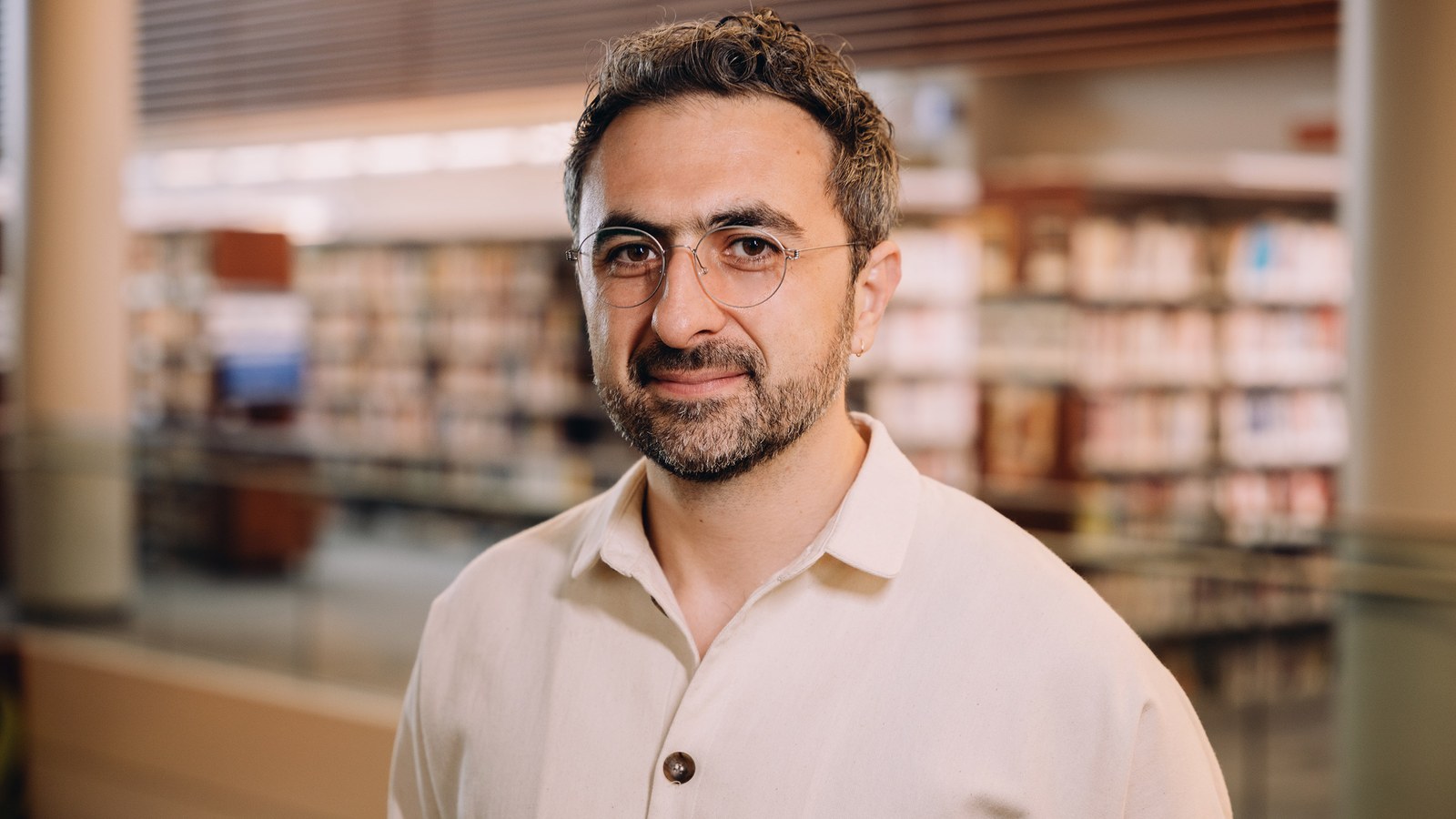
A week after Character.AI filed for bankruptcy, Disney has made a bid aimed mostly at the chatbot startup's people. Court papers reported by TechCrunch show Disney offering jobs to at least 60 of its employees, most of the staff, at an estimated $60 million a year in pay, plus $20 million for a license to some of its technology. Karandeep Anand, who ran Character.AI until September, is already Disney's first chief technology officer. We covered the filing and the bid in our report on Character.AI's bankruptcy.
The deal is the latest version of a move the AI industry has turned into a playbook, the acquihire. Big Tech doesn't buy the labs it wants anymore. It hires the people who make them work, pays a licensing fee for the technology and leaves the original company standing without them. My view is that this structure shifts the buyer's risk onto users and the employees left behind, and that it guts merger review. Regulators should treat these deals as what they are, acquisitions.
Buying a company without buying it
Microsoft wrote the template in March 2024. It brought in Mustafa Suleyman and Karén Simonyan, Inflection's co-founders, along with roughly 70 of their colleagues, to build a new Microsoft AI division, and paid Inflection about $650 million to license its models, according to Reuters. Inflection kept its doors open, minus the team that had built its chatbot.
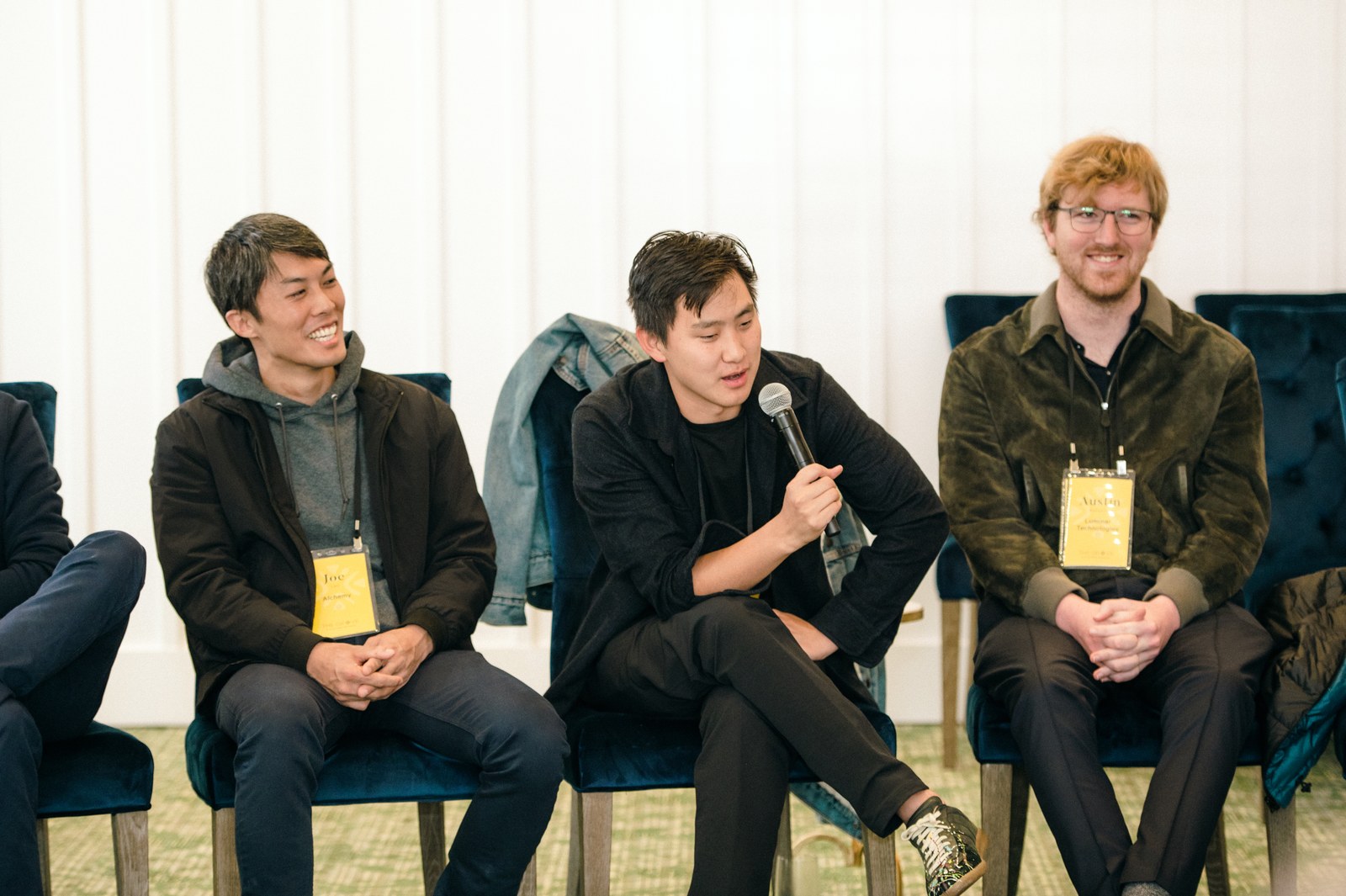
In August 2024, it was Character.AI's turn for the first time. Founders Noam Shazeer and Daniel De Freitas returned to Google with part of the research team, and Google took a non-exclusive license to the startup's models. The Wall Street Journal put the price at about $2.7 billion. Most of the staff stayed behind to keep the app running.
The checks got bigger in 2025. Google paid $2.4 billion in licensing fees to Windsurf, a maker of AI coding tools, and hired its CEO, Varun Mohan, and part of the team, Reuters reported. Meta paid about $14.3 billion for 49% of Scale AI, according to sources cited by the same news agency, and brought CEO Alexandr Wang in to lead its superintelligence push.
Who wins, and who's left holding the shell
The buyer takes what it wants and leaves what it doesn't, and Character.AI shows it twice. In 2024 Google got the founders and the technology, while the startup kept the app, the users and the liabilities. Those included lawsuits from families over child safety, five of which the company agreed to settle this year, according to CNN. Hiring the staff doesn't make Disney responsible for those suits or for the company's debts. They stay with the bankrupt shell.
Users barely figure in these deals. Disney's bid keeps the app running through the bankruptcy, and Character.AI says it will be wound down if no sale closes by year-end. Nothing published so far says what happens then to the years of conversations, many of them deeply personal, that millions of people have typed into it.
Employees who stay don't fare much better. Windsurf had about 250 people when Google hired away its leaders, and those who had joined within the past year got nothing from Google's payment, TechCrunch reported. Cognition bought what was left and gave every remaining employee a financial stake, but it chose to. At Scale AI, weeks after Meta's money landed, the company cut 200 full-time jobs and ended work with 500 contractors, as three U.S. senators pointed out in a letter to the FTC and the Justice Department.
Big investors usually do fine. At Windsurf, Google's licensing fee gave backers liquidity without forcing them to sell their stakes, according to Reuters. The people who negotiate the deal come out ahead. The risk lands on everyone who wasn't at the table: users, employees without an offer and small shareholders whose stake now depends on what a hollowed-out company is worth.
Regulators show up after the team is gone
In the U.S., an acquisition worth more than $133.9 million has to be reported to the FTC and the Justice Department before it closes, so they can stop it if needed. A hiring deal with a license attached isn't filed as an acquisition. FTC Chairman Andrew Ferguson acknowledged in January of this year that some tech companies had closed these deals without notifying regulators, according to an analysis by the law firm Mintz.
The reviews that did happen came after the teams had already switched badges. The FTC subpoenaed Microsoft and Inflection in June 2024, three months after the hires. The Justice Department began looking at Google's Character.AI deal in 2025, as Bloomberg first reported and Verdict summarized. Only Britain's competition watchdog, the CMA, reached a ruling. In September 2024 it decided the Microsoft-Inflection arrangement was a merger, because after the staff transfer the two businesses were no longer distinct, and then cleared it because Inflection wasn't a strong competitor. That decision came six months after the hires, when it could no longer change anything.
The best case for acquihires
The other side has a real argument. Blocking a company from hiring an entire team would mostly hurt the workers, and many of these startups weren't going to make it on their own. Google's licensing fee gave Character.AI the money to keep going for two more years.
No one is proposing to stop an engineer from changing jobs. The problem starts when a company walks away with the team that made a product work, plus the right to use its technology, without the review or the obligations it would face if it bought the business. AMD, for example, agreed to buy World Labs for $8.2 billion and has to wait for regulators before it can close. Split that same amount into salaries and a license, and nobody would have had to wait.
What should change
Two rules would fix most of this. First, when a company hires another firm's founders or most of its technical staff and also pays for its technology, the deal should be reported as an acquisition, under the same thresholds and timelines. That's how the CMA handled Inflection, and it's what the guidance Ferguson has floated for the FTC should say plainly.
Second, protect the users. If a deal strips a service that holds personal data of its team, the buyer should guarantee that every user can download their conversations or have them deleted before the service shuts down or changes hands. Laws such as California's privacy statute and Europe's GDPR already grant rights like these, but they mean little when the company responsible is in bankruptcy and its engineers work somewhere else.
Disney is free to hire whoever it wants. But a company that takes the team behind a service used by millions should also take on the duty not to leave those people hanging. Until regulators demand that, the cheapest and safest way to buy an AI company will be not to buy it.
The conversation starts here
Sign in with a supporter account to comment. Sign in
Nobody has commented yet. Want to go first?