A time machine for your eye
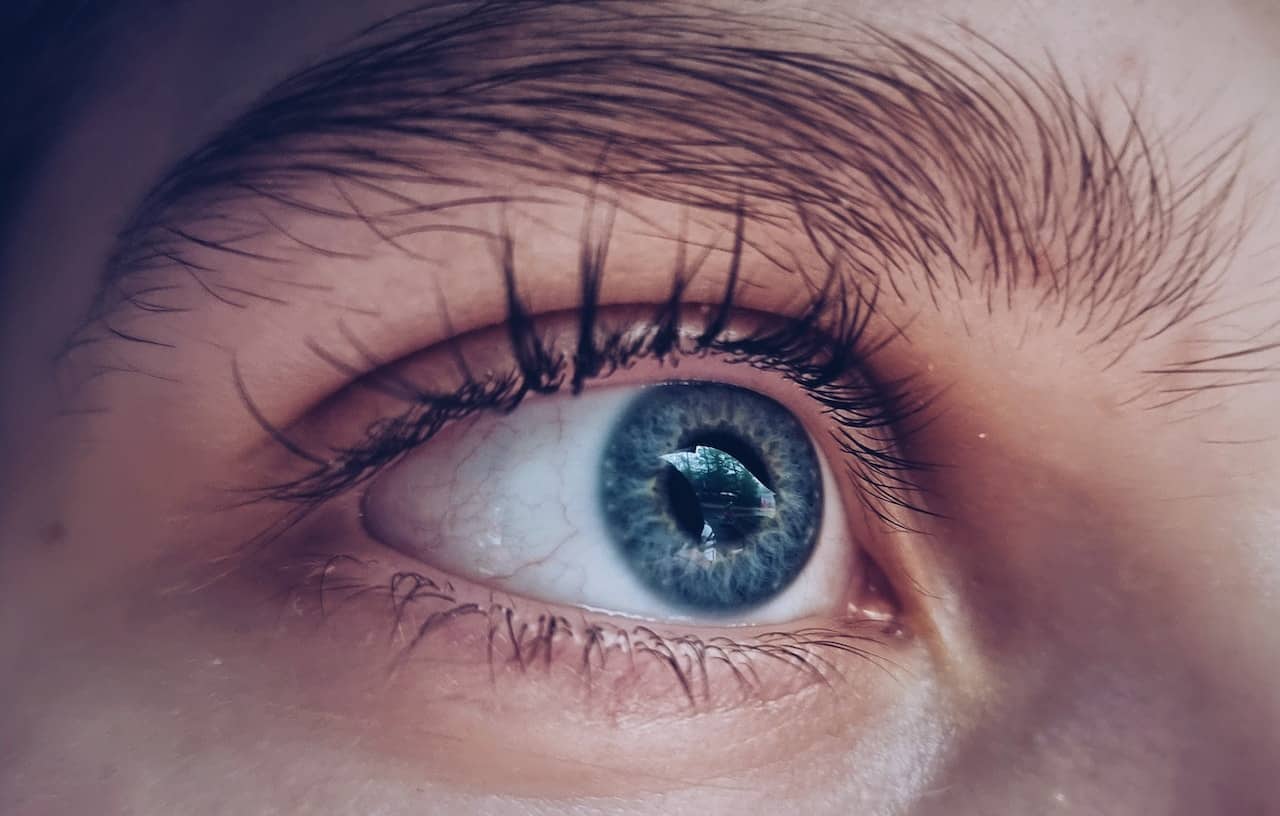
For the first time, a person is carrying a treatment explicitly designed to rejuvenate human cells. Not their whole body, but a small population of cells in one eye. If it works, they will not wake up ten years younger. Damaged tissue may recover some of what age had taken away.
The treatment is called ER-100, but its name is the least interesting part. It starts from a simple idea: ageing cells do not merely accumulate damage. They also become worse at reading their own instructions. Genes switch off when they should remain active, others come on at the wrong time, and the cell gradually stops doing its job. ER-100 is an attempt to remind it how it worked when it was younger.
It does so by temporarily activating three genes called OCT4, SOX2 and KLF4. The acronyms are not the point: they are biological switches capable of pushing a cell towards a younger state. Doctors injected one dose into the first participant's eye on 9 June. A familiar antibiotic, doxycycline, keeps the treatment switched on for eight weeks. Stop taking it and the signal stops too.
The trial plans to enrol up to 18 people aged 40 to 85: twelve with open-angle glaucoma and six with non-arteritic anterior ischaemic optic neuropathy, a sudden injury to the optic nerve for which no approved treatment exists. Each participant receives one dose in one eye, leaving the other as a useful comparison with the disease's normal course.
We do not yet know whether it will restore sight. This first trial is chiefly about finding out whether the treatment causes harm. Even so, it is the first time this form of cellular rejuvenation has been attempted inside a human being. After years of tests in mice, it is time to find out what happens in a person.
A rejuvenated cell can also forget what it is
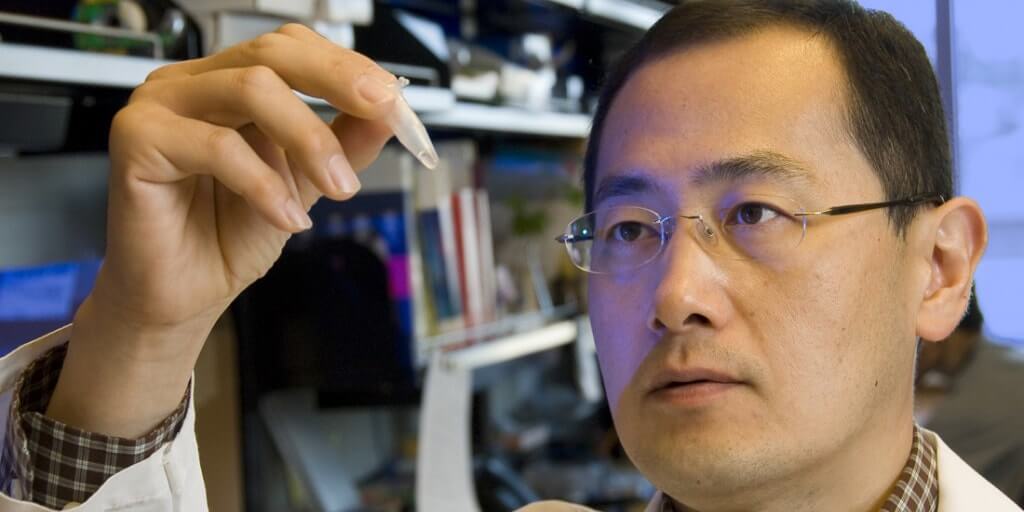
The treatment's three genes belong to the Yamanaka factors. In 2006, Japanese researcher Shinya Yamanaka showed that an adult cell could be returned to something like a stem-cell state, capable of becoming almost any tissue again. The discovery earned him a Nobel Prize and exposed a remarkable possibility: cellular age was not necessarily a one-way journey.
It exposed the danger too. Push the process too far and a cell can lose its identity. A neuron stops behaving like a neuron; a skin cell forgets that it belongs to skin. If it then starts dividing without restraint, the supposed rejuvenation can end in a tumour.
ER-100 tries to stop the rewind before that point. It uses three factors while leaving out c-MYC, which is linked to cell proliferation and cancer risk. Doxycycline makes the process controllable. The aim is not to wipe a cell clean, but to straighten out some of the instructions that have become confused with age.
The defining demonstration arrived in 2020. A study published in Nature found that the same OSK combination restored youthful DNA-methylation patterns, encouraged axon regrowth and recovered vision in aged mice and animals with glaucoma-like damage. It suggested a provocative possibility: an old cell may not have lost every record of its youth. It may still hold the information while no longer knowing how to use it.
The trial can succeed without restoring anyone's sight
Before asking whether the eye has become younger, researchers need to know whether the treatment can be used without causing harm. Life Biosciences will measure visual acuity, field of vision and other changes, but this first phase is primarily designed to find adverse effects and watch what happens after the genes are switched off. Participants will be assessed at six months and monitored for safety for five years. With gene therapy, a problem that arrives late still belongs to the result.
The useful part is that researchers can treat one eye and compare it with the other, inspect the retina without opening the body and work inside a relatively contained organ. There is a clear medical need too: lowering eye pressure can slow some glaucoma, but it cannot repair retinal ganglion cells that have already died or rebuild their connection to the brain.
If ER-100 proves safe and produces a hint of recovery, it will not amount to a cure for ageing. It will justify testing the same principle in other tissues. Life Biosciences already talks about extending its platform to more organs, while other companies are developing their own versions of partial reprogramming. That also touches the difficult territory covered in our reporting on AI, biology and biosecurity: as our control over cellular instructions grows, who gets to rewrite them — and under what evidence — matters just as much as what becomes possible.
How we will know whether it really worked
This trial could generate years of headlines before it produces a firm answer. We will track four things: adverse effects, whether the cells remain retinal cells, whether their biological signals look younger and, finally, whether the patient can see better. Safety alone does not mean the treatment works. A treatment that works but is not safe is not a treatment either.
No initial data have been published, and there is no official timetable for clinical results. Full enrolment may take time. That gap will attract grand promises, investment pitches and immortality headlines long before the study can support them.
INSERT FUTURE is techno-optimist. We believe technology and artificial intelligence can profoundly improve people's lives. That is why we examine every advance carefully instead of surrendering to grandiose headlines. Even so, it is difficult not to feel excited by a future in which you and I might become modern vampires: people who die only when they decide to.
The conversation starts here
Sign in with a supporter account to comment. Sign in
Nobody has commented yet. Want to go first?