
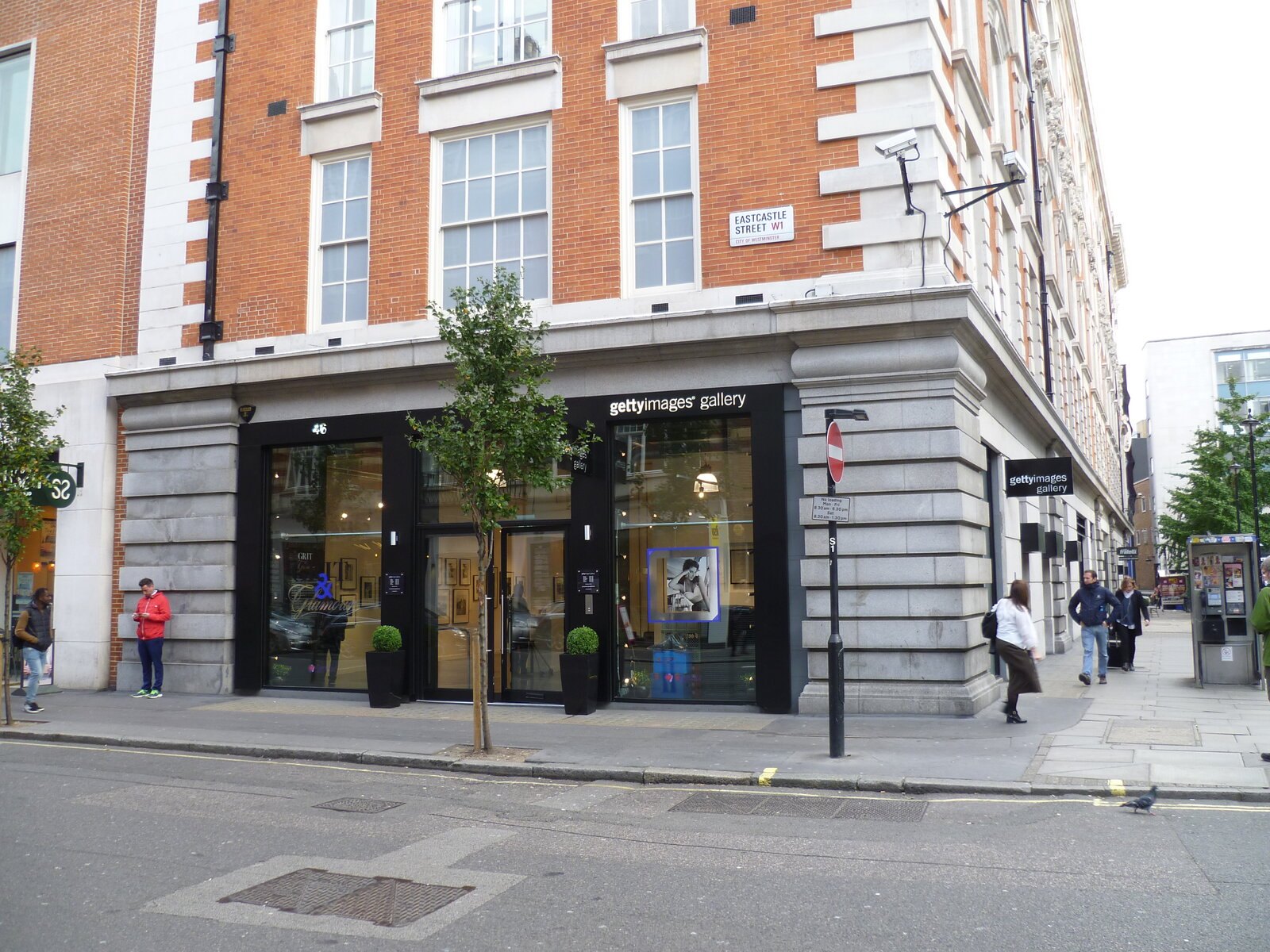
Getty Images, the world's largest photo agency, said on Monday, Oct. 12, that it will file for Chapter 11 bankruptcy protection in the coming weeks. If the plan goes through by year-end, as Getty expects, the company will leave the stock market and be wholly owned by the Getty family and Koch Equity Development, the investment arm of the Koch conglomerate. The two are committing up to $533 million in new equity. Getty says employees, photographers and customers will not see any change.
Plenty of coverage has called this the first big casualty of generative AI. Getty makes no such claim. Its official announcement, filed with the SEC, is about debt, creditors and timelines, and none of the executive quotes in it mention artificial intelligence.
Chapter 11 in plain terms
Chapter 11 lets a company that cannot keep up with its debts stay open while it renegotiates them under a bankruptcy judge's supervision. It is not a liquidation, which is Chapter 7, where assets are sold to repay creditors.
Getty's filing is also prepackaged. Its main creditors have already agreed the plan and committed to vote for it, so the process tends to take weeks rather than years. Holders of 83.5% of the unsecured bonds will retire $270 million of debt, roughly 89% of secured lenders accept lower interest and longer repayment dates, and Koch will provide up to $143 million to fund the business during the case.
Shareholders fare worst. The announcement warns they may receive nothing, and GeekWire reports they are expected to lose their investment. The New York Stock Exchange halted trading on Sept. 29 with the stock at 12 cents.
What photographers and customers should expect
Getty says it anticipates no impact on employees, content contributors, partners or customers anywhere in the world. In practice, Getty Images and iStock keep selling licenses, contributors keep receiving royalties on the usual schedule and licenses already bought remain valid. No layoffs are planned for a workforce of about 1,650 people, according to GeekWire.
There is one caveat. Chapter 11 allows a company to choose which contracts it keeps and which it rejects, and the detailed plan has not been filed in court yet. Until it is, no outsider can check how it treats each contributor or customer contract.
How debt sank Getty
In January 2025, Getty agreed to buy its biggest rival, Shutterstock, in a $3.7 billion merger, and that October it sold $628.4 million of bonds at 10.5% interest to pay for it, according to PPC Land. Getty walked away in summer 2026 after the U.K. competition regulator demanded that Shutterstock sell its editorial business.
In the second quarter of 2026, Getty paid $57.3 million in interest while its operating income, what the business earns before servicing debt, was $32.4 million. Selling photos no longer covered the interest bill. Reuters puts total debt at about $2.1 billion as of June 30.
AI shows up elsewhere in the numbers. Creative revenue, the generic images bought for ads and websites, fell 2.6% to $127.4 million in the quarter. Editorial, covering news, sports and entertainment, grew 9.2% to $96.5 million. Getty is losing ground where a generated image, increasingly hard to tell apart from a real photo, can replace a catalog shot, and growing where someone has to be there with a camera.
How much AI is to blame
Reuters attributes Getty's troubles to heavy debt and growing competition from AI-generated imagery. Xataka, a Spanish tech site, headlined it as the first major legacy company to fall because of AI, while acknowledging in the body that Getty does not say so. RedShark News argues that AI is a headwind but that debt and the failed merger pushed the company over the edge.
INSERT FUTURE reads it the same way as RedShark. Getty's business still earns an operating profit, but not enough to cover interest on debt that grew mostly because of a merger that never closed. AI explains why the creative side cannot grow its way out, but the bond payments set the bankruptcy timeline.
Where the Stability AI lawsuit stands
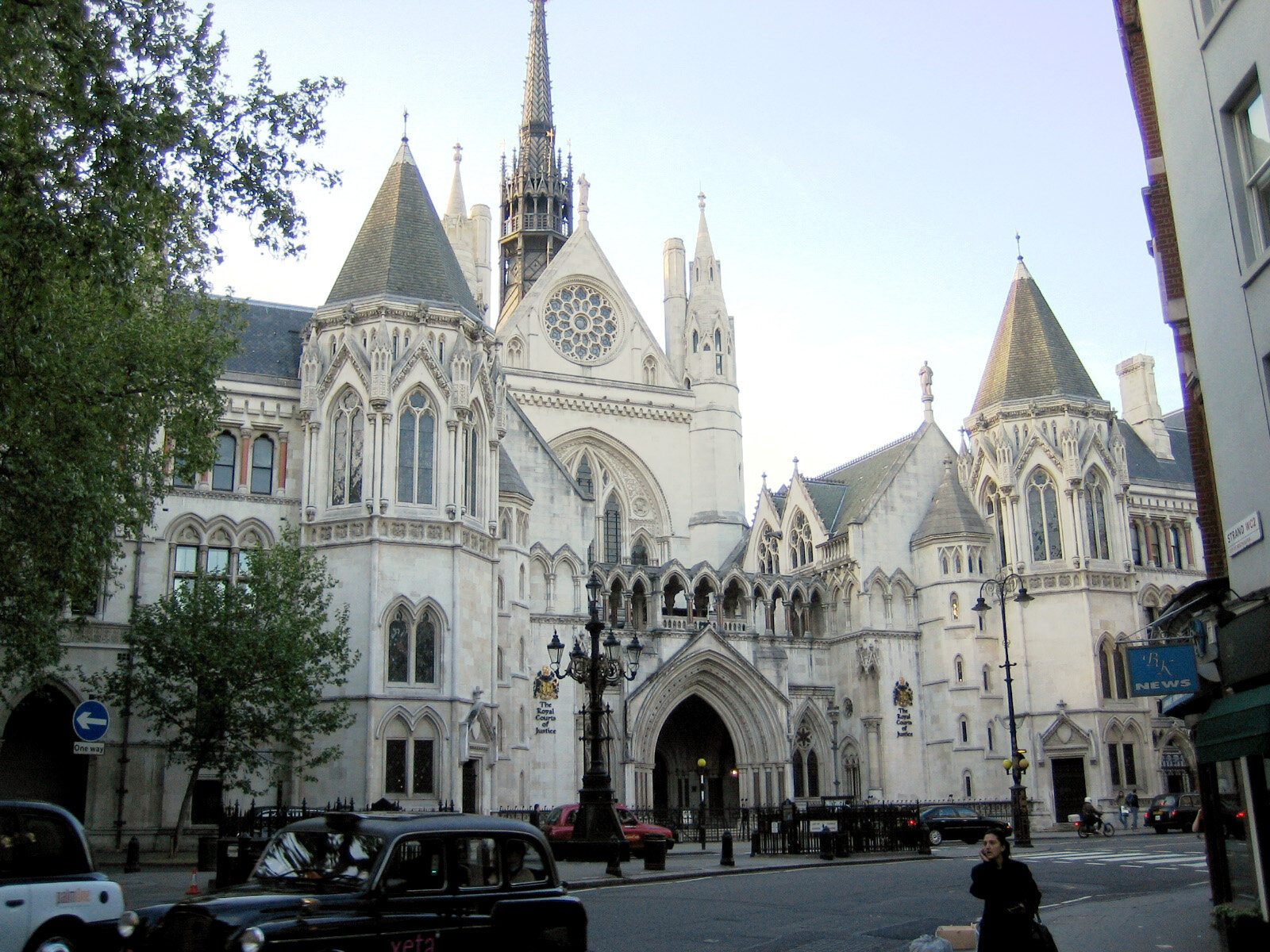
In January 2023, Getty sued Stability AI, maker of the Stable Diffusion image generator, for training it on millions of Getty photos without permission. It lost in the U.K. Getty dropped its direct training claim during the trial because the training happened abroad, and in November 2025 the High Court of England and Wales rejected its remaining copyright claim, that the model itself was an infringing copy. Getty won only a narrow trademark point over watermarks reproduced by early versions of the model. It was granted permission to appeal in December, according to the law firm Burges Salmon.
The U.S. case is still alive. Getty refiled it in federal court in California in August 2025, alleging Stability copied more than 12 million photographs, and in April 2026 Judge Trina Thompson refused to dismiss most of it, according to Bloomberg Law. There is no ruling yet. Other AI companies have already lost in court, as when a German court ruled against Suno for memorizing songs from the GEMA catalog.
What is still unknown
Getty still has to file the plan in court in the coming weeks, and that document will show which contracts survive and on what terms. The company aims to exit by Dec. 31. The appeal against Stability is due to be heard in London in November, according to PPC Land, and will decide whether a model trained on someone else's photos can count as an infringing copy under U.K. law.
The conversation starts here
Sign in with a supporter account to comment. Sign in
Nobody has commented yet. Want to go first?