
The money: two lots, four big factories and three enormous ones
Europe has spent two years watching every AI model it uses get trained in American data centres, and yesterday it put its most expensive answer on the table: the European Commission and EuroHPC opened the official call to build up to seven AI gigafactories, facilities designed to train next-generation models without leaving the continent.
The total bill hovers around €30 billion: at least €20 billion has to come from private investment, with up to €10 billion in EU and national funds split evenly. The money is dealt out in two lots of different sizes. The first funds four projects with up to €100 million each in the initial phase and another €400 million in the expansion; the second, three projects that double the stakes, €200 million to start and up to €800 million more later. The budgetary small print exists too: Brussels has only committed the first €1 billion so far, with the rest depending on the EU's next financial framework.

To call yourself a gigafactory you must match Europe's current champion
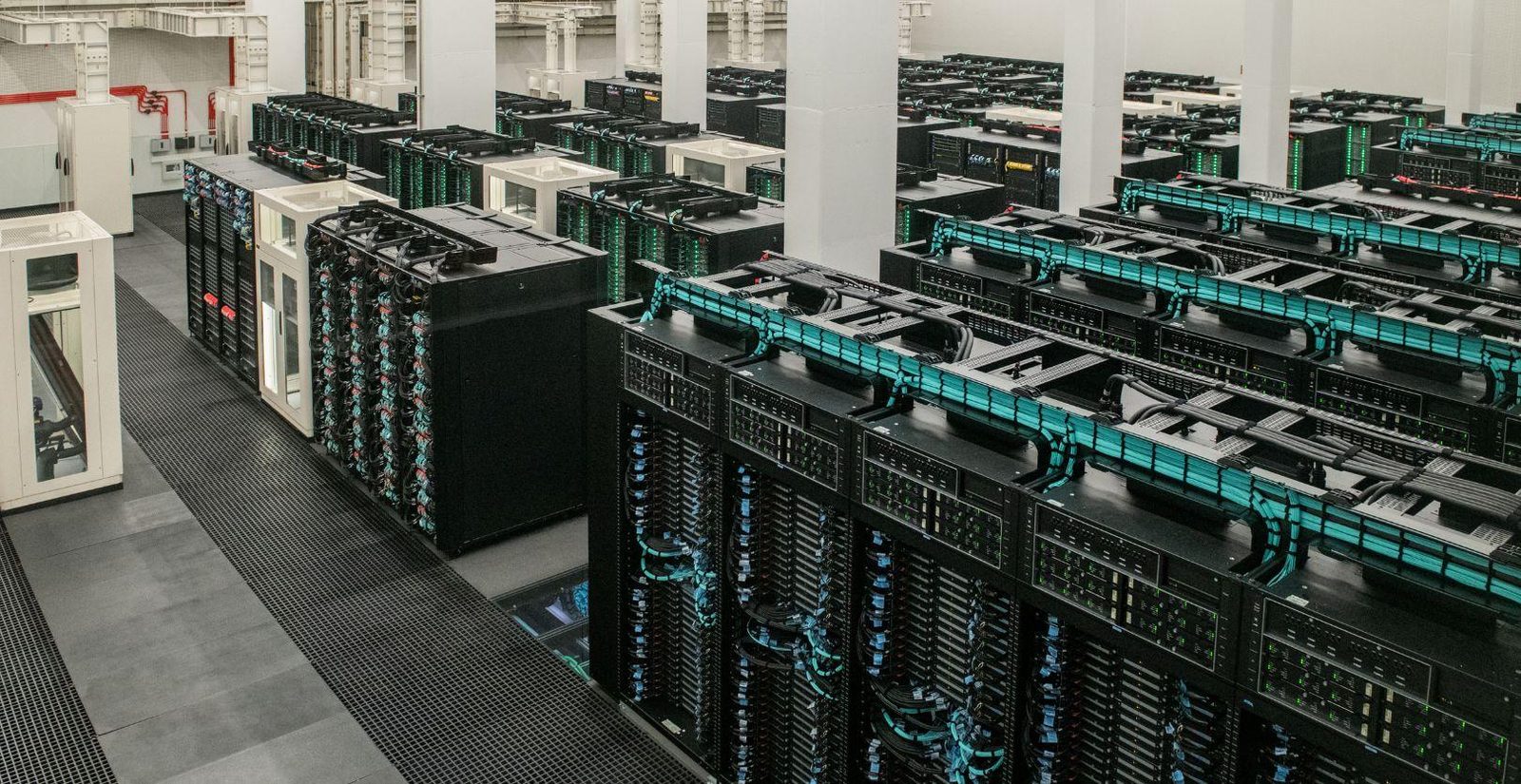
The technical bar is designed so nobody passes off an ordinary data centre: each gigafactory must install, at minimum, as many cutting-edge AI processors as the most powerful European installation in operation today, and scale up from there. In exchange, the clock is tight: winners get a maximum of 18 months from signing to have the machines running, with the first construction starting next year and the goal of being operational by mid-2028.
There is no shortage of interest. Before the formal call opened, 76 consortia had filed expressions of interest, and 18 member states have signed the joint agreement underpinning the programme. Henna Virkkunen, the Commission's executive vice-president for Tech Sovereignty, pitched it as 'a decisive step to strengthen the bloc's competitiveness', part of the plan to turn Europe into 'the AI continent'.
Spain is in the race, and so is half the continent
Ten countries have raised their hands to host one: Germany, Italy, France, Poland, Czechia, Denmark, Finland, Greece, Portugal and Spain, which starts with the advantage of already running one of Europe's major supercomputers in Barcelona. With seven slots and that list of contenders, someone is going home empty-handed, and award decisions won't arrive until early next year.
The backdrop is the usual one, with new numbers attached: while OpenAI trains models that get five times cheaper in American data centres and China builds its own, Europe rents someone else's computing power even for research. These seven factories won't close that gap overnight, though it is the first time the continent has put serious money into the part of the problem that actually decides things: the chips plugged into the wall.
The service calendar remains: bids until 12 November, awards early next year and an 18-month clock from signature to switch-on. For a continent forever accused of regulating faster than it builds, that's not a bad pace on paper.
The conversation starts here
Sign in with a supporter account to comment. Sign in

Nobody has commented yet. Want to go first?