Silicon Valley no laughs when another Chinese model arrives
Chinese models are no longer distant benchmark curiosities. Kimi K3 had to pause subscriptions after demand overwhelmed capacity, while DeepSeek, Qwen and GLM are entering real workflows because they are cheaper and good enough for a large share of business tasks.
INSERT FUTURE previously covered how Kimi K3 rattled Silicon Valley. What looked like another temporary DeepSeek-style shock is starting to resemble a broader shift.
America still has number one; China has made second place a bargain
Stanford's 2026 AI Index puts the gap between the leading US and Chinese models at only 2.7%. The US still produces more frontier systems and attracts far more private investment, while China leads in publications, citations, patent output and industrial robot deployment.
For routine coding, document processing and internal assistants, the best model in the world is often unnecessary. China's advantage is offering systems companies can download, adapt and run at a lower cost.
China is building the stack, not chasing the trophy
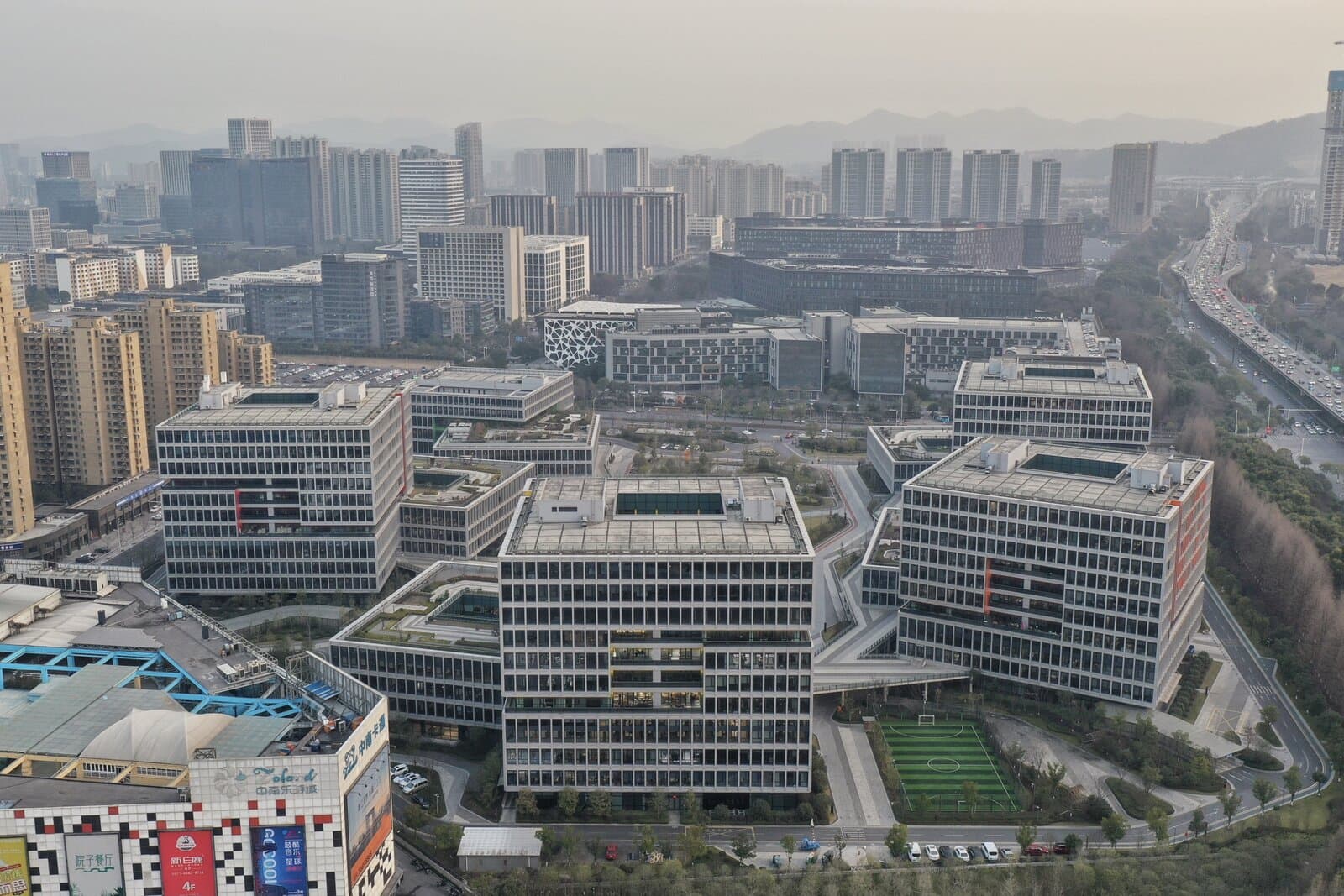
Alibaba combines Qwen models, cloud services, agents, developer tools and chips. Its Qwen-AgentWorld simulator shows the strategy clearly: own more layers of the infrastructure and make switching suppliers harder.
US chip controls remain a serious obstacle, but they have also pushed Chinese developers toward efficiency and open ecosystems. China may never dominate every benchmark. It may not need to. Staying close, charging less and spreading everywhere could be enough.
The conversation starts here
Sign in with a supporter account to comment. Sign in

Nobody has commented yet. Want to go first?