
The papers spell it out, names included
China's own military researchers put it in writing. Reuters' investigation, produced with the Washington-based Jamestown Foundation, reviewed more than 80 academic papers and patents featuring the People's Liberation Army's Unit 96941 — military intelligence and cyber warfare, based in Beijing — the National University of Defense Technology, the Academy of Military Sciences and North University of China, tied to the defence industry.
The described uses aren't theoretical: military software code analysis, image compression for aerial drones, target-recognition systems for simulated maritime operations with unmanned ships and submarines, and data generation for social media monitoring. Neither are the tools: OpenAI's GPT-3.5 and Anthropic's Claude 3 Haiku, two American models that in theory should be out of a Chinese military lab's reach.
All of it published in plain sight of anyone with access to an academic library.
The trick is called distillation, and you already know it
The technique is the one the DeepSeek case made famous: distillation — using a powerful model's answers as training material for a smaller, specialised model of your own. The Chinese researchers put it bluntly in their papers: it serves to 'narrow the technology gap with the United States' without having to build a frontier model first. The student copies the teacher's exams, and the teacher never finds out.
How they got access is the question the report can't fully answer: both OpenAI and Anthropic block their models from China and explicitly prohibit military applications. Between intermediaries and third-country accounts, the lock has proven to be more of a sign than a lock.
The paradox no sanction has solved
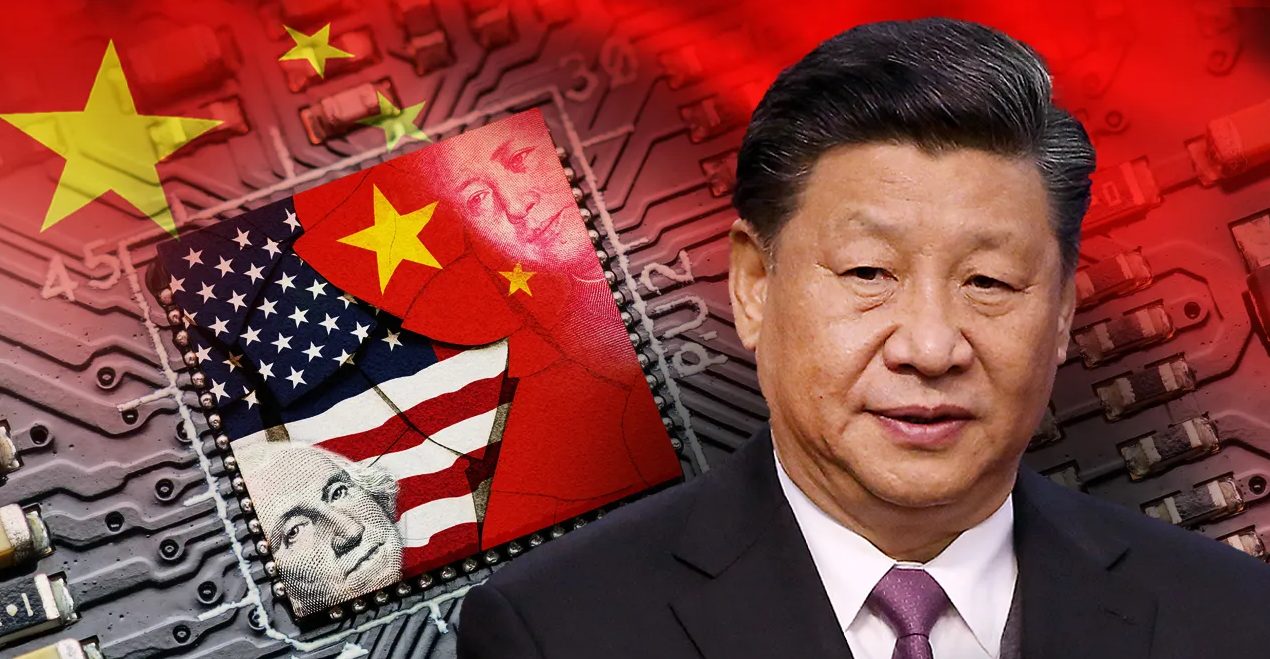
Washington has spent years cutting China off from Nvidia's chips, and meanwhile its language models — the race's other pillar — slip in through the back door in the form of chatbot answers. It's the same technological-sovereignty race Europe is trying to run with gigafactories, except this shortcut doesn't cost €30 billion: it costs a subscription.
The report leaves an uncomfortable picture for everyone. For Washington, because it shows the restrictions arrive late and through the wrong door. For the companies, because their terms of use are worth exactly as much as their ability to detect who's on the other side. And for everyone else, because the line between civilian and military AI has just been photographed as what it is: a checkbox ticked at sign-up.
The conversation starts here
Sign in with a supporter account to comment. Sign in
Nobody has commented yet. Want to go first?