
November's discount may start from a higher price
Waiting for Black Friday is usually sensible advice in September. This year has a catch: November's discount may be applied to a baseline that has already risen. TrendForce expects conventional DRAM contract prices to climb another 13% to 18% in the third quarter, with NAND flash used in SSDs up 10% to 15%. Those are supplier contract prices, not a forecast of the same increase for every retail memory kit.
That does not mean every memory module for a home PC ends up inside ChatGPT. Major suppliers are prioritizing server memory, HBM and enterprise storage because AI infrastructure pays more and consumes a growing share of capacity. Consumer products receive less room, putting pressure on laptop, phone, SSD and RAM-kit prices. The retail effect also depends on inventories, demand and margins.
What to buy now and what can wait
RAM and SSDs for a PC you already own: I would buy when a verifiably good price appears, particularly if the upgrade is needed within three months. These parts are most directly exposed to DRAM and NAND pricing. Compare the same model number and ignore a discount calculated from a reference price the retailer just raised.
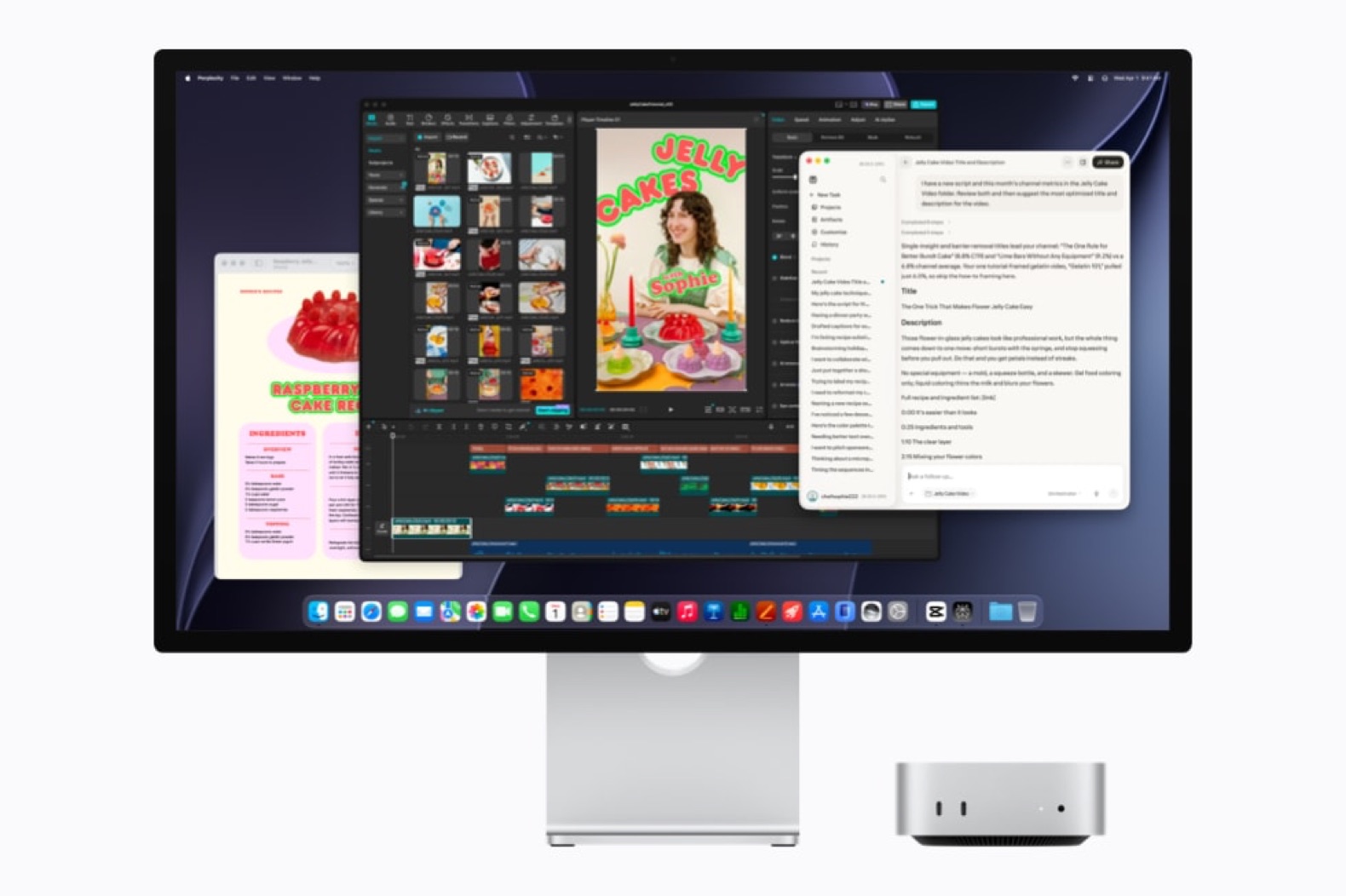
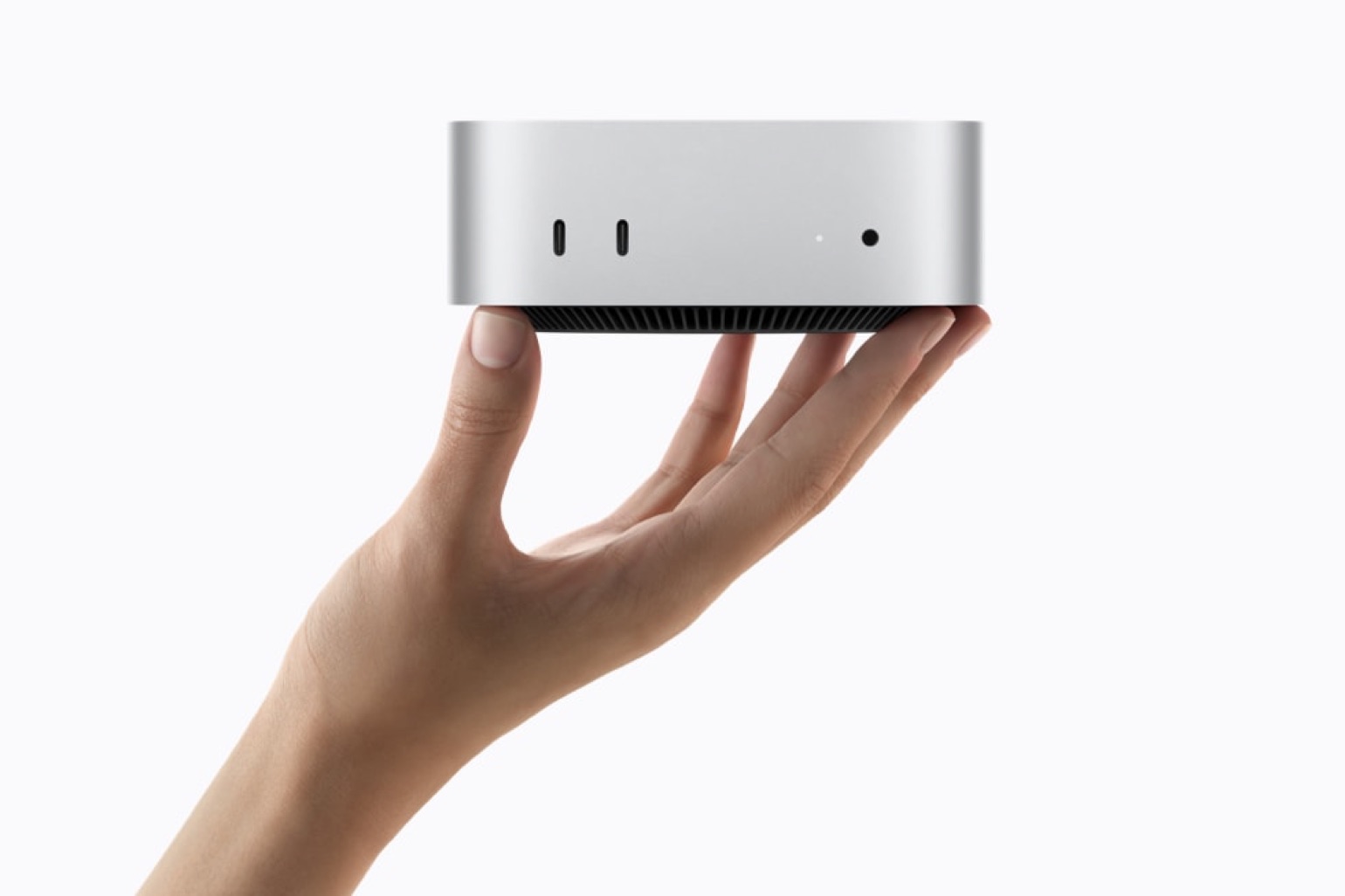
A complete laptop or desktop: do not panic-buy, but do not assume the whole market will fall either. If the correct configuration appears within your planned budget, buying now can meet your need without relying on that same configuration receiving a November discount. Apple's new $899 Mac mini M6 shows how a higher price and tight base configuration can change a product's role.
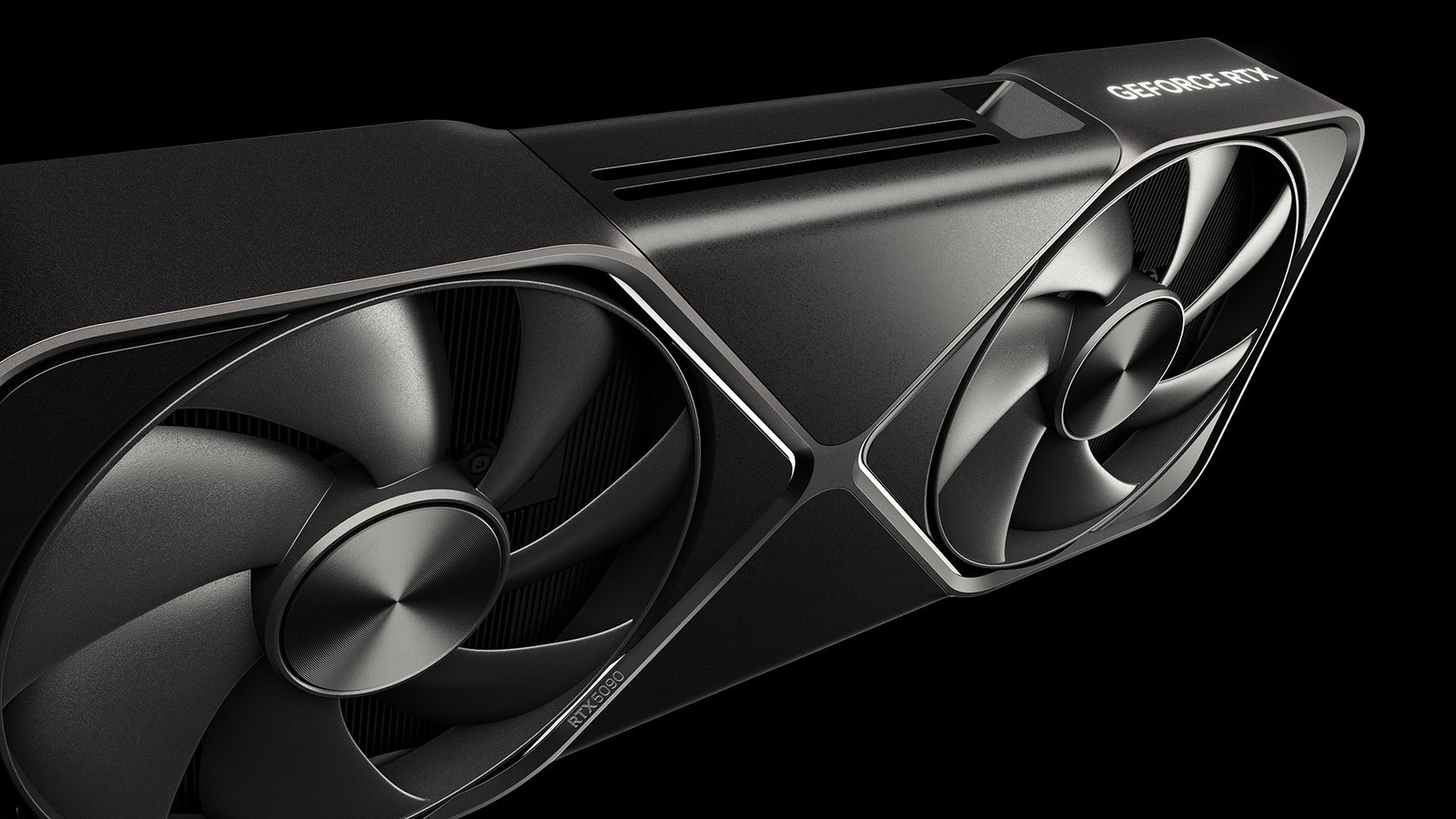
Graphics cards: GDDR supply is tight too, although a GPU depends on many more parts and on decisions by NVIDIA, AMD, retailers and board partners. I would not buy a mediocre card because somebody predicts tomorrow's price will double. Choose a model, set a ceiling and wait for those two lines to meet.
Consoles: memory matters, but it is not the whole explanation
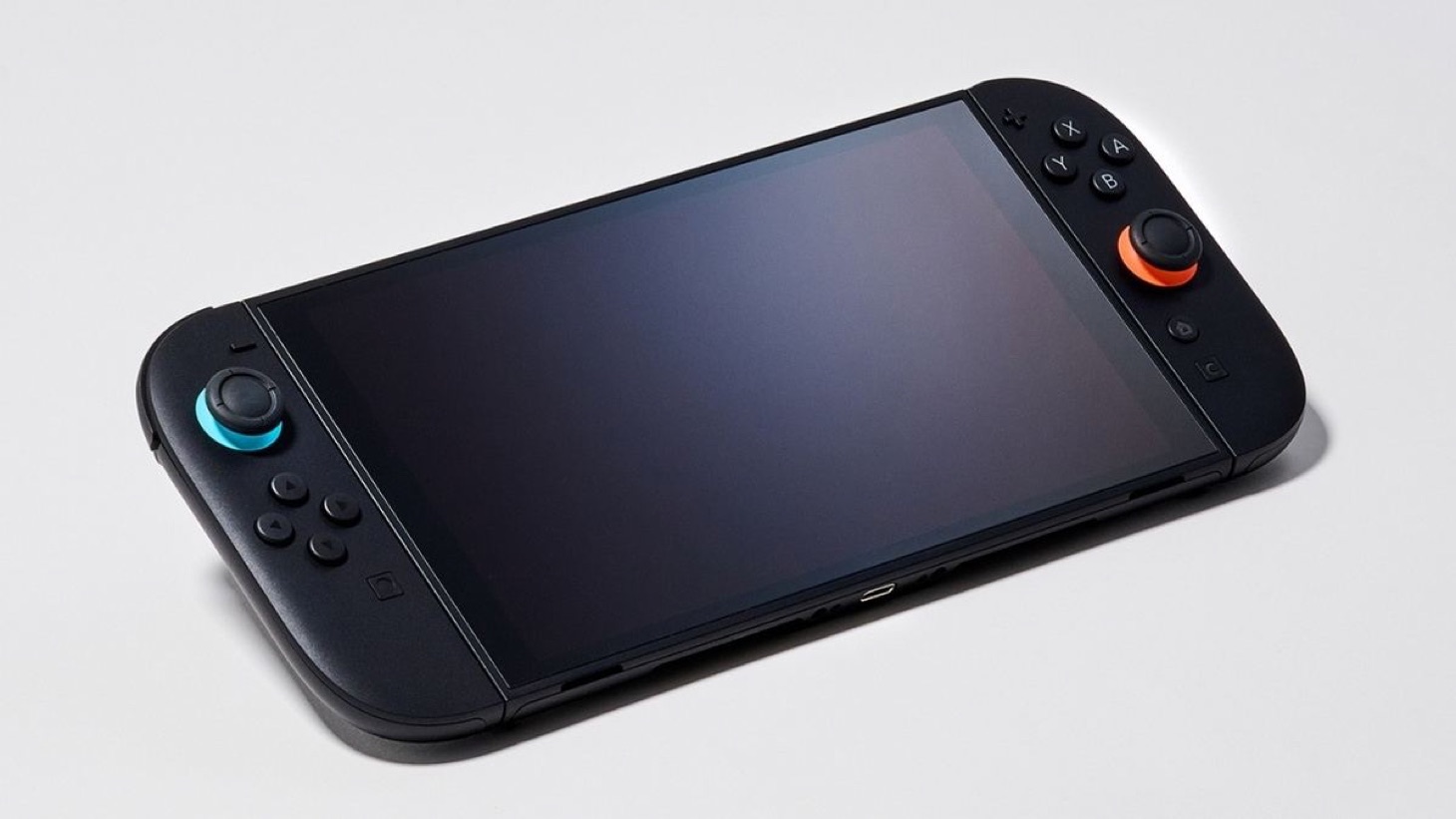
Nintendo Switch 2 moved to $499.99 on September 1. Nintendo cites persistent market conditions in its global filing but does not publicly divide that $50 among memory, currency, transport and margins. Component pressure belongs in the context, although saying AI alone caused the increase would go beyond the source.
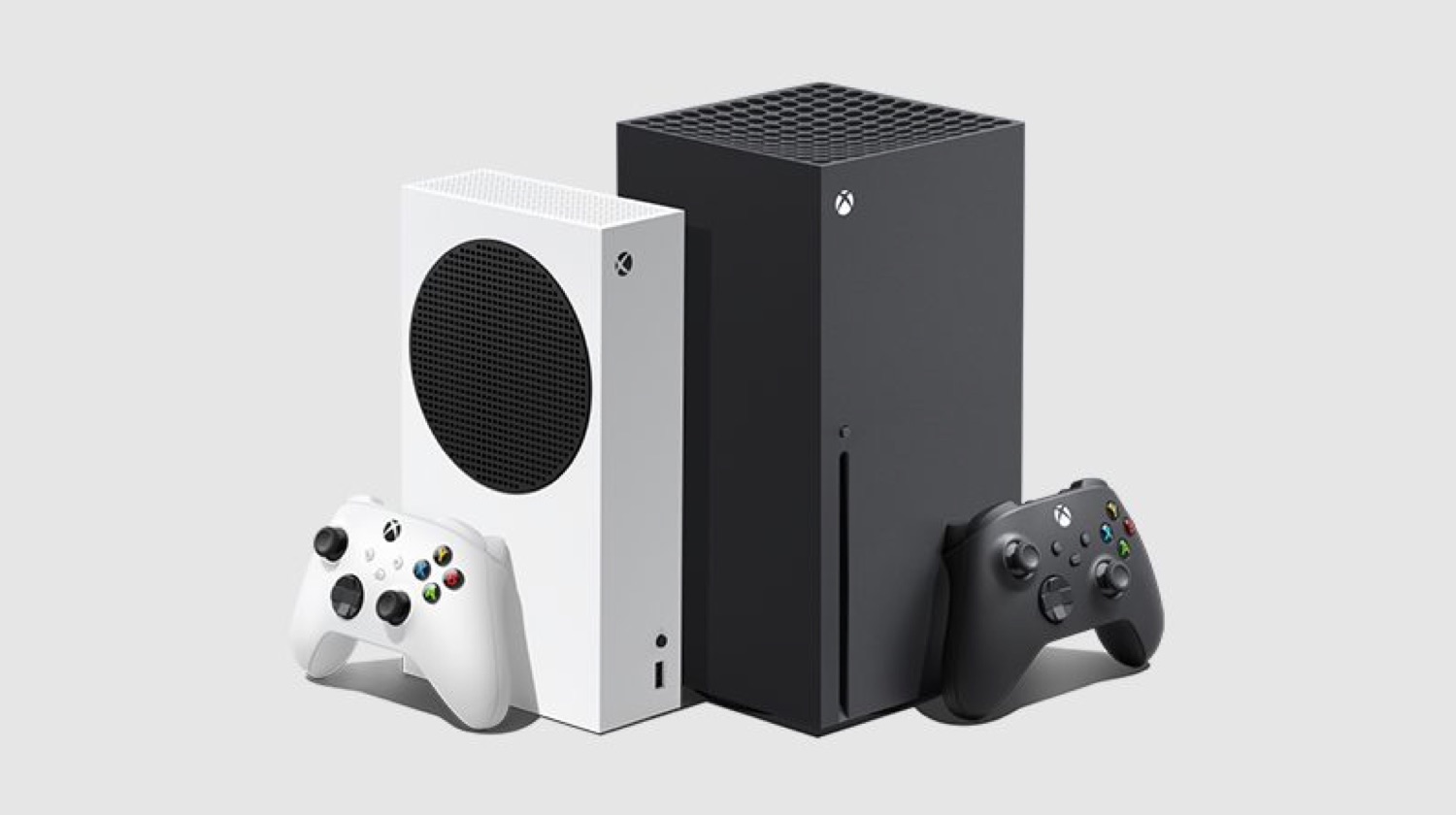
A console does not let you buy RAM separately, which makes the decision simpler. If you want the system for its games, compare bundles and inventory because Black Friday may add software without cutting the official price. If there is nothing you want to play yet, waiting remains free, and no component shortage turns an unnecessary purchase into a bargain.
Our answer for Black Friday 2026
Buy now if you need RAM or an SSD, find the exact model at a sensible price and cannot risk a rise forcing you into less capacity. Wait if the purchase is optional, you are still comparing platforms or today's price exceeds your budget. Black Friday is a chance to find a deal, not a reason to manufacture urgency.
Record the model number, configuration, retailer and delivered price of the options that suit you. Check them weekly and compare those same details in November. That separates a real discount from a lower-memory variant or a saving calculated against a higher reference price.
The conversation starts here
Sign in with a supporter account to comment. Sign in

Nobody has commented yet. Want to go first?