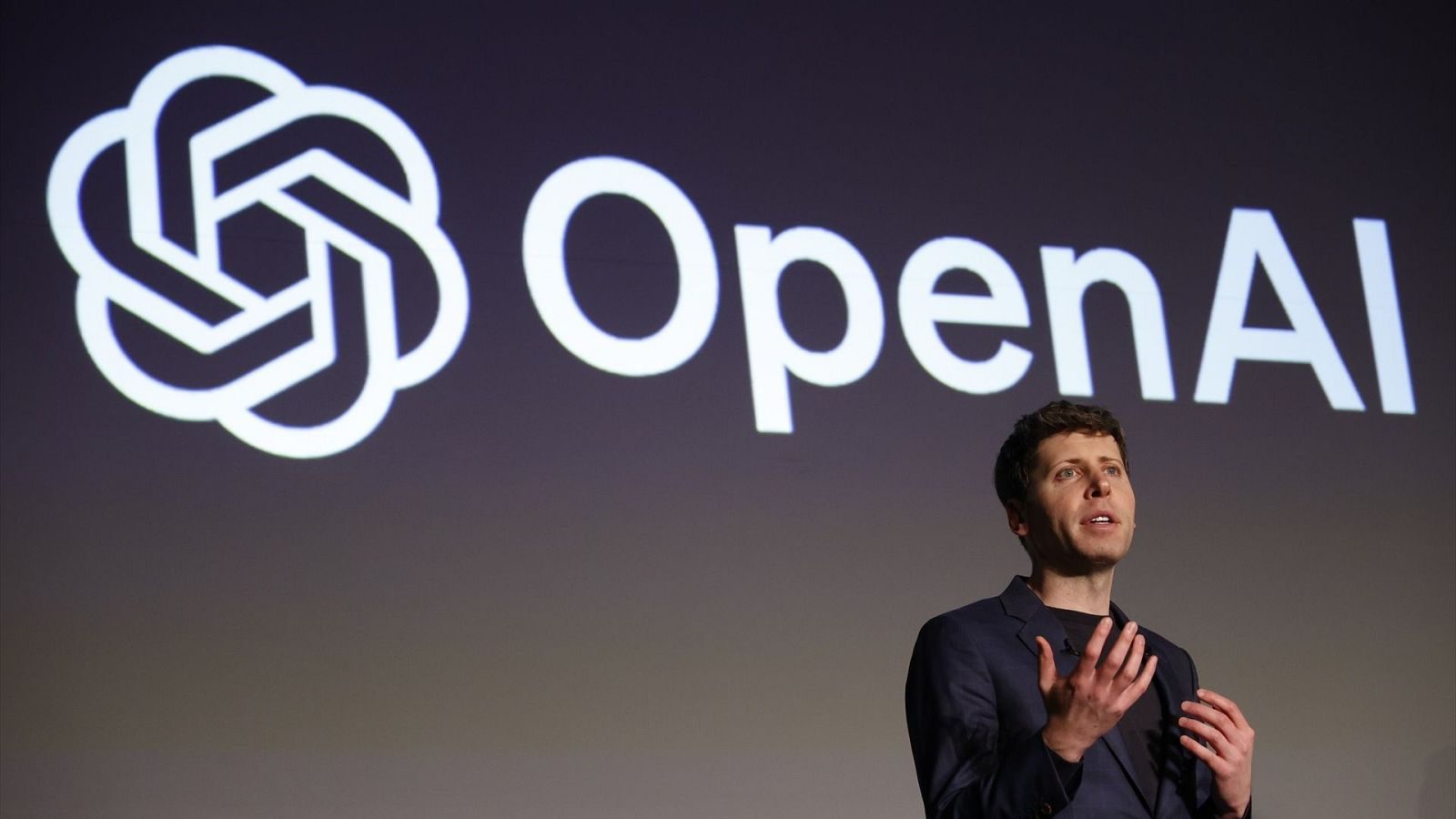
The investment closed early, without waiting for any of its conditions
The money arrived in three tranches, and the last one didn't even wait for its own conditions. According to the filing dated 31 July, Amazon paid $15 billion in the first quarter, $13.7 billion in the second and the remaining $21.3 billion after 30 June. The Information had reported that the final payment was tied to OpenAI going public or reaching artificial general intelligence; neither has happened and Amazon paid anyway, without explaining why.
In exchange it keeps roughly 5% of the company and the label of core strategic shareholder. It's the largest investment in Amazon's history, and the most revealing one: when someone advances $21.3 billion without their own clauses being met, arriving late must have looked more expensive.
What Amazon really bought isn't the 5%: it's Frontier's cloud
The stake is almost beside the point. The heart of the deal makes AWS the sole external cloud for Frontier, the platform OpenAI wants companies to use to build and manage teams of AI agents — the same direction GPT-5.6 was already pointing at. The contract expands the previous $38 billion infrastructure agreement to around $100 billion over eight years, with OpenAI committing to use up to 2 gigawatts of Trainium capacity, Amazon's own AI chips.
Read it again: the agents OpenAI sells to companies will run in Amazon's data centres, on Amazon's chips, paid for with money Amazon put in. The 5% is the bow on the package.

Microsoft opened the door in April, and its biggest rival walked through it
None of this was possible a year ago, when Microsoft held de facto exclusivity over OpenAI's cloud. April's renegotiation of that contract cleared the path, and Amazon has sprinted down it: from barred provider to exclusive cloud for the agents product in three months. Microsoft keeps its stake and its rights over the models, but the message is hard to disguise: the exclusivity that defined OpenAI's first era is gone, and the company filling that space is the rival with more data centres than anyone on the planet. OpenAI, meanwhile, gets paid by both giants at once and keeps collecting patrons, with Europe building gigafactories precisely to depend on none of them.
If the model belongs to OpenAI, the cloud to Amazon and the money to everyone, whose future exactly are they building?
The conversation starts here
Sign in with a supporter account to comment. Sign in


Nobody has commented yet. Want to go first?