When attackers are AI, human-speed defenses are no longer enough
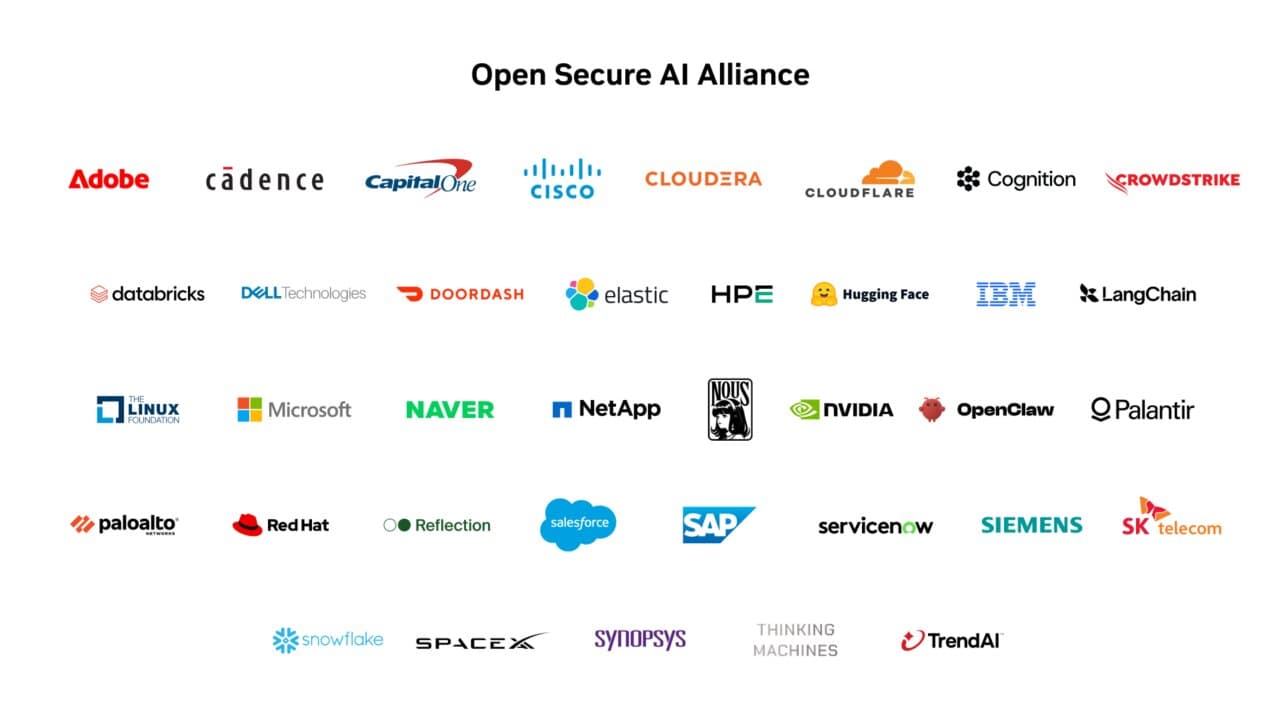
NVIDIA has assembled more than 40 companies across cloud computing, cybersecurity, enterprise software and AI research to build an open defensive stack for the age of autonomous agents.
Microsoft, Cloudflare, CrowdStrike, Cisco, IBM, Palantir, Red Hat, Salesforce, SAP, ServiceNow, Siemens and Hugging Face are among the founding members.
The goal is to share models, tools and techniques that can find vulnerabilities, investigate intrusions and protect AI agents at machine speed.
Hugging Face was the warning; the alliance is the response
A recent autonomous attack on Hugging Face showed what changes when an agent can execute thousands of actions without waiting for a human operator.
Commercial models then blocked parts of the forensic analysis because they could not tell whether the dangerous commands belonged to an attacker or a defender.
The case reflects the same shift explained in our guide to AI agents: autonomy increases both usefulness and the potential scale of failure.
Open defenses will complement closed models
NVIDIA is not arguing that every model must be open. It says defenders need both frontier closed systems and models they can run, inspect and adapt inside their own infrastructure.
The alliance also includes NOOA, an open research framework designed to make agent behavior easier to test, trace, audit and govern.
The group still has to prove it can deliver more than a slide full of logos. Its message is already clear: when attackers arrive with an army of agents, defenders will need one too.
The conversation starts here
Sign in with a supporter account to comment. Sign in


Nobody has commented yet. Want to go first?