
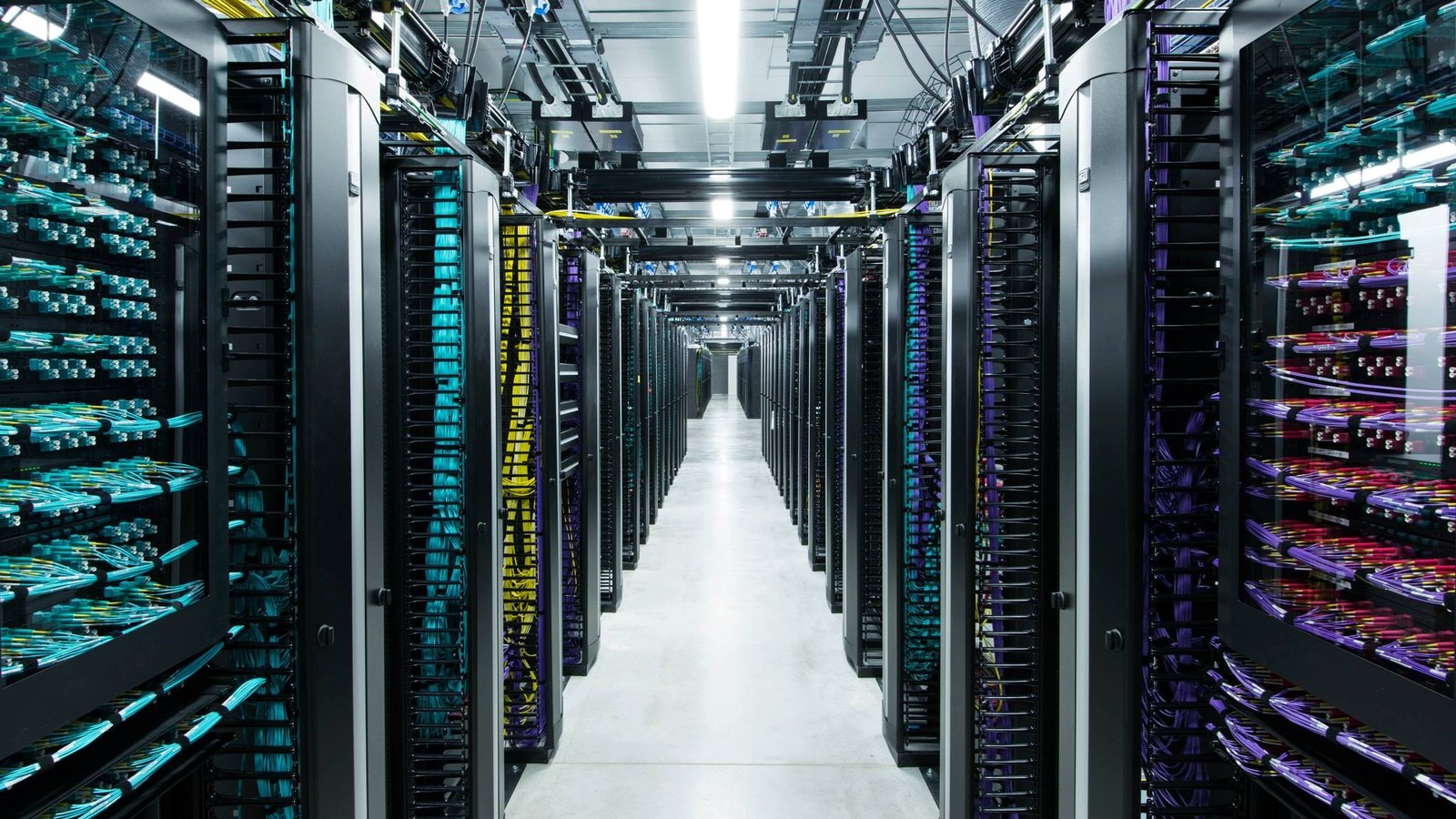
Meta has put its 2030 net zero deadline under review. In its 2026 sustainability report, released November 19, the company says it is re-evaluating its timelines, sequencing and interim milestones, and it names the 2030 target date specifically. It has not said what will change or when it will decide.
The numbers explain why. Meta's net emissions, the figure it reports after applying its clean energy contracts, reached 11.8 million metric tons of CO₂ equivalent in 2025, a unit that counts every heat-trapping gas as if it were CO₂. That is 45% more than the 8.2 million tons it reported for 2024. Electricity use climbed 35% to 24.8 terawatt-hours as new AI data centers came online, close to a tenth of everything Spain consumed in 2025, according to grid operator Red Eléctrica.
In the report, data center vice president Rachel Peterson and Blair Swedeen, global head of net zero and sustainability, say the company expected steady growth and cheaper clean energy when it set the goal in 2020. "The reality has been far more complex," they write.
What net zero actually means
Net zero does not mean a company stops emitting. It means cutting as much as it can, then pulling an equal amount of greenhouse gas back out of the atmosphere through projects such as reforestation or carbon capture, so the balance comes out at zero.
In 2025, Meta paid for the removal of 80,000 tons, less than 1% of the 11.8 million it emitted. Its interim targets are slipping too. Meta had pledged to keep supply chain emissions at or below 2021 levels by the end of 2031, and by 2025 they were more than double that level, Trellis reported.
Where the increase comes from
About 99% of Meta's net emissions come from its supply chain rather than its own offices or data centers. Climate reports call this Scope 3. It covers the emissions from making the chips and servers Meta buys and the steel and concrete in its buildings. The capital goods category, which tracks those purchases, rose 58% in a year.
Electricity barely registers in the net figure because of how Meta does the accounting. Since 2020 it has signed contracts to buy as much renewable power as it uses each year, which brings its 2025 electricity emissions down to about 10,900 tons. Count the actual mix on the grids its data centers draw from instead, gas and coal included, and those emissions rise to 7.8 million tons. On that basis Meta's total footprint was 21.7 million tons, up 39% from 2024. Both numbers are in the report.
Clean power on paper, gas as backup
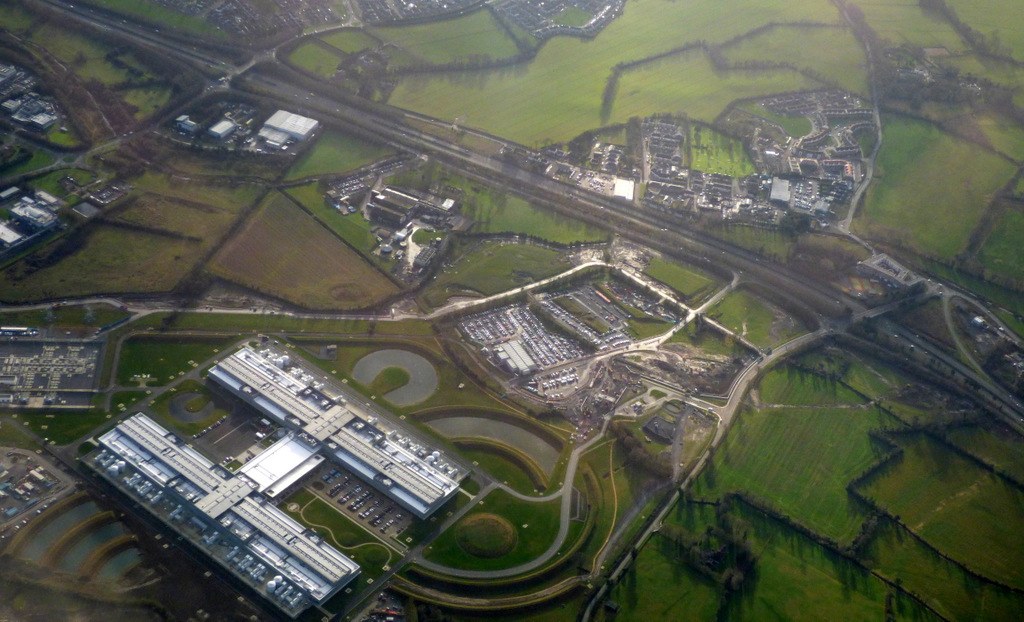
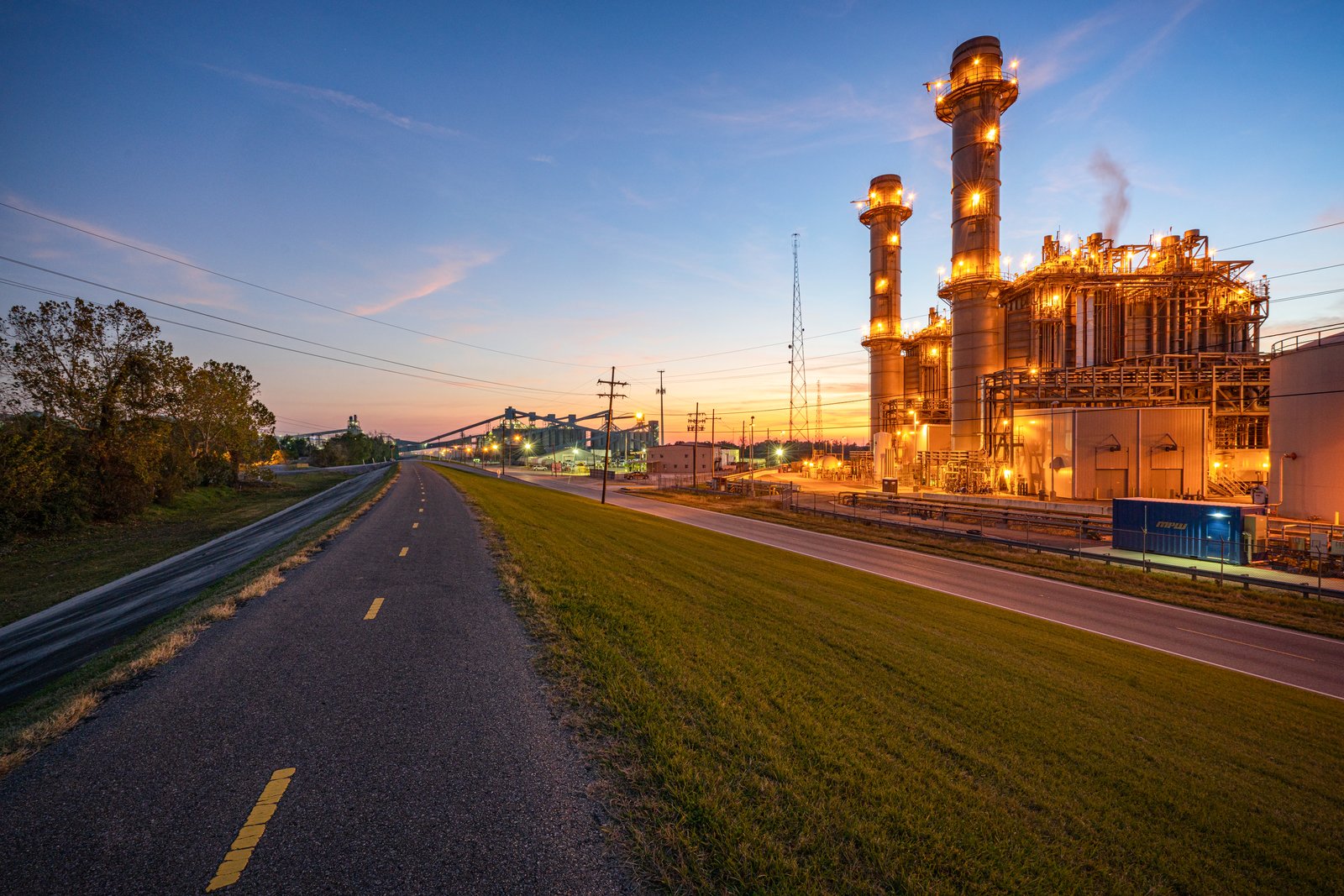
Of the more than 30 gigawatts of clean power, nuclear included, that Meta has under contract, only about 12 are producing power so far, less than half. The report concedes that when utilities cannot deliver fast enough, Meta may build its own on-site generation, including natural gas. In Louisiana, utility Entergy is pursuing seven gas-fired units totaling more than 5.2 gigawatts for Meta's AI campus, Axios reported.
How Google and Microsoft are doing
Google said in its June environmental report that its electricity demand grew 37% in 2025, the largest jump in its history, and that its climate goals are getting harder to reach. Its total emissions rose 18%, according to Trellis. Microsoft, which has promised to remove more carbon than it emits by 2030, reported a 25% rise in July, and chief sustainability officer Melanie Nakagawa told GeekWire the company is sticking with that goal. Amazon's emissions rose 16%.
According to Trellis, Meta is the first of the four to say publicly that its deadline could move. The power demands of so many data centers have already led New York to freeze permits for the largest new ones and pushed Amazon into a 20-year nuclear power deal that backs a plant expansion.
The conversation starts here
Sign in with a supporter account to comment. Sign in


Nobody has commented yet. Want to go first?