

The essential difference is where the model runs
Local AI processes a request on your computer, phone or device. Cloud AI sends the input to remote servers and returns the result. The labels do not describe intelligence. They describe where inference happens and who controls the resources.
After a compatible model is downloaded, a local system can work without an internet connection. Microsoft's official local-versus-cloud comparison asks users to weigh privacy, hardware, cost and maintenance. It also considers response time, connectivity and model size.
Privacy: local reduces exposure but does not remove risk
On-device processing avoids sending every prompt to a third party. That is useful for internal documents, photographs or sensitive notes. In return, the user must secure the device, encrypt storage, control extensions and know where the application keeps history. Local does not automatically mean secure.
In the cloud, provider policy, account security and retention matter. Apple presents Private Cloud Compute as a layer for requests that do not fit on-device and says they are verifiable, inaccessible to staff and deleted after processing. Those are Apple's design claims, not universal properties of every cloud service.
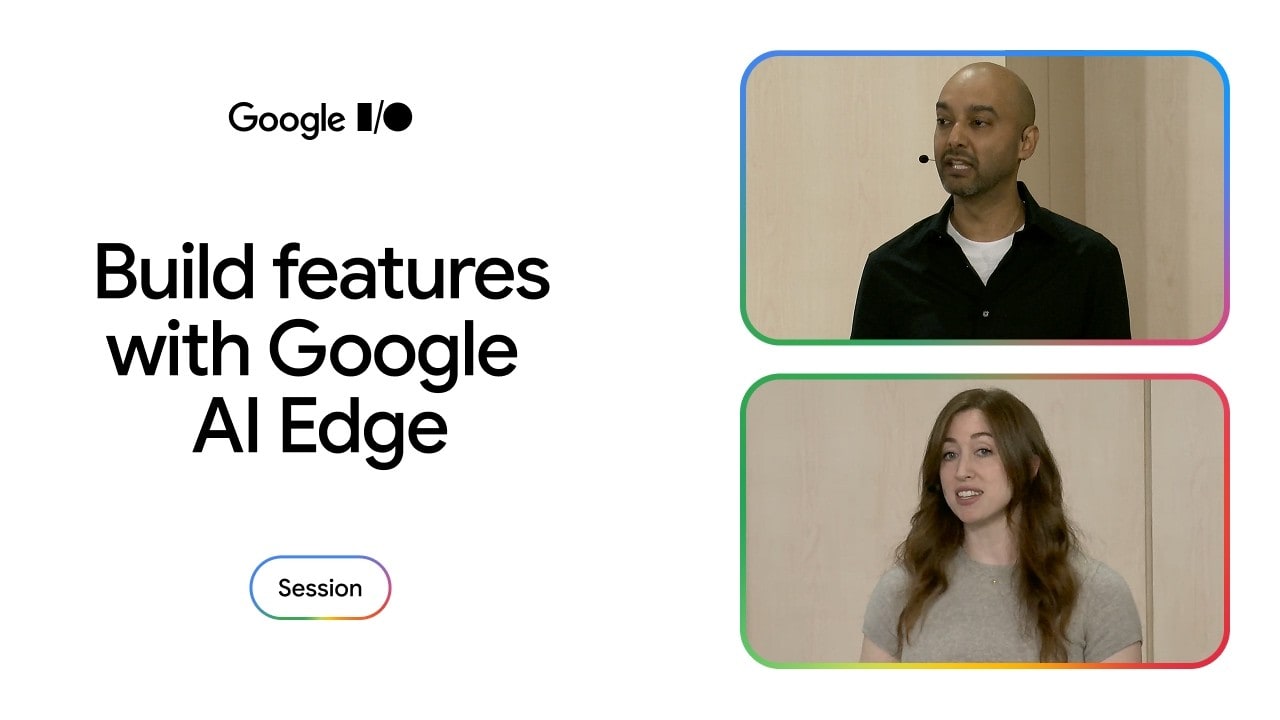
Hardware, quality and speed
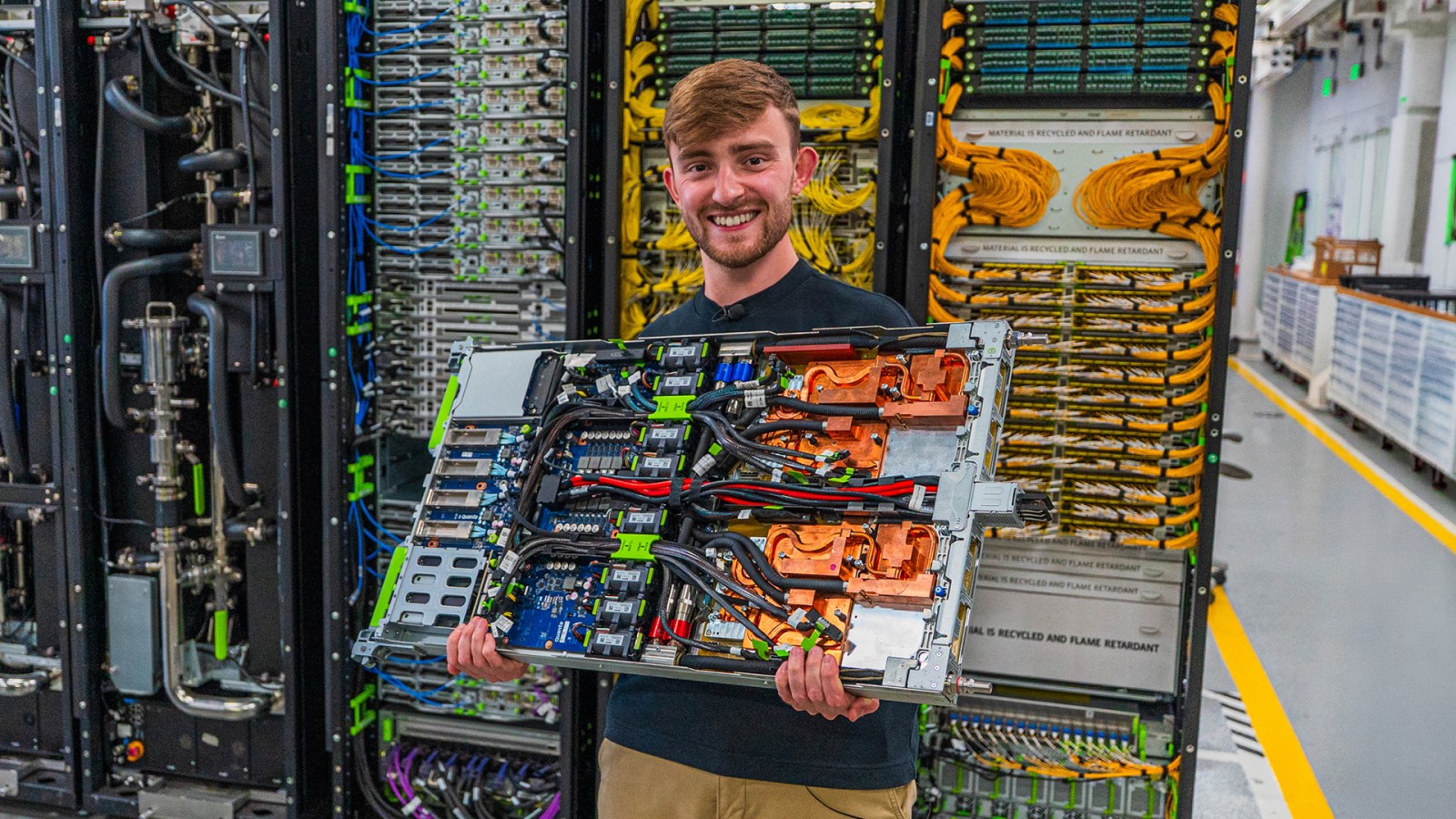
Local AI consumes RAM or VRAM, storage and energy. Larger models and context windows generally demand more resources. The cloud makes huge models accessible from modest hardware, but adds connectivity, possible queues, usage limits and recurring cost.
Local inference can deliver low, consistent latency for smaller jobs. Cloud services usually lead when advanced models and large memory are required. To understand why long conversations become expensive, see our guide to context windows and why chatbots forget.

When to choose local, cloud or hybrid
Choose local to transcribe, classify or summarise private material with a model your hardware can run. Choose cloud when you need the strongest available quality, broad context, connected search or do not want to maintain models. Always check what is sent and whether training use can be disabled.
A hybrid approach covers most cases: sensitive, quick tasks on-device and complex requests on a remote service with clear consent. Neither option automatically fixes hallucinations. Our guide to how ChatGPT works separates model behaviour, execution location and the product around it.
The conversation starts here
Sign in with a supporter account to comment. Sign in

Nobody has commented yet. Want to go first?