Europe clears one of the biggest hurdles in the sale of EA
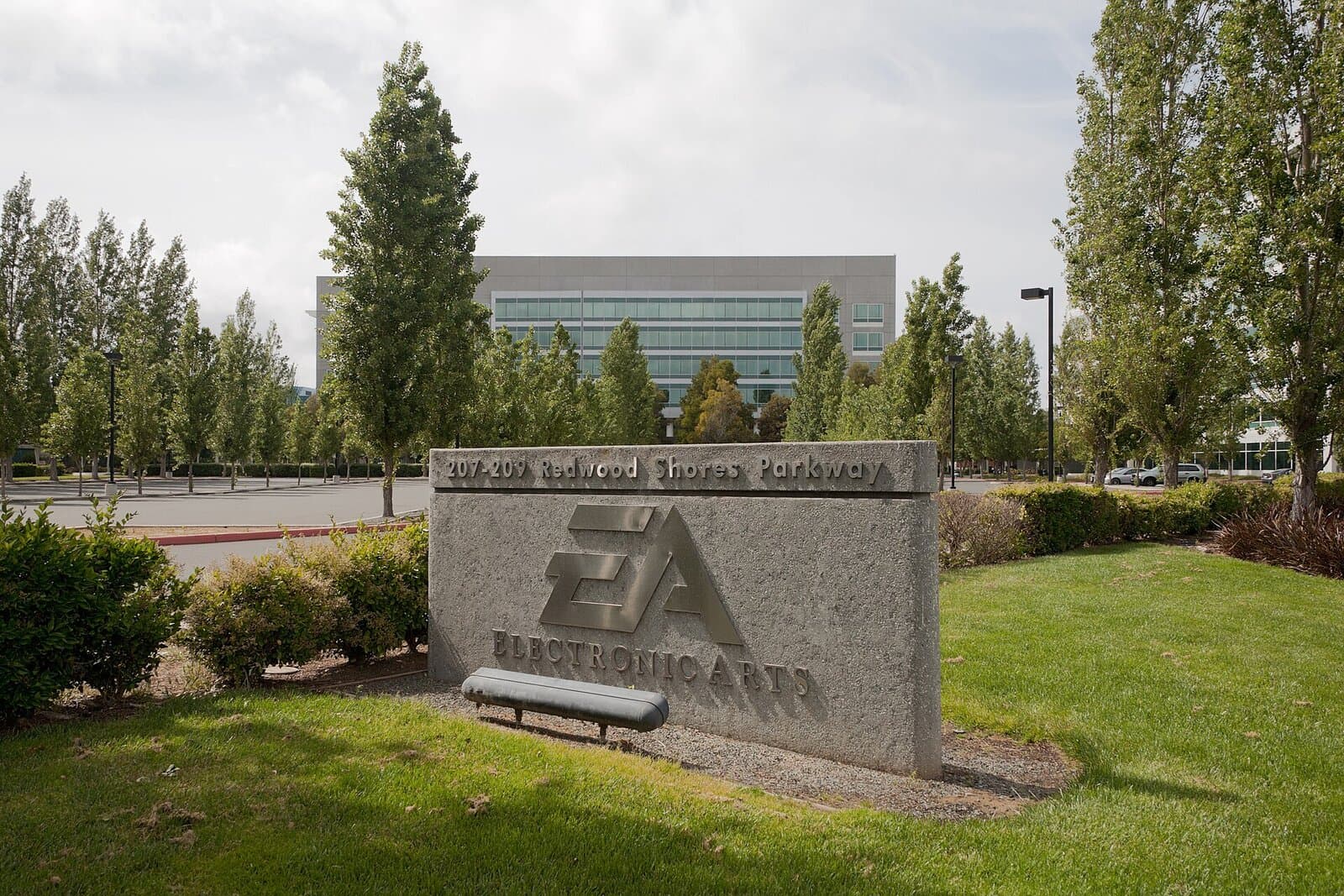
Electronic Arts has spent almost ten months waiting for regulators to review a sale that would put some of gaming's biggest series under new ownership. The European Commission has now cleared the deal under EU merger rules, finding no significant threat to competition in the European market.
The transaction values EA at $55 billion. It is led by Saudi Arabia's Public Investment Fund (PIF), alongside Silver Lake and Affinity Partners, the investment firm founded by Jared Kushner. EA announced the agreement on 29 September 2025, describing it as the largest all-cash sponsor take-private deal on record. Shareholders will receive $210 per share if it closes.
The buyers can proceed without selling assets or accepting additional conditions. For a publisher that owns EA Sports FC, Battlefield, The Sims, Apex Legends, Mass Effect and Need for Speed, this was one of the most important approvals still outstanding.
The deal is not closed: Saudi state backing still faces scrutiny
This decision does not make the consortium the owner of Electronic Arts. The Commission is conducting a separate review under the Foreign Subsidies Regulation, which is designed to identify whether support from a non-EU government gives a buyer an unfair advantage over private rivals.
A decision is due on 30 July. Reuters reported that the consortium expects to secure that approval as well, citing people familiar with the matter. The outcome may be favourable, but this review goes directly to the most sensitive part of the takeover: the role of Saudi state money.
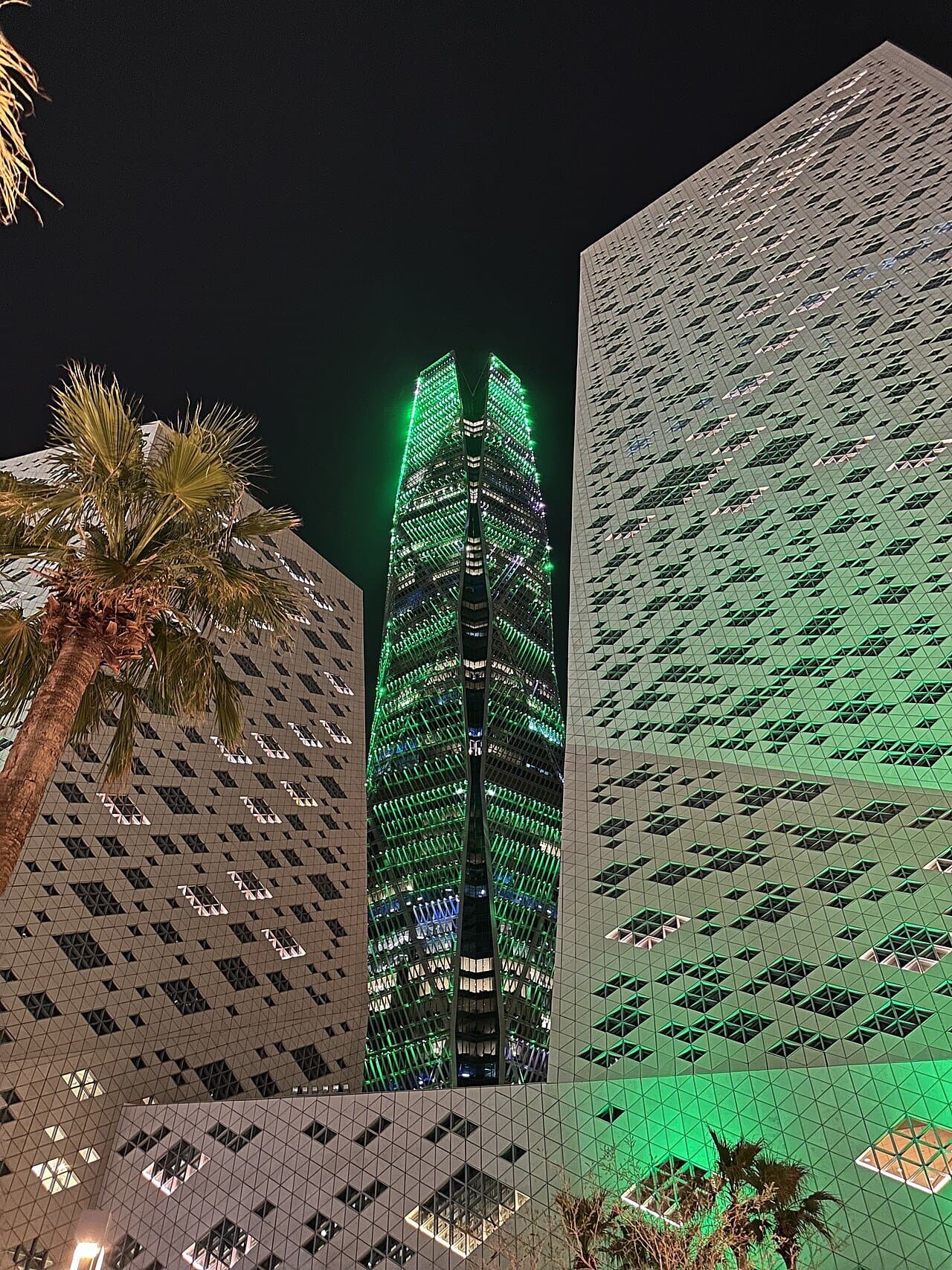
PIF is not a conventional investment fund. It is chaired by Crown Prince Mohammed bin Salman and plays a central role in Saudi Arabia's effort to reduce its dependence on oil. Gaming sits alongside sport and entertainment in a strategy the kingdom has pursued for years.
The debt could shape which games EA chooses to fund
Leaving the stock market could give EA more room to absorb a delay, fund an expensive project or allow a team to spend several years in development. In theory, a privately owned company can take decisions without having to manage the market's reaction every quarter.
The other side of the deal is its $20 billion debt package, although EA said $18 billion was expected to be funded at closing. That does not make cuts inevitable, but it does create pressure to generate cash and repay the financing.
That is the risk players are more likely to recognize. EA already depends heavily on franchises that can earn money for years, including EA Sports FC, Madden, Apex Legends and Battlefield. A debt-heavy takeover could make those predictable businesses even more attractive while placing greater pressure on studios working on uncertain projects.
None of this proves that EA will close teams or cancel games. It is equally premature to assume that private ownership will restore some lost age of creative freedom. The financing will matter when executives decide which projects get five years to develop and which fail to survive the first budget meeting.
Saudi Arabia already invested in games. Controlling EA is a much bigger step
Saudi Arabia has been investing in games for years. Through Savvy Games Group, PIF bought Scopely for $4.9 billion and has held stakes in companies including Nintendo, Capcom and Take-Two. EA would be different: PIF would move from shareholder to leader of the group that owns one of the world's largest publishers.
Electronic Arts brings major sports agreements, established competitions, services with millions of recurring users and franchises woven into decades of popular culture. Its games have a permanent place across consoles, PC, mobile and esports.
Europe has decided that the change of control will not harm competition. On 30 July, we will learn whether it also clears the deal under its foreign-subsidy rules. If it does, the consortium will have passed one of the final regulatory checks before closing.
Players will not see the ownership change overnight in EA Sports FC or Battlefield. Its effects will emerge through quieter decisions: which studios receive more time, which series return, which disappear and how much creative risk the new owner is prepared to accept after spending $55 billion.
The conversation starts here
Sign in with a supporter account to comment. Sign in
Nobody has commented yet. Want to go first?